
Hormuz Tanker Strikes Torch Ceasefire: Oil Prices Surge 5% as U.S. Hammers Iran
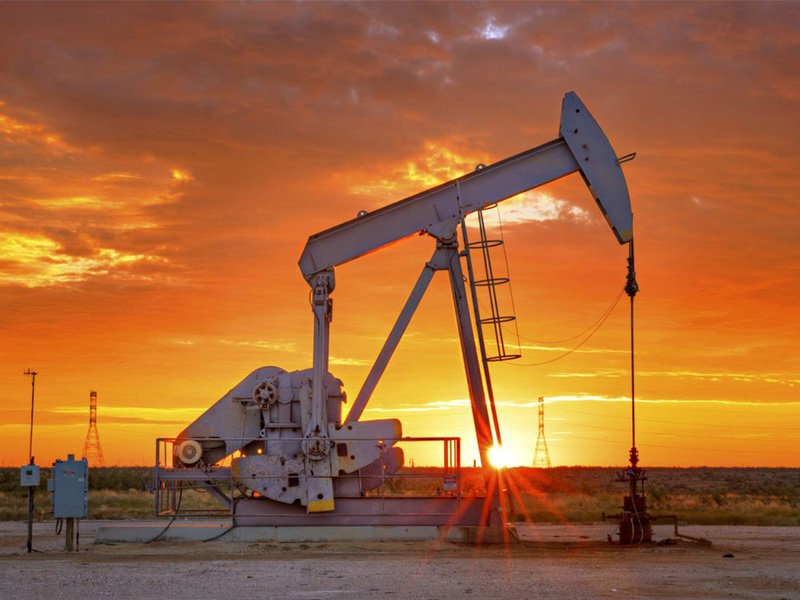
Global oil prices jumped more than 5% to a two-week high on Wednesday after the U.S. launched retaliatory military strikes against Iran and revoked its oil export license, collapsing a fragile ceasefire. Brent crude futures surged 5.76% to $78.43 a barrel, while U.S. West Texas Intermediate climbed 5.55% to $74.35, reversing a multi-week downward trend driven by previous oversupply cushioning. The price spike immediately rattled broader financial markets, triggering fears of renewed inflation. The Dow Jones Industrial Average dropped over 500 points, or roughly 1%, during opening trading hours. The market disruption followed U.S. Central Command airstrikes destroying Iranian maritime assets. The operations targeted Islamic Revolutionary Guard Corps missile sites and attack boats in Bandar Abbas, Sirik, and Qeshm Island. Washington ordered the strikes after projectiles struck three commercial tankers in the Strait of Hormuz waterway. The damaged ships included the Qatari liquefied natural gas tanker Al Rekayyat and the Saudi supertanker Wedyan. Tensions escalated further after President Donald Trump declared the 60-day interim peace memorandum of understanding, signed weeks ago on June 18, officially “over” during a NATO summit in Turkey. In tandem with the military response, the U.S. Treasury’s Office of Foreign Assets Control revoked General License X, halting Tehran’s temporary permission to sell crude oil in U.S. dollars. The government replaced the waiver with General License X1, forcing global market participants to completely wind down existing Iranian oil transactions before a strict deadline of July 17. Iran’s Revolutionary Guards retaliated early Wednesday by targeting U.S. military sites in Bahrain and Kuwait, heightening anxieties over a broader conflict inside the world’s most critical energy chokepoint. The market structure shifted sharply into backwardation, meaning immediate crude prices rose significantly above later-dated barrels. This pricing anomaly typically signals an acute shortage of prompt physical supplies. The geopolitical breakdown threatens global energy flows. The Strait of Hormuz chokepoint handles roughly one-fifth of global oil and liquefied natural gas transit volumes during peacetime operations.
Nigeria: CBN reprices one-year Treasury Bills to 17.7% to mop up system liquidity
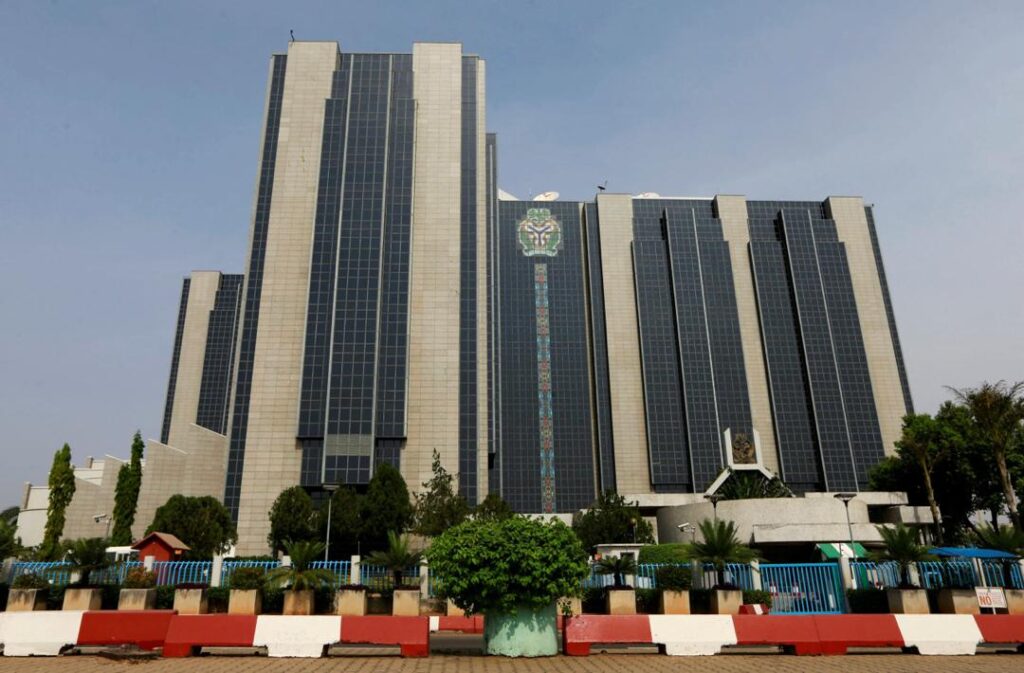
LAGOS – The Central Bank of Nigeria hiked the stop rate for its one-year Treasury Bill to 17.70 percent at Wednesday’s primary market auction, yielding a true mathematical return of 21.51 percent. This aggressive pricing forms part of the apex bank’s intensifying monetary tightening campaign aimed at draining excess cash from the banking system and anchoring stubborn inflationary pressures. Investors responded robustly to the higher yields, pouring a massive N1.86 trillion in total subscriptions into the 364-day paper, significantly outstripping the government’s initial offer size. The single-day subscription surge was driven by N2.21 trillion in maturing Open Market Operation bills that hit the interbank financial system just 24 hours prior to the primary auction. By adjusting the longest-tenor stop rate upward from 17.34 percent, the central bank successfully incentivized institutional investors to lock down volatile capital for a full calendar year. This liquidity management strategy follows a massive N1.9 trillion OMO bill sale on Tuesday, where the central bank cleared short-term stabilization securities at rates as high as 21.90 percent. Market analysts note that the central bank’s aggressive stance gives investors significant leverage, especially given a heavy third-quarter domestic issuance calendar tracking N5.8 trillion against lower maturities.
Ghana Postpones South Africa Bilateral Talks Amid Violent Anti-Migrant Protests
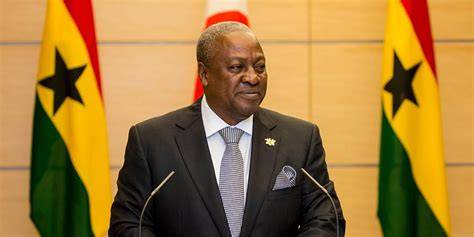
Ghana has indefinitely postponed high-level bilateral meetings with South Africa scheduled for August 2026. The decision follows a severe surge in anti-migrant protests and violent unrest targeting foreign nationals across South African cities. Ghanaian government spokesperson Felix Kwakye Ofosu announced that the ongoing xenophobic tensions would likely overshadow the upcoming agenda. The sessions were supposed to be co-chaired by both nations’ presidents in Accra. “We sent them a communication indicating that it would be best to defer the visit in view of the present climate around xenophobia,” Kwakye Ofosu told the BBC, regarding the scheduled talks. The diplomatic friction intensified following reports from Ghana’s foreign ministry that a Ghanaian citizen was shot dead during anti-immigrant demonstrations in Cape Town on June 30. South African police have contested the motive. Amid escalating safety concerns, Ghana has already repatriated hundreds of its citizens from South Africa over the past few weeks. Viral videos targeting Ghanaian migrants have further inflamed public outrage in West Africa. South Africa has experienced months of continuous protests against undocumented immigrants. Demonstrators blame foreign nationals for taking local jobs and depleting constrained public resources, leading to the looting of foreign-owned shops. South African presidential spokesperson Vincent Magwenya stated that both nations will continue engaging through alternative diplomatic channels. “The two countries will continue to engage through diplomatic channels to identify a mutually convenient date,” he said.
DRC Cobalt Producers Face Export Crisis Amid Customs Administrative Glitch
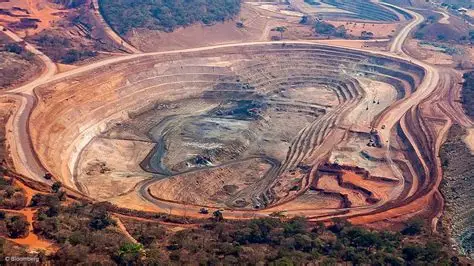
LAGOS – Major cobalt producers in the Democratic Republic of Congo (DRC) risk losing 20,000 metric tons of exports worth $1.1 billion due to a technical breakdown in the state customs platform. The crisis stems from an administrative failure regarding ARECOMS, the strategic minerals regulator. Producers cannot register mandatory export declarations, as the customs platform lacks formal authorization to process shipments since July 1. International companies including Glencore, CMOC, ERG, and Huayou Cobalt face a strict July 5 deadline to utilize their first-half quotas. Any unused volume is scheduled for immediate withdrawal and potential reallocation by regulators. Cobalt is essential for the global energy transition, serving as a critical component in lithium-ion batteries for electric vehicles, smartphones, and renewable energy storage systems. Supply disruptions threaten these massive downstream industries. CMOC has warned that failing to resolve the glitch could wipe out its entire second-quarter export quota. Industry executives are urgently appealing to the Prime Minister for an immediate, one-month deadline extension. This standoff occurs as the DRC enforces a 96,600-metric-ton annual cap to stabilize global prices. Since early 2025, those prices have rebounded by roughly 160%, making supply control a central government priority. The DRC currently provides approximately 70% of the world’s cobalt. Analysts argue that this bottleneck illustrates the fragility of the country’s aggressive supply-management framework when faced with internal bureaucratic inefficiencies. Neither ARECOMS nor the Ministry of Mines has commented on the deadlock. As the July 5 cutoff passes, producers remain unable to move product, threatening both corporate revenue and global market stability
South Africa Deploys 3,000 Troops to Counter Anti-Migrant Protests
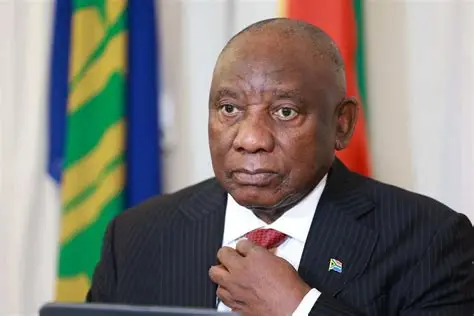
South Africa has deployed over 3,000 soldiers to assist police during nationwide anti-migrant protests. The military presence aims to maintain order following threats from groups vowing to march every week. A letter from President Cyril Ramaphosa on Friday confirmed the deployment of 3,405 members of the South African National Defence Force. The operation began June 28 and carries an estimated cost of 54.6 million rand. Troops are on standby to prevent a repeat of past violence. Demonstrators have demanded all undocumented foreign nationals leave the country by June 30, a date that sparked significant unrest across several cities. Protesters in Johannesburg and other hubs recently marched with clubs and flags. While many demonstrations remained peaceful, some descended into looting and clashes with law enforcement, resulting in more than 900 arrests. Thousands of foreign nationals have since fled their homes or sought repatriation. Embassies from countries like Malawi and Zimbabwe have organized evacuations as fear grows over potential surges in xenophobic violence. The government faces intense pressure regarding high unemployment, which exceeds 40%. Activists claim undocumented migration strains public services, though authorities warn that vigilantism and intimidation will not be tolerated. The deployment marks a significant escalation in the government’s response to rising tensions. Officials are now bracing for recurring protests, aiming to balance the constitutional right to demonstrate with public safety.
Nigeria State Oil Firm Margins Compress to $335m Despite Peak Production
LAGOS – The Nigerian National Petroleum Company Limited (NNPCL) saw monthly revenue contract 12.8% to N4.335 trillion ($3.14 billion) in May 2026, dropping from N4.97 trillion ($3.60 billion) generated during April. According to the state firm’s latest operational report, profit after tax simultaneously declined by 4% to N462 billion, down from N481 billion over the same period. The margin compression occurred despite Nigeria sustaining robust upstream output, with combined crude and condensate production climbing to a 15-month high of 1.7 million barrels per day in May. Global commodity market fluctuations, structural infrastructure challenges, and ongoing domestic downstream product distribution gaps heavily weighed on the national oil company’s monthly bottom-line financial performance. The Nigerian Upstream Petroleum Regulatory Commission (NUPRC) confirmed that while stable operations boosted national output, persistent asset bottlenecks limited the optimization of overall state oil revenues. “The rise in production is attributable to sustained positive momentum as operations remained stable throughout the reporting period, with no significant pipeline or facility outages recorded,” the NUPRC stated.
Ramaphosa Reshuffles Cabinet, Demotes Former DA Leader John Steenhuisen
South African President Cyril Ramaphosa executed a late-night cabinet reshuffle Tuesday, demoting former Democratic Alliance leader John Steenhuisen from agriculture minister to deputy minister of trade, industry, and competition. The shift followed an official request from newly elected DA federal leader Geordin Hill-Lewis, who sought structural changes to the party’s legislative representation within the ruling Government of National Unity. Steenhuisen’s removal from the agriculture portfolio follows mounting pressure over a severe foot-and-mouth disease outbreak. Fellow DA member Willie Aucamp will step in to fill the vacancy. Ramaphosa also utilized the national shake-up to appoint African National Congress senior figure Dina Pule as the new social development minister, filling a vacancy left by the dismissed Sisisi Tolashe. Pule returns to the executive for the first time since 2013, when she was sacked by former President Jacob Zuma following severe parliamentary ethics investigations into financial misconduct. The Presidency confirmed the appointments follow the Constitution, stating the adjustments occurred “following consultation with the leadership of the Democratic Alliance as a member of the Government of National Unity.”
Global LNG Demand to Surge 65% by 2050 Amid Short-Term Middle East Shipping Disruptions
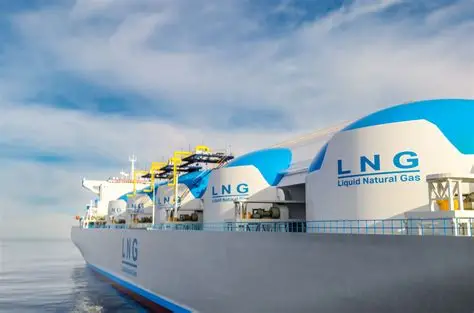
Global demand for Liquefied Natural Gas (LNG) is forecast to rise 65% to nearly 700 million tonnes annually by 2050 as countries transition away from coal, according to Shell’s LNG Outlook 2026. The report, released on Tuesday, notes that long-term environmental targets will drive massive energy transitions despite severe short-term geopolitical volatility currently capping global trade volumes. Meanwhile, Shell said global LNG trade is projected to stall through 2026 because a shipping crisis in the Strait of Hormuz has choked off roughly one-fifth of the world’s monthly supply. Ongoing Middle East hostilities have halted immediate growth, keeping 2026 volumes flat against the 422 million tonnes traded last year, with an expansion trajectory delayed until 2027. The immediate supply shock is being partially minimized by expanding North American liquefaction facilities, stronger plant operations elsewhere, and temporarily slower Asian import requirements. However, African exporters are simultaneously capturing vital global market share, capitalizing on these Middle Eastern supply disruptions to boost the continent’s total LNG shipments by 27% in early 2026. Nigeria has anchored this regional expansion, serving as Africa’s top exporter by ramping up production at its Bonny Island facility alongside advanced construction on the multi-billion dollar Train 7 expansion. Additional regional supply security is being bolstered by emerging Atlantic Basin producers, including Mauritania and Senegal via the Greater Tortue Ahmeyim project, alongside fast-tracked floating LNG operations in the Republic of the Congo. About 180 million tonnes of annual new supply is forecast to enter the market by 2030, improving the availability and affordability of gas and opening up demand in new markets. Market pricing has reflected the strain, with Asian spot LNG prices spiking past $20 per illion British Thermal Units (MMBtu) before long-term contract buffers helped stabilize broader import costs. “The conflict created a system-wide shock with disruption cascading across all segments of the economy, but the LNG industry has proved resilient,” said Cederic Cremers, Shell’s Integrated Gas President. Long-term expansion will be spearheaded by South and Southeast Asia, which are projected to capture 40% of global imports by mid-century to displace higher-emitting coal power. Realizing this growth depends heavily on infrastructure, requiring major investments in regional regasification capacities and an additional 200 million tonnes of annual liquefaction capacity globally.
Nigeria Approves $2.96 Billion, €200 Million, and ₦215 Billion Multi-Sector Economic Stimulus
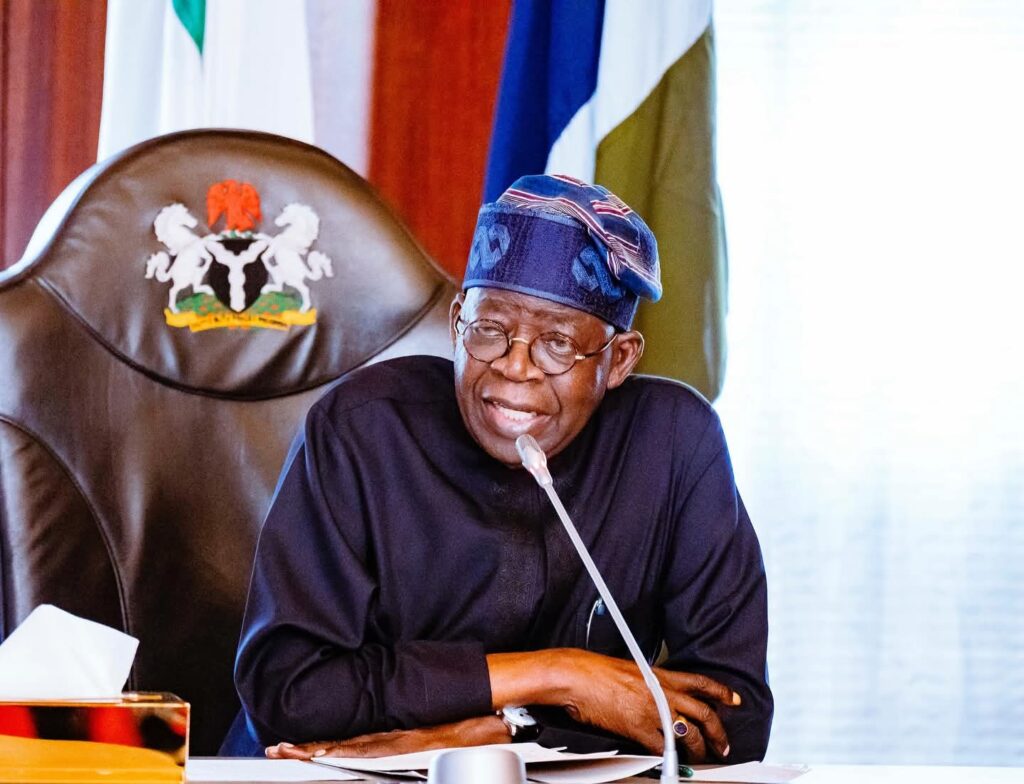
LAGOS – The Federal Executive Council (FEC) approved multi-billion-dollar financing packages totaling roughly $2.96 billion, €200 million, and ₦215 billion to stimulate critical sectors, including infrastructure, transportation, and small business credit. Minister of Finance and Coordinating Minister of the Economy, Taiwo Oyedele, announced the funding after Monday’s executive council meeting, which was presided over by President Bola Tinubu in Abuja. Culled from 14 finance ministry memoranda, the funding targets five strategic pillars designed to boost domestic productivity, expand the national logistics network, and directly address rising local cost-of-living pressures. The ₦215 billion package fully funds the Presidential Compressed Natural Gas initiative, driving down mass transit costs via local vehicle conversions, electric vehicles, and new gas-powered buses. Large-scale infrastructure upgrades secured a $1.2 billion facility dedicated entirely to construction on Section Two of the Sokoto-Badagry Super Highway, a corridor spanning 11 states. Agricultural interventions received a $900 million boost to finance Special Agro-Industrial Processing Zones, vocational training, and food value-chain projects to strengthen national food security. To ease macroeconomic pressures on small businesses, the council channeled $500 million and €200 million through the Development Bank of Nigeria to provide affordable credit access. Additionally, a $160 million energy facility, supported by the Islamic Development Bank, will expand clean, rural solar grids across underserved communities in Niger State. This massive injection follows recent 2026 fiscal interventions, including a multi-billion-dollar urban rail project approval, aimed at modernizing regional transport hubs in Lagos, Kano, and Kaduna. The administration also extended major tax suspensions on petroleum products, keeping domestic import duties, value-added tax, and local energy surcharges on hold to stabilize regional pump prices. “For Council, we made very strategic decisions, which I have decided to categorize under five headings,” Minister Oyedele stated, emphasizes that supporting microenterprises helps grow the entire country.
Over 15,000 Migrants Repatriated Ahead of South Africa’s June 30 Deadline

More than 15,100 foreign nationals have been processed for repatriation and deportation from South Africa this week. Governments across Africa are scrambling to evacuate their citizens ahead of tense anti-immigration protests. Citizen-led activist coalitions issued a strict June 30 ultimatum demanding that undocumented foreigners leave the country. This triggered a massive humanitarian exodus and localized panic across major metropolitan hubs, including Durban and Cape Town. Fearing a repeat of historical xenophobic violence, countries like Malawi, Zimbabwe, Uganda, Ghana, and Nigeria launched emergency voluntary repatriation programs. Thousands of families packed into makeshift open-field camps and diplomatic consulates awaiting transport. South Africa Border Management Authority (BMA) Commissioner Dr Michael Masiapato noted that about 9,000 Malawian nationals and 3,000 Zimbabwean nationals had been processed through Beitbridge Border Post. At the same time, a further 900 Ghanaians and 300 Nigerians were repatriated through or Tambo International Airport. Meanwhile, Uganda foreign affairs ministry said on Sunday that one of its citizen has been killed and 746 Ugandans have voluntarily registered to be evacuated and its expecting more to register; noting that many have already left south Africa on their own following the June 30 deadline. The South African government has deployed thousands of police officers and integrated a 35,000-strong private security force. Officials have formally declared Tuesday a normal working day, vowing to arrest any violent vigilantes. Amid the exodus, South Africa’s Inter-Ministerial Committee on Migration confirmed that 164 people have already been arrested for public order offenses and incitement to violence as regional tensions continue to spike. “Enforcement of the law is the responsibility of the State,” said Minister of Justice Mmamoloko Kubayi. “We are ready as a State to protect every person, citizens and foreign nationals, against abuse.” Earlier in June, South African President Cyril Ramaphosa warned its citizens against blaming migrants for the country’s economic crisis, insisting that foreign nationals must not become scapegoats for domestic structural failures.