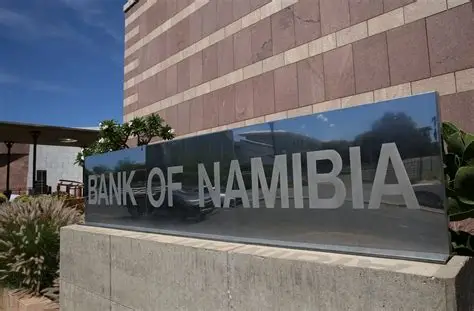
The Bank of Namibia raised its benchmark repo rate by 25 basis points to 7.00%, reaching its highest borrowing level since January 2025. The move follows a brief monetary policy pause in August.
According to an official statement by central bank Governor Ebson Uanguta on Wednesday, the decision aims to contain second-round effects from rising fuel costs and protect the domestic currency’s one-to-one parity with the South African rand.
Domestic price pressures accelerated significantly ahead of the decision, with headline inflation rising to 5.4% year-on-year in September. The reading represents the country’s highest inflation print since early 2024, driven largely by transport and energy costs.
Following the monetary tightening, commercial banks will raise their prime lending rate from 10.25% to 10.50%. The higher borrowing costs are expected to tighten domestic liquidity and moderate private sector credit extension, which recently expanded by 5.4%.
The policy shift comes amid external economic headwinds, as global crude oil price volatility expands the national import bill and wider trade deficit. Additionally, policymakers have revised Namibia’s 2026 economic growth forecast down to 2.1% from 2.6% due to weakness in mining and manufacturing.
The central bank emphasized that maintaining an adequate interest rate differential with South Africa remains vital. Aligning policy rates prevents capital outflows to rand-denominated assets while protecting foreign reserves, which currently stand at N$58.5 billion.