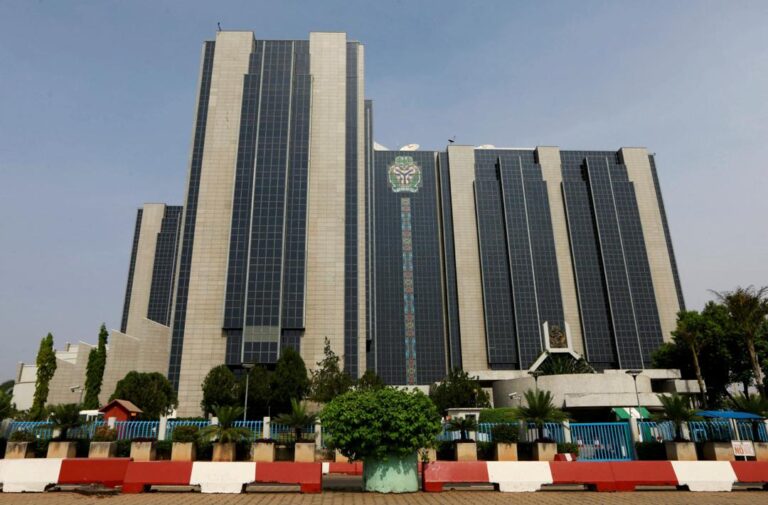

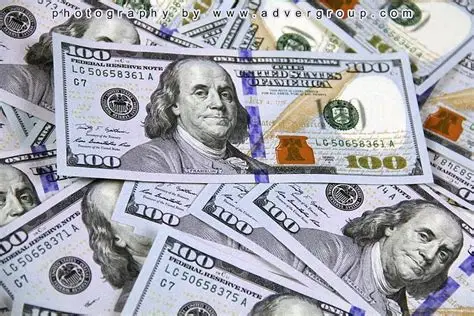
Nigeria drew $6.03 billion in portfolio investment in the first quarter (Q1) of 2026, the Central Bank of Nigeria said in its Q1 economic report, up 14.4% from $5.27 billion in the previous quarter.
That inflow dominated the financial account. Portfolio capital accounted for about 83.5% of the $7.22 billion in gross financial liabilities incurred in the period. The composition matters more than the headline. The money is liquid, short-duration and concentrated in tradable securities. It is not arriving as factories, power plants or other long-term productive assets.
Paper, not plant
Portfolio investment liabilities rose 14.08% to $58.01 billion, the fastest-growing component of Nigeria’s international financial liabilities. The auction calendar showed why. Subscriptions for CBN OMO bills reached N35.62 trillion against N9 trillion offered. Nigerian Treasury Bills drew N24.93 trillion in bids against a N7.97 trillion offer.
Direct investment did not follow. FDI liabilities stood at $1.03 billion, down 7.09% from the previous quarter. Portfolio inflows were nearly six times as large. Other investment liabilities were $220 million.
A thicker reserve buffer
The rest of the external accounts were stronger. Total foreign-exchange inflows rose 13.26% to $31.34 billion. Outflows fell 11.78% to $11.01 billion, leaving a net inflow of $20.33 billion. Autonomous sources — flows outside the CBN’s own windows — brought in $21.15 billion, up 23.9% quarter on quarter. Gross reserves rose to $48.35 billion by the end of March, or 8.84 months of import cover.
The catalyst
Investors were not guessing. Since September 2023 the CBN under Governor Olayemi Cardoso has made Nigerian paper easier to hold: a single willing-buyer, willing-seller FX market, a cleared backlog of more than $7 billion, electronic matching on the interbank window, and a much narrower official–parallel spread.
The bank also stepped back from financing the government and kept money tight — a policy rate that peaked at 27.5% before a one-step cut to 26.5%, a 45% cash reserve ratio on deposit-money banks, and heavy use of open-market operations to drain naira.
That mix, plus still-high local yields, is what offshore accounts have been buying. It is not the whole story. Oil-related receipts, remittances and a broader bid for emerging-market carry all sit in the same trade. The CBN made the naira readable again. It did not conjure the $6.03 billion on its own.
Recapitalisation, due by 31 March 2026, brought in about N4.65 trillion and put 33 banks over the new capital lines. After the quarter closed, reserves kept rising from $48.35 billion at end-March to more than $54 billion by mid-September. The later build helps explain why the bid for Nigerian paper did not fade with Q1.
What the quarter does not prove
Q1 showed that investors will buy Nigerian paper when the FX market looks less arbitrary and the yield pays for the risk. That is a vote for the current monetary stance. It is also a stock of liabilities that can reprice in weeks if global rates move or the naira’s stability looks less assured.
The same tools that pulled the money in now shape what happens next. OMO and T-bills are how the CBN mops up the naira that accompanies those inflows; sterilising hot money is not free. A 45% cash reserve ratio and still-rich government paper give recapitalised banks a reason to sit in securities rather than fund plants. The unfinished test is not whether portfolio money can enter. It is whether the system built to attract it can live with a smaller bid — and still get credit to the real economy.