
The Democratic Republic of Congo’s Ebola death toll has crossed the 4,000-fatality threshold, cementing this as the deadliest epidemic in the nation’s history.
Government data released Friday by health authorities confirms over 8,300 confirmed cases, far outpacing the devastation of the 2018–2020 crisis.
The outbreak spans seven provinces, with eastern commercial and agricultural hubs like Ituri and North Kivu bearing the brunt of transmission pressures.
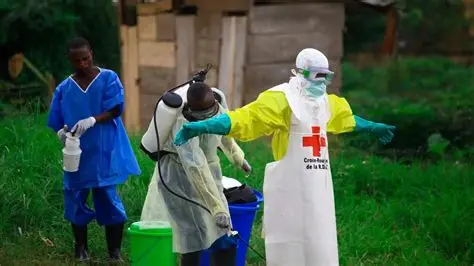
Containment efforts face severe headwinds. Persistent regional insecurity and logistical hurdles continue to disrupt medical supply chains, cold-chain transport, and vaccine deployments.
Localized community mistrust further hampers response teams attempting contact tracing and clinical interventions.
Despite these challenges, over 2,000 patients have successfully recovered, and international agencies are ramping up immunization drives.
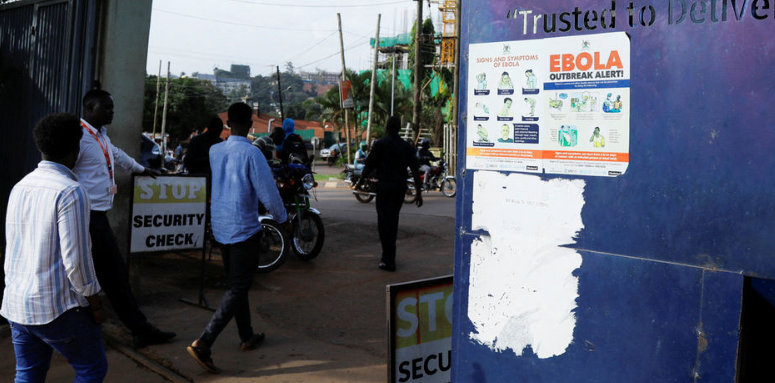
The public health emergency collides with broader economic strains. Stretched national healthcare budgets and localized border precautions threaten regional trade corridors and labor mobility.
Global financial partners and development banks are urging accelerated emergency funding to stabilize health infrastructure and safeguard West and Central African commerce.