
Ethiopia closed its embassy in Asmara and expelled 10 Eritrean diplomats on Thursday, prompting Asmara to sever all ties. Addis Ababa also ordered an Egyptian diplomat out within 48 hours. The rupture lands as fighting returns to the north and Ethiopia’s trade recovery still depends on a single foreign port.
The African Union Commission said it was following the tensions “with concern” and urged maximum restraint and dialogue.
However, the same day overnight blasts in Addis Ababa added to fears the northern conflict could spread. Egypt later declared an Ethiopian diplomat persona non grata, state-linked media said.
Ethiopia accused Eritrea of “direct and indirect acts of hostility” and said the diplomats, including staff accredited to the AU, threatened national security. Eritrea’s foreign ministry called the charges “astounding” and said Addis Ababa had pursued sea access “through the invasion of sovereign Eritrean ports.” Both sides deny supporting the other’s adversaries.
The commercial exposure is concentrated. Ethiopia moved 17.57 million tonnes of external cargo in fiscal 2025/26, and Djibouti handled 96.71% of seaborne freight, the Transport Ministry said. Imports were 15.93 million tonnes; exports 1.64 million. Fuel alone was 4.23 million tonnes.
Berbera took 2.74%, Tadjourah 1.23% and the Mombasa–Moyale corridor 0.56%. Road haulage carried about 80% of freight. Djibouti’s ports authority has said pure port revenue is about $400 million, not the $1.4 billion figure often cited, which mixes in inland trucking.
That corridor now sits near the fighting. Tigrayan forces seized airports at Mekelle, Axum and Shire on 23 September and advanced into Afar and Amhara, federal officials reported. Seven armed groups had formed an anti-government alliance three days earlier. A break on the Afar stretch would hit fuel, fertiliser and factory inputs at once.
Power is the other exposed asset. Ethiopian Electric Power generated 35,671 GWh in the year to July, with the Grand Ethiopian Renaissance Dam supplying 51.5%, a consortium citing EEP data said. The 5,150 MW plant, inaugurated on 9 September 2025, also underpinned about 2,500 GWh of exports to Kenya, Djibouti and Sudan.
Cairo still treats the dam as a water-security threat. Ethiopia’s water minister said this week a national committee had logged more than 22 projects, including GERD, that it claims Egypt obstructed. Addis Ababa has separately accused Egypt, Eritrea and Sudan of backing northern rebels. All three deny it.
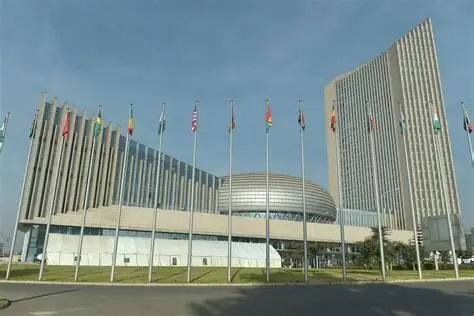
The AU, headquartered in Addis Ababa, offered to support de-escalation only “in consultation with the countries concerned.” It did not address the expulsion of diplomats accredited to the Union itself. For shippers and power buyers, the open question is whether the Djibouti road and railway stay open.