
Zimbabwe’s annual inflation rate cooled to 2.9% in August 2026, marking a second consecutive monthly decline driven by sustained foreign exchange stability, official figures showed.
According to data released by the Zimbabwe National Statistics Agency (ZimStat) on Wednesday, monthly consumer prices edged up by 0.1%, matching July’s pace, while annual inflation slowed from 3.2%.
The continuous easing highlights a stabilizing macroeconomic environment following years of severe currency volatility, supported by tight monetary and fiscal interventions implemented by monetary authorities.
“Zimbabwe has reached a 50.1 percent weighted progress score on the conditions required to transition from the multicurrency to a mono-currency regime,” said Reserve Bank of Zimbabwe Governor John Mushayavanhu.
He noted, however, that the benchmark score does not signify an immediate, abrupt phase-out of foreign currencies co-circulating within the domestic market.
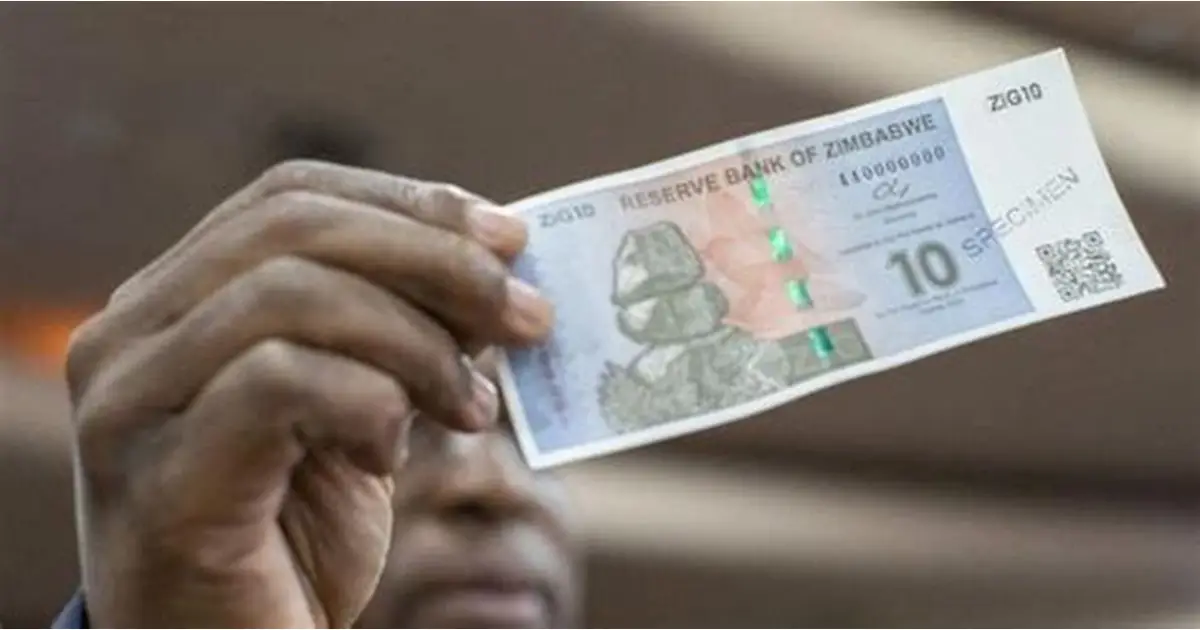
The August drop extends an eight-month streak of single-digit annual inflation since January 2026, pushing the local ZiG currency inflation rate to historic post-independence lows.
US dollar-denominated monthly inflation fell to 0.0% in August from 0.3% in July, while the annual US dollar inflation benchmark remained unchanged at 3.1%.
The central bank projects annual ZiG inflation to average around 5% by year-end, provided monthly price movements remain safely below the 1% threshold.
Maintaining single-digit inflation for 24 consecutive months remains a core requirement before Zimbabwe fully transitions away from its current multi-currency framework.