By: ThinkBusiness Africa
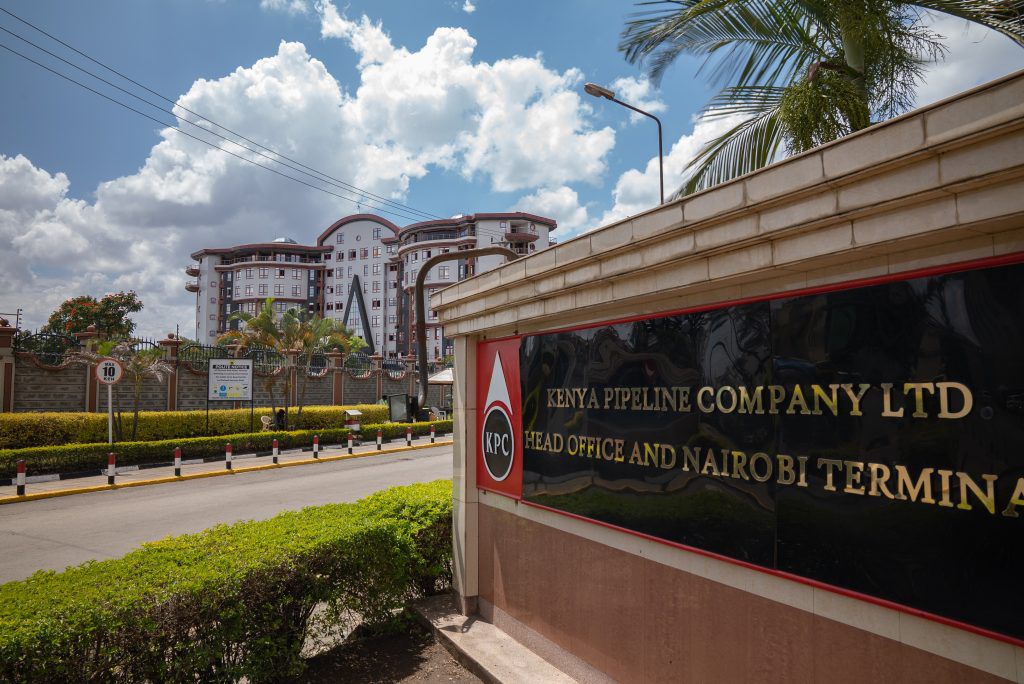
The Kenyan government officially launched the sale of a 65% stake in the state-owned Kenya Pipeline Company (KPC) on Monday, marking the largest initial public offering (IPO) in East African history. The landmark move seeks to raise 106.3 billion shillings ($825 million), signaling a major shift in President William Ruto’s economic strategy to privatize state assets and revive the nation’s capital markets.
The offering, priced at 9.00 shillings per share, will run until February 19, 2026. If successful, the listing on the Nairobi Securities Exchange (NSE) on March 9 will shatter the previous record held by the 2008 Safaricom IPO, which raised 50 billion shillings.
Investors can apply for shares via a digital portal or mobile money platforms, with a minimum investment of just 100 shares (900 shillings).
“We have made this process accessible to every Kenyan,” President Ruto stated during the launch ceremony at the NSE. “For as little as 900 shillings, a citizen can own a piece of our nation’s strategic infrastructure and share in its profits.”
To balance local ownership with regional integration and institutional stability, the 11.8 billion shares have been categorized into six distinct pools:
- Local Retail Investors: 20%
- Local Institutional Investors: 20%
- Regional (EAC) Investors: 20%
- International Investors: 20%
- Oil Marketing Companies: 15%
- KPC Employees: 5%
The high allocation for East African Community (EAC) investors reflects the strategic importance of KPC, which manages a 1,342 km pipeline network supplying fuel to Uganda, Rwanda, Burundi, and the Democratic Republic of Congo.
The launch of the Kenya Pipeline Company (KPC) IPO is more than just a capital markets event; it is a critical component of Kenya’s ongoing negotiations with the International Monetary Fund (IMF). As the government seeks a new $3.6 billion funding program following the expiration of its previous arrangement, the KPC sale serves as a high-stakes demonstration of “fiscal consolidation.”
Privatization is a key condition for Kenya to maintain access to concessional lending. By offloading a 65% stake in a profitable asset like KPC, the government is fulfilling IMF-backed structural reforms aimed at reducing the state’s footprint in the economy.
The proceeds are earmarked for the 2025/26 national budget, with the Treasury planning to funnel the funds into: funding for road construction and port modernization; and reducing the government’s reliance on external borrowing as debt servicing costs consume nearly 70% of revenue.
However, the path to the IPO has not been without friction. Earlier this month, activist and Busia Senator Okiya Omtatah filed a constitutional petition to block the sale, citing concerns over national security and energy sovereignty. While the court has yet to issue an injunction, the legal challenge remains a shadow over the month-long subscription period.
The government remains the majority shareholder with a 35% stake, ensuring it retains a seat at the table of what remains one of Kenya’s most profitable enterprises—reporting a profit before tax of 10 billion shillings in the 2024/2025 fiscal year.