
Kenya’s annual headline inflation rate climbed slightly to 6.5% in July from 6.4% in June, as energy, transport, and food costs continued to fuel price pressures across the country.
Data released Friday by the Kenya National Bureau of Statistics (KNBS) showed consumer prices exceeded the Central Bank of Kenya’s 5.0% target midpoint for the third consecutive month.
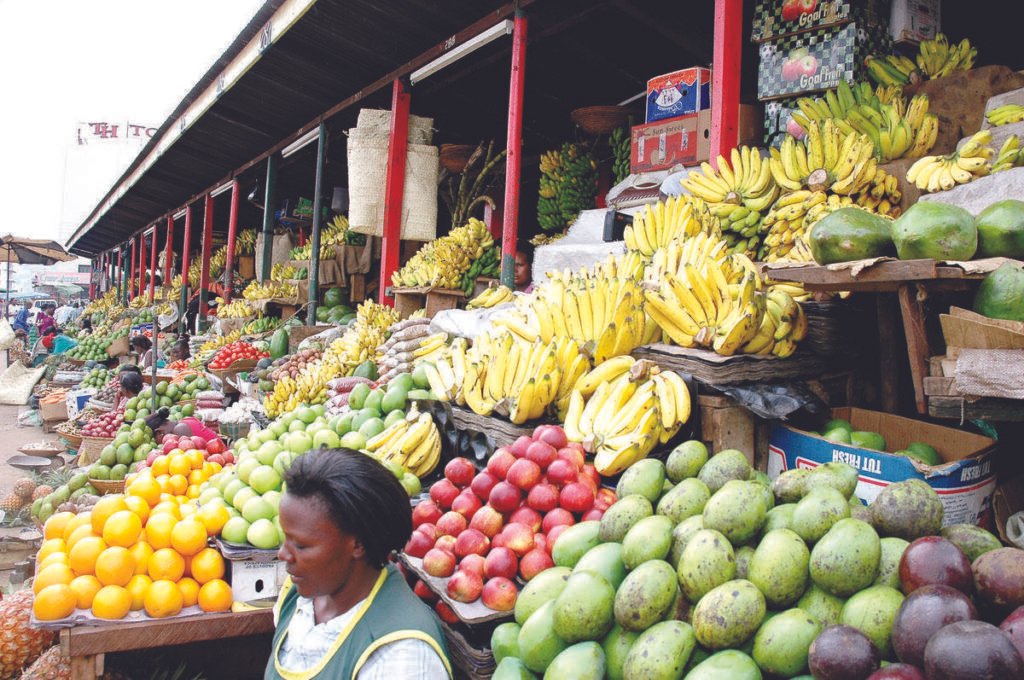
Transport prices remained the primary inflation driver, rising 15.6% year-on-year due to lagged effects from earlier fuel price adjustments, while food and non-alcoholic beverage prices climbed 9.0%.
The housing, water, electricity, gas, and other fuels category also rose 3.4% over the twelve-month period, reflecting elevated utility charges and sustained energy cost pressures on household budgets.
Core inflation, which excludes volatile food and energy items, edged upward to 3.2% from 3.1% in June, indicating broader price increases across non-volatile consumer categories.
July’s figures leave headline inflation comfortably within the central bank’s broader target band of 2.5% to 7.5%, though remaining consistently above the preferred 5.0% midpoint.
The acceleration follows a brief moderation in June and comes after the Central Bank of Kenya kept its benchmark lending rate unchanged at 8.75% for a second consecutive policy meeting.
Policymakers maintain a cautious stance to balance economic growth with price stability, as the Monetary Policy Committee prepares to review interest rates again in August amid global fuel market volatility.