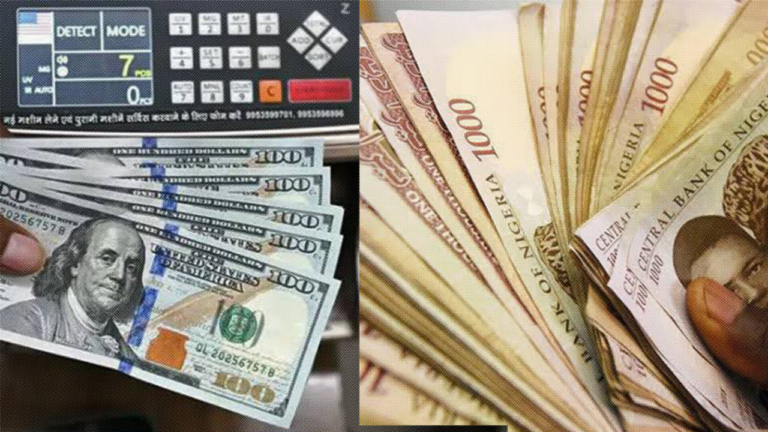

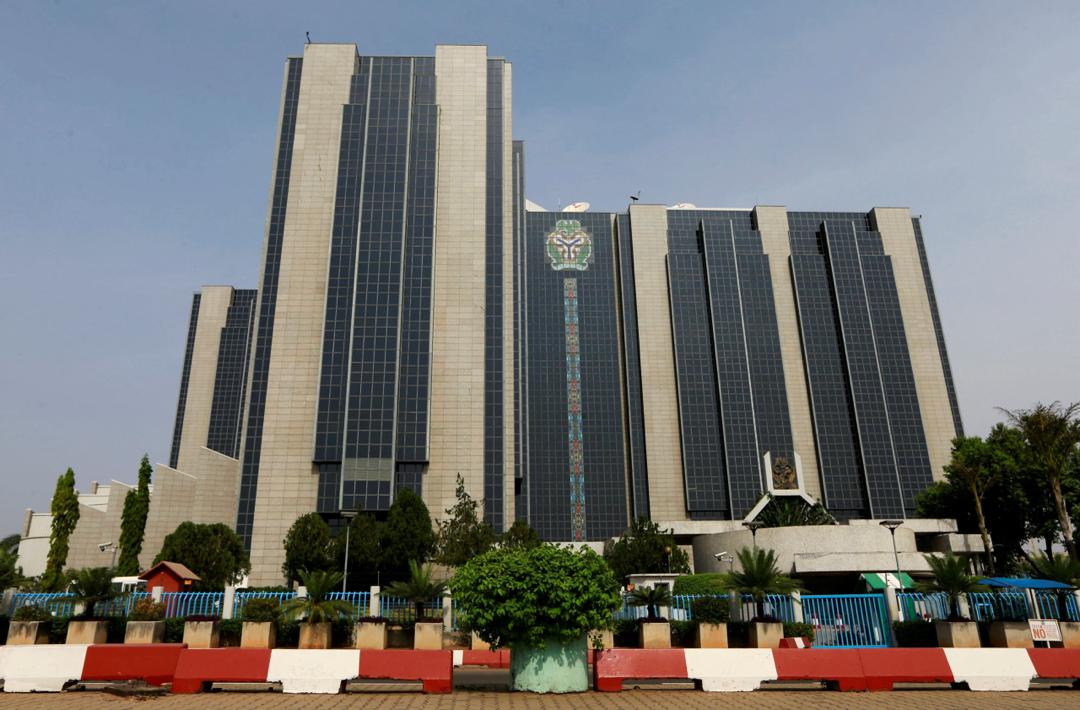
LAGOS – Nigeria’s gross external reserves increased by more than $1 billion in the first half of June 2026, extending previous macroeconomic gains and significantly strengthening the country’s foreign exchange buffers.
Data from the Central Bank of Nigeria (CBN) showed that the reserves rose from $49.80 billion on June 1 to $50.81 billion by June 15, representing a two-week surge of $1.01 billion.
The recent spike follows a strong recovery cycle. The reserves previously peaked at a 13-year high of $50.45 billion in February before a marginal, temporary moderation to $49.49 billion in mid-May.
This financial accumulation bolsters Nigeria’s import cover well beyond the international standard of 4.3 months, giving the apex bank more leverage to defend the local currency and stabilize volatile foreign exchange markets.
The reserve growth is propelled by rising diaspora remittance inflows through licensed operators, sustained non-oil export receipts, and the phased implementation of the strategic Nigeria Tax Act to boost autonomous state revenue.
Furthermore, heightened local refining capacity has structurally minimized foreign exchange demand for petroleum imports, allowing the monetary authority to retain more liquid dollars within the state’s sovereign balance sheet.
The steady accumulation positions the apex bank within arm’s reach of its official year-end macroeconomic target of $51.04 billion, defying more conservative year-end projections from international rating agencies.
The International Monetary Fund recently acknowledged Nigeria’s aggressive fiscal reforms, noting that structural policy adjustments have successfully built economic resilience and dramatically improved overall external outcomes despite lingering global uncertainties.