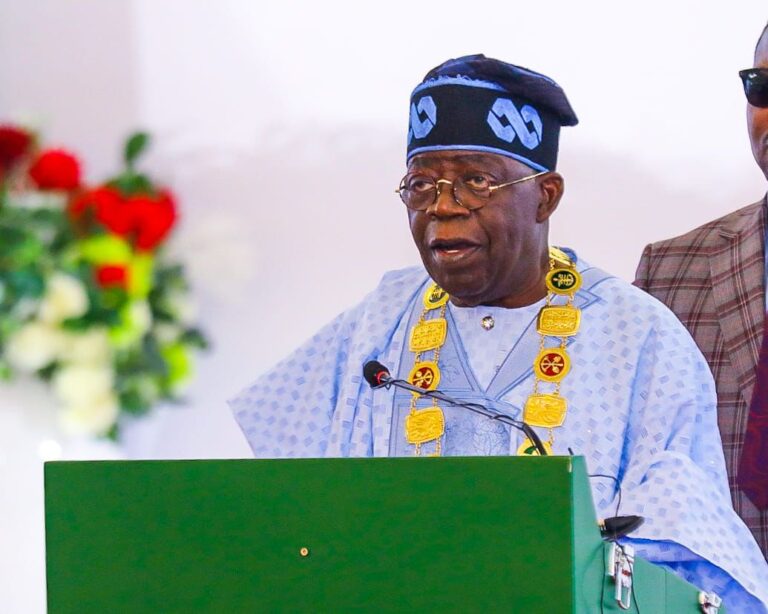

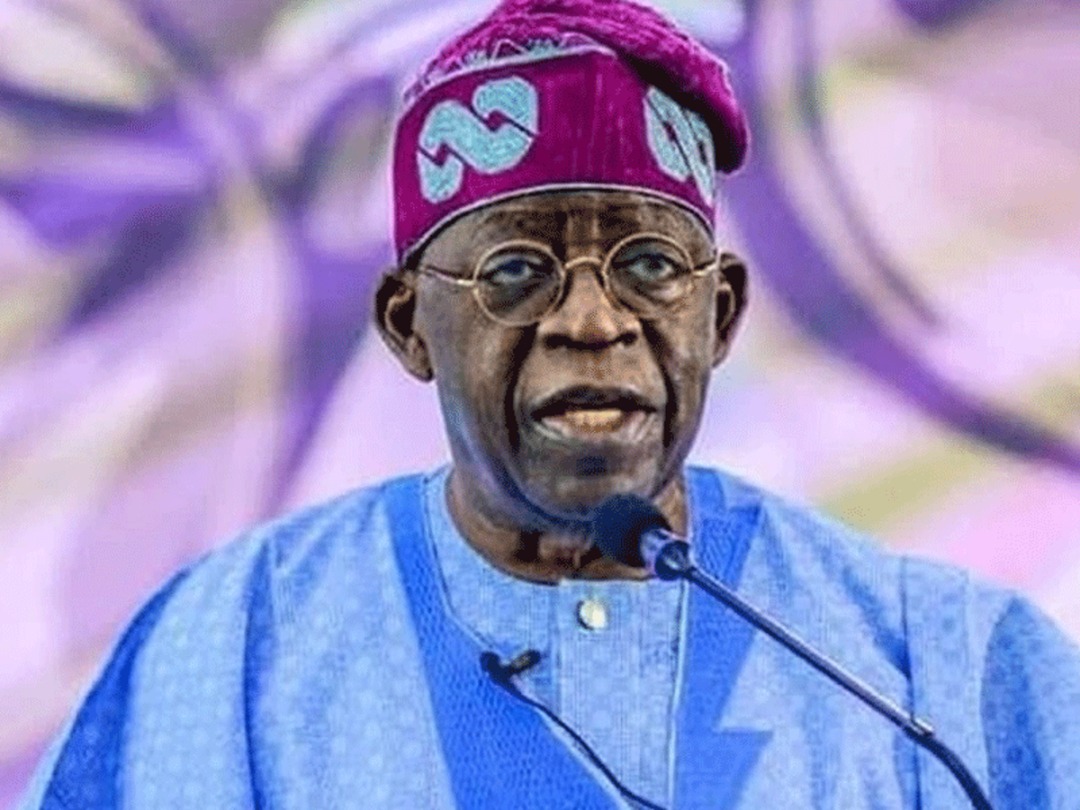
President Bola Tinubu has asked Nigeria’s parliament to cut the 2026 federal budget by N3.15 trillion ($2.3 billion), reducing total planned expenditure from N68.32 trillion to N65.18 trillion ($48 billion).
According to a presidential letter transmitted to the National Assembly on Tuesday, the revised Appropriation Repeal and Re-enactment Bill retains the country’s fiscal deficit at N31.46 trillion, or 5.64% of gross domestic product.
Projected federal revenue stands at N33.72 trillion, including remittances from government-owned enterprises, while aggregate capital expenditure drops to N26.23 trillion.
Despite the 4.6% spending reduction, planned new borrowing remains unchanged at N29.22 trillion. This comprises N18.43 trillion in domestic debt and N10.79 trillion from external lenders.
Tinubu said the fiscal adjustments realign spending with available resources, regularize operational costs incurred by state oil firm NNPC Limited, and settle underprovided debt-service obligations.
The overhaul reverses roughly a third of the N9.85 trillion upward review lawmakers approved in April, which had lifted the original December 2025 proposal from N58.47 trillion to N68.32 trillion.
The fiscal recalibration coincides with tightening monetary policy, as the Central Bank of Nigeria held its benchmark interest rate at 23% this week while warning against excessive pre-election liquidity.
Meanwhile, the Senate simultaneously approved a $7.7 billion foreign borrowing component within the existing external debt envelope.
Lawmakers face a compressed legislative calendar, with the 2027-2029 Medium-Term Expenditure Framework still pending and Finance Minister Taiwo Oyedele expected to present the 2027 budget next month.
Nigeria’s national elections are scheduled for January 16, 2027, heightening scrutiny over capital project execution and public debt sustainability.