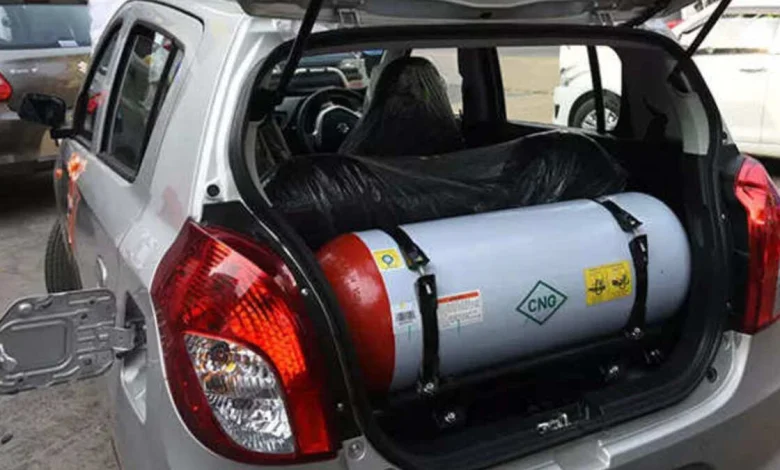
Nigeria is attempting to turn its large natural gas reserves into a practical alternative to petrol for transport. Three years after the removal of the fuel subsidy, the Presidential Initiative on Compressed Natural Gas and Electric Vehicles (Pi-CNG & EV) has become the primary mechanism for that effort.
The results so far are measurable: more than 140,000 vehicles converted, roughly 106 operational CNG stations (with another 170 in development or awaiting licences), and private investment commitments of about $2.5–2.6 billion.
CNG currently sells for around N380 per standard cubic metre for cars and light commercial vehicles, against petrol prices that have recently ranged from roughly N1,325 to over N1,400 per litre. Because one standard cubic metre of CNG delivers roughly the same distance as a litre of petrol, the cost difference is substantial when the fuel is available.
That difference is already visible to operators who have made the switch. In Lagos, drivers report filling large cylinders for a few thousand naira and completing journeys that would cost several times more on petrol.
One company operator running deliveries across the city and occasionally farther afield told ThinkBusiness Africa that a multi-stop run costs him about N36,000 on CNG versus more than N100,000 on petrol. Meanwhile, he spent N1.2 million to convert his vehicle from petrol to CNG. “Economically it is good enough,” he said. “The only shortage is if they can get more stations.” A commercial driver using a 65 kg cylinder said he fills it for under N6,000. Another noted that beyond the money saved, CNG is cleaner on the engine: “It preserve the engine.”
The constraint is access. Station numbers remain modest relative to the growing fleet of converted vehicles, and the existing network is still concentrated in Lagos, the Federal Capital Territory, and parts of the South-West and North-Central regions.
Coverage elsewhere is thin. The practical consequence is multi-hour queues and, at some stations, incomplete fills caused by low pressure. Drivers in Lagos describe spending two to four hours waiting, sometimes having to queue again the same day when the gas does not last. “Sometimes we use like two hours, four hours just to fill gas,” one commercial driver said to ThinkBusiness Africa. “And when you even buy the gas ….. Because of low pressure it finish quick, so you come back and queue again.”
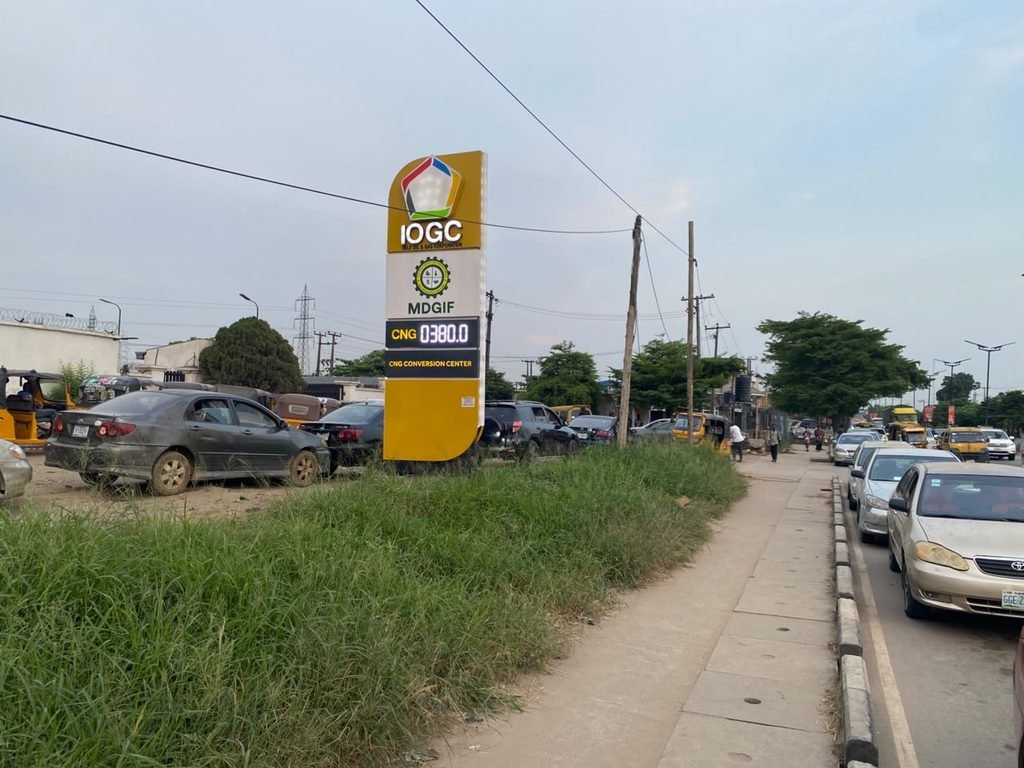
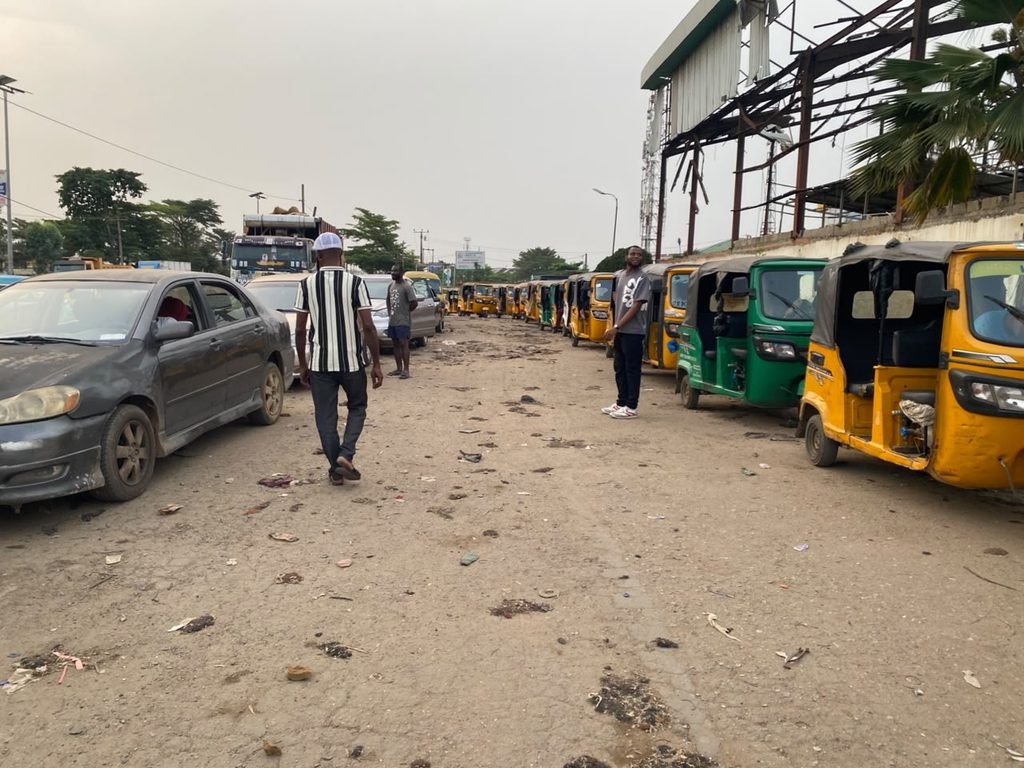
For commercial operators, the lost time reduces the net gain. One driver said he does not lower what he charges passengers simply because his fuel is cheaper, because the hours spent waiting mean he completes fewer trips than a petrol driver.
Pi-CNG officials have acknowledged that the programme has moved beyond the experimental stage and that further expansion is required. Presidential directives for additional hundreds of stations have been cited, with some facilities expected between late 2026 and early 2027.
Private investors continue to commit capital, and a number of new mother and daughter stations have been commissioned.
Yet the current infrastructure has not kept pace with conversion rates. Until station density improves enough to cut the queues and make fills more reliable, the cost savings that make CNG attractive will continue to be offset by the time and uncertainty of obtaining it.