

For months, a licensed Bureau de Change operator could be approved to buy up to $150,000 a week from a bank but was allowed to take only a quarter of that ($37,500) in physical notes. The rest stayed electronic. Travellers, families and small businesses that needed actual cash for flights, school fees or medical trips often still looked elsewhere.
That restriction ended on 25 November 2026. The Central Bank of Nigeria authorised banks to sell up to $1 million in cash weekly to each licensed BDC and to release the full amount in physical dollars.
The change raises the weekly cash ceiling by a factor of about 5.7 times and removes the previous 25 per cent limit. The CBN has told banks it will supply additional notes where required. Settlement remains T+2 and standard know-your-customer rules continue to apply.
Physical dollars remain essential at the retail end of the market, especially during the Christmas and New Year travel period. By channelling a much larger volume of cash through licensed operators, the policy aims to reduce the pressure that previously pushed customers toward informal sources and helped widen the parallel-market premium.
Aminu Gwadabe, President of the Association of Bureaux De Change Operators of Nigeria, welcomed the directive as a boost to liquidity in the retail market and said he expected it to moderate recent exchange rate volatility, particularly on the parallel market. He added that the BDC subsector remains a potent channel for transmitting the CBN’s foreign exchange policies, injecting significant liquidity and helping address challenges at the retail end.
Taiwo Ebenezer, ABCON’s South-West Zonal Chairman, confirmed the practical steps already under way: “Yes sir, some banks have been calling. CBN also promised to fund the banks.” He said.
Analysts share the constructive view. Ayodeji Ebo, chief executive of MDU Capital, described the intervention as timely given recent year-end demand. “My near-term outlook is for a steadier naira, with room for modest gains in the parallel market if banks supply BDCs consistently,” he said, while noting that election-related spending could still limit those gains.
Ayodele Akinwunmi, chief economist at United Capital Plc, said: “This is expected to increase the supply of US dollars in the foreign exchange market, potentially supporting further appreciation of the Naira towards the N1,360/US$ region.”
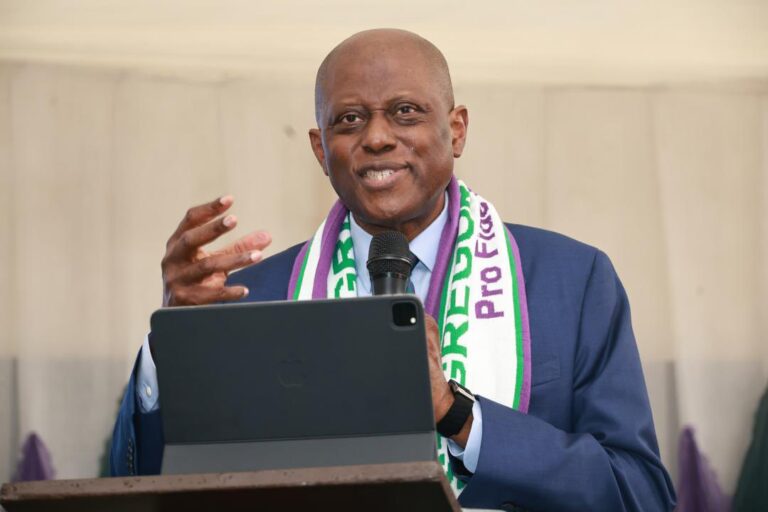
The decision follows comments by CBN Governor Olayemi Cardoso attributing recent naira pressure to seasonal factors — portfolio investors adjusting positions, domestic businesses hedging ahead of 2027, and higher spending linked to the approaching election cycle.
The bank has framed the $1 million window as a temporary measure “to address seasonal demand pressures and improve orderly access to US$ cash for end users.” Gross reserves stood at about $54.02 billion as of 17 November, covering roughly 10.26 months of imports, while diaspora remittances have remained supportive.
On the day the policy took effect, the naira firmed slightly on the official market to around N1,392.25 per dollar while the parallel market held near N1,450. The gap has not closed, but the fresh cash is intended to compress it if banks deliver the dollars steadily.
The new limit does not eliminate all demand pressures. Yet the difference between a maximum of $37,500 in cash and a full $1 million is concrete for the travellers and small businesses that rely on physical dollars. For the first time in months, a larger share of that demand can now be met through licensed desks rather than informal channels.