Nigeria’s legislative shift to an ad valorem retail tax on sugar-sweetened beverages fundamentally misses its public health target by penalizing product price tags instead of actual biochemical sugar density.
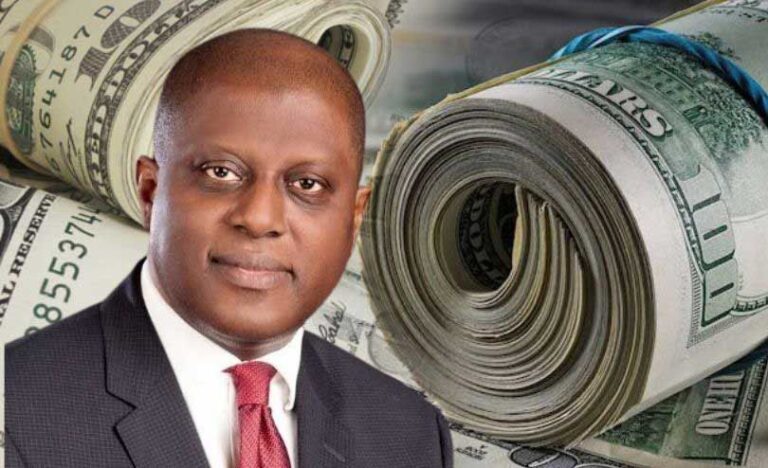
Speaking on Channels Television over the weekend, Economist and CEO of ThinkBusiness Africa Dr. Ogho Okiti warned that taxing beverage value rather than sugar content distorts market incentives and undermines public health outcomes.
“Instead of taxing the value, that’s the price of the drink, why don’t you tax the sugar content?” Okiti stated during the broadcast, arguing that pricing-based levies miss the policy’s target.
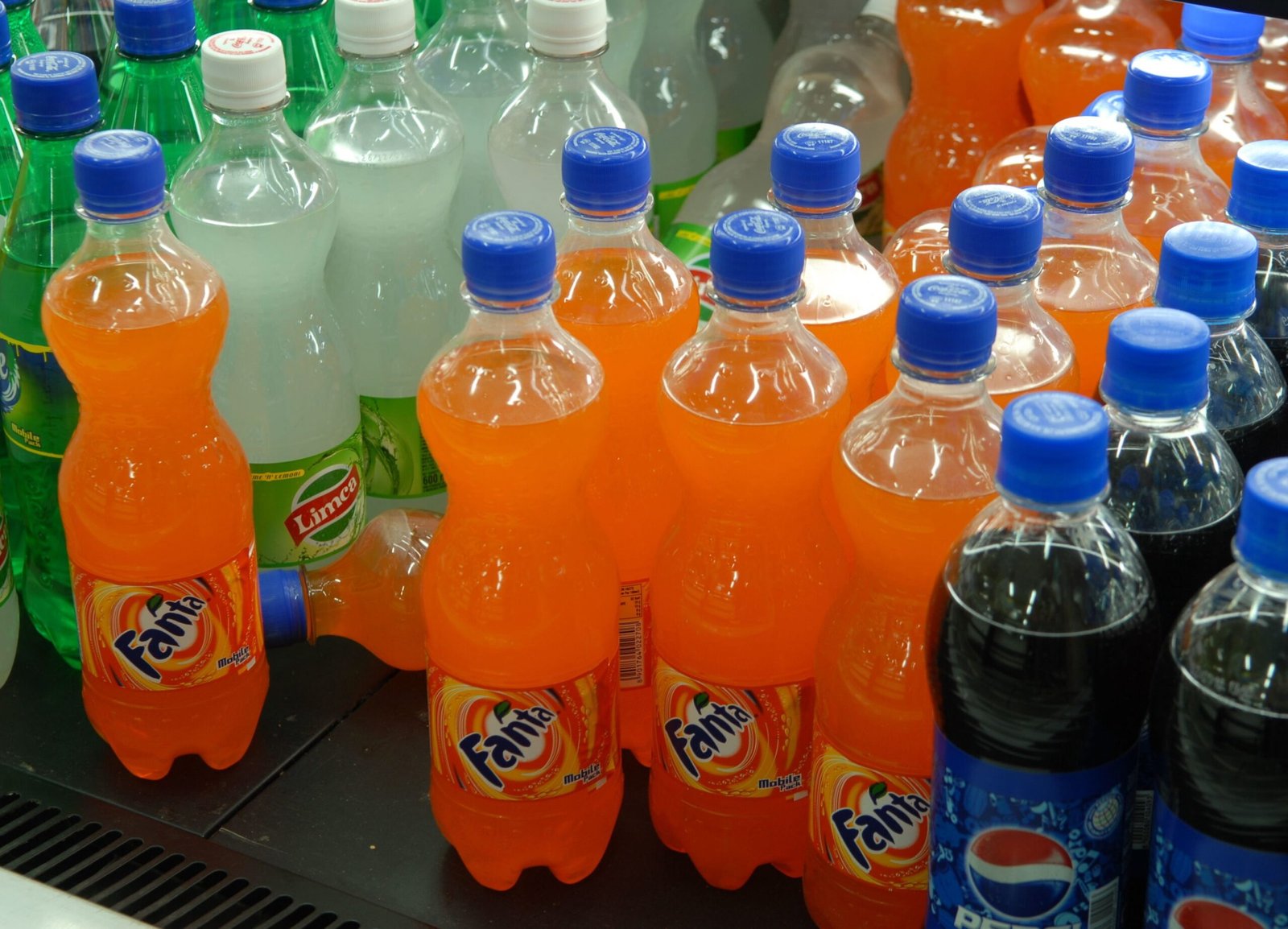
Under the ad valorem model, a N1,000 low-sugar premium drink is taxed higher than a N300 high-sugar option, effectively penalizing retail pricing rather than encouraging recipe reformulation across the sector.
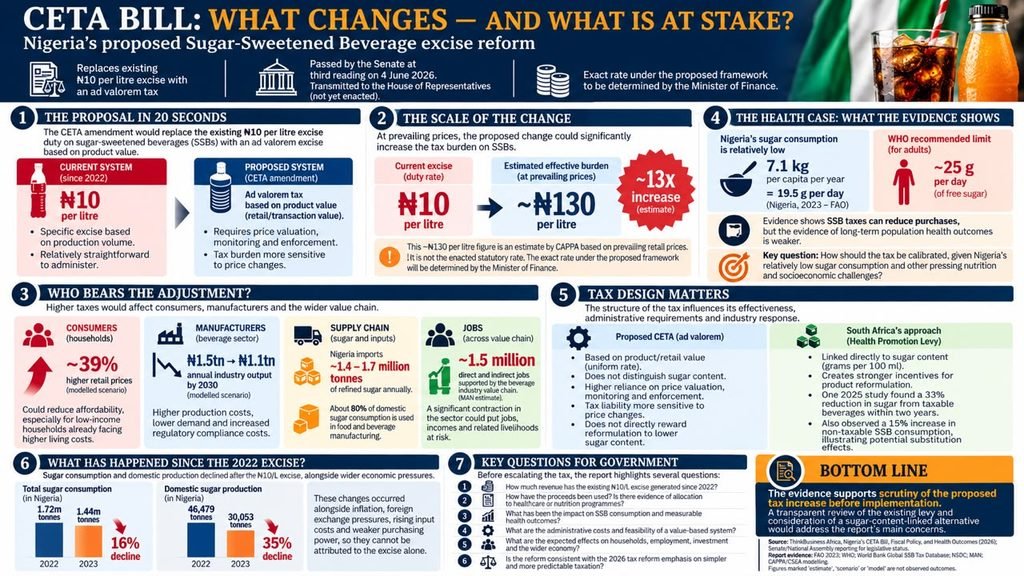
Nigeria originally introduced the Sugar-Sweetened Beverage (SSB) tax under the Finance Act 2021, instituting a flat N10-per-litre excise duty designed to combat rising non-communicable diseases like obesity and diabetes.
However, lawmakers recently approved replacing this flat N10-per-litre duty with a sweeping percentage-based retail levy, a move driven by advocacy groups pushing for up to a 1,200% tax increase.
Data indicates the previous N10 levy generated over N108 billion over four years without delivering measurable health improvements across non-communicable diseases like diabetes, obesity, and hypertension.
“We had the SSB tax… the 10 per cent levy since 2022, but four years later, there is no demonstrable evidence that it has led to any reduction,” Okiti noted.
Critiquing the decision to increase rates and shift the tax structure despite missing performance metrics, Okiti questioned the legislative rationale: “You don’t escalate a policy when there is no demonstrable evidence that the initial policy has worked.”
“What it does deliver on is that it will increase the burden on businesses and consumers, but the health outcomes… this bill will not deliver on that,” he added.
The economist cited South African market data to illustrate substitution risks, noting that tax hikes on specific drinks triggered a “reduction of about 39%” alongside a “15% increase in untaxed beverages.”
In September, A policy research brief from ThinkBusiness Africa which examines the proposed new Sugar tax noted that “Nigeria’s relatively low per-capita sugar consumption needs to be considered alongside other nutritional and socioeconomic challenges.” As over 133 million Nigerians live with multidimentioanl poverty and househpold faced with weak purchasing power and higher living costs.
Meanwhile, the Corporate Accountability and Public Participation Africa (CAPPA) estimates that the proposed reform could raise the effective SSB tax burden to approximately N130 per litre, based on prevailing retail prices, compared with the existing N10 per litre excise duty.
To effectively reduce diabetes and obesity, Okiti argue Nigeria must align fiscal legislation with biochemical reality, taxing raw sugar thresholds to incentivize healthier manufacturing processes rather than squeezing consumers.