

Nigeria Confirms First Ebola Case in Traveler from Uganda as Outbreak Spreads Across Africa
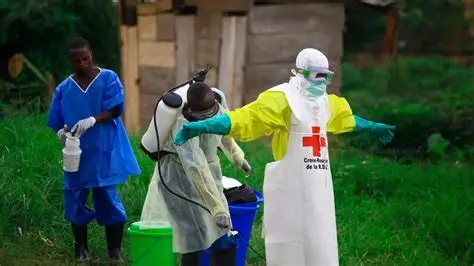
Nigeria’s health ministry confirmed on Tuesday its first case of Ebola virus disease in the current outbreak, involving a woman who arrived in Abuja from Uganda. The patient developed symptoms on 7 October, was admitted to a private hospital on 11 October, and tested positive for the Bundibugyo strain on 20 October. She is in isolation receiving care. Authorities have identified 44 contacts, including healthcare workers and fellow travelers, and contact tracing is under way. Hours after the announcement, Uganda’s Ministry of Health posted a public statement: “Public Statement on Reported Ebola Case In Nigeria: We Call For Calm and Vigilance. Uganda has No cases of Ebola.” A Ugandan government spokesperson separately stated there is no Ebola in Uganda. Investigations into the Nigerian patient’s precise exposure history continue. The case marks the latest cross-border extension of an outbreak that began in the Democratic Republic of the Congo in mid-May 2026. The DRC has reported more than 9,500 confirmed cases and roughly 4,600 deaths from Bundibugyo virus, with a case-fatality rate near 48 percent. Cases have been recorded across at least eight provinces, concentrated in Ituri and North Kivu. This is the second-largest Ebola outbreak on record and has been described by Africa CDC as the most geographically extensive in history. Kenya has reported nine confirmed cases this month, all linked to a single cluster originating from a traveler who moved from the DRC through Uganda to Nairobi. One death occurred; the remaining cases have stayed within known contacts, with intensive tracing and monitoring in place. Uganda itself recorded approximately 20 cases, mostly imported, in May and June before the World Health Organization declared its outbreak over in late August after 42 days without new infections. No licensed vaccine or specific treatment exists for Bundibugyo virus. Response relies on isolation, supportive care, contact tracing, and infection prevention. Experimental vaccines and therapies are in trials, but none are authorized for routine use. Africa CDC Director-General Jean Kaseya has called for urgent international support, including flexible financing, medical supplies, and responders, while mobilizing assistance for Nigeria. Nigeria previously contained an Ebola outbreak in 2014. Health officials there say surveillance at entry points and isolation capacity have been strengthened in response to the regional alerts. WHO’s African Region office confirmed the Nigerian case and noted that the country is the fifth to detect the virus since the DRC declaration. The pattern of spread has been driven by travel during the incubation period via air and land routes connecting the DRC epicenter through Uganda to other countries. With no approved countermeasures specific to this strain and ongoing transmission in eastern Congo amid conflict and infrastructure challenges, health authorities across the region face continued risk of further imported cases.
Over $700 Million in Congo Ebola Response Funds Unaccounted For
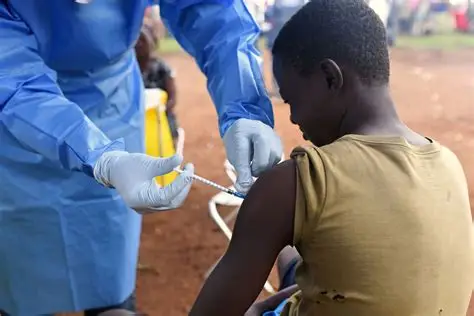
More than $700 million in international donor funding earmarked for the Ebola outbreak response in the Democratic Republic of the Congo cannot be traced. A joint verification audit exposed a massive reporting deficit among aid agencies. Africa Centres for Disease Control and Prevention Director-General Dr. Jean Kaseya told reporters that donors disbursed approximately $962 million directly to non-governmental executing partners rather than government accounts. Only $228 million was accounted for after less than 30% of implementing partners attended a financial verification meeting called by Congo’s Ministry of Health. Of that sum, $127 million was spent. Dr. Kaseya clarified that while it is too early to prove embezzlement, the untracked $700 million represents a severe transparency breakdown that threatens ongoing epidemic response operations. Congolese Health Minister Roger Kamba warned that non-compliant humanitarian groups face immediate revocation of operating accreditations. Immigration authorities have been instructed to take enforcement action against non-reporting personnel. The financial dispute comes as the country battles an escalating public health crisis caused by the Bundibugyo Ebola virus strain. The epidemic has infected over 9,200 people and claimed 4,400 lives. Ituri province remains the primary epicenter, accounting for over 6,800 confirmed cases. Health officials warn that tracking failures undermine community trust and jeopardize future emergency funding allocations.
Kenya Confirms Second Ebola Case in Quarantine as Contact Tracing Holds Line
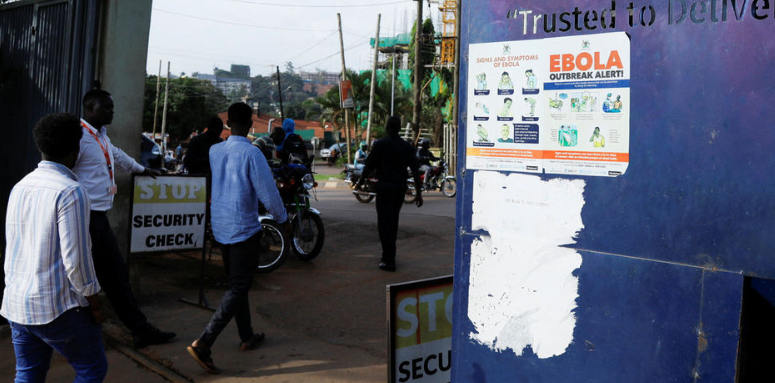
Kenya’s Ministry of Health confirmed a second case of Bundibugyo Ebola virus disease on 14 October 2026. The patient, a 39-year-old man and close family member of the country’s first case, developed symptoms while already under quarantine and daily monitoring. The announcement came in a press release from the Office of the Director General for Health, Dr. Patrick Amoth, shared on the ministry’s official X account. The man fell ill on 13 October with fever, fatigue and joint pains, was isolated immediately, and tested positive at both the National Virology Reference Laboratory and the KEMRI-CDC laboratory. He is now receiving supportive care at a designated treatment centre. Kenya has recorded two confirmed cases and one death. Both cases are linked, and authorities report no evidence of wider community spread. Contact tracing identified 128 contacts of the first case. As of 13 October, 113 had been traced, with 108 under 21-day quarantine in Kenya for daily checks. Five contacts are outside the country and have been notified under International Health Regulations, while tracing continues for the remaining 15. The first case involved a Kenyan who had lived in the Democratic Republic of Congo, traveled through Uganda, arrived in Nairobi around 3 October, and died on 5 October after hospital admission. The ongoing DRC Bundibugyo outbreak is one of the largest recorded, with thousands of cases and over 4,000 deaths reported. WHO has been notified and is supporting Kenya’s response with supplies and technical assistance. The ministry states Kenya remains open, with no restrictions on travel, trade or public gatherings. Officials urge the public to stay calm, seek prompt care for symptoms, and rely only on official updates. The development follows intensified border screening and surveillance after the imported case, amid concerns about regional detection gaps. Early isolation of the second patient is presented as evidence that quarantine and monitoring protocols are functioning as designed to limit further transmission.
Congo Ebola Toll Crosses 4,000 in Deadliest National Epidemic
The Democratic Republic of Congo’s Ebola death toll has crossed the 4,000-fatality threshold, cementing this as the deadliest epidemic in the nation’s history. Government data released Friday by health authorities confirms over 8,300 confirmed cases, far outpacing the devastation of the 2018–2020 crisis. The outbreak spans seven provinces, with eastern commercial and agricultural hubs like Ituri and North Kivu bearing the brunt of transmission pressures. Containment efforts face severe headwinds. Persistent regional insecurity and logistical hurdles continue to disrupt medical supply chains, cold-chain transport, and vaccine deployments. Localized community mistrust further hampers response teams attempting contact tracing and clinical interventions. Despite these challenges, over 2,000 patients have successfully recovered, and international agencies are ramping up immunization drives. The public health emergency collides with broader economic strains. Stretched national healthcare budgets and localized border precautions threaten regional trade corridors and labor mobility. Global financial partners and development banks are urging accelerated emergency funding to stabilize health infrastructure and safeguard West and Central African commerce.