

DRC Tightens Grip on Critical Mineral Data as 2026 Databank Deadline Looms
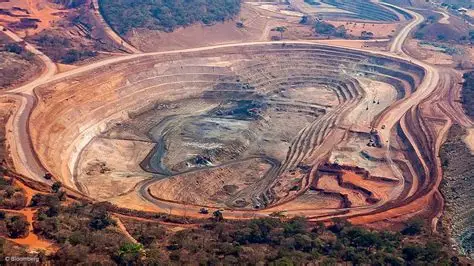
The Democratic Republic of Congo is tightening state control over geological data, aiming to steer billions in mining investments and expand influence over future critical mineral discoveries. The National Geological Survey of Congo (SGNC) confirmed that a comprehensive national geological databank is slated to become fully operational by late 2026. A $180 million airborne mapping contract with Spain’s Xcalibur, initiated in January, is currently surveying over 700,000 square kilometers to reduce exploration risk across the resource-rich nation. Despite housing the world’s largest cobalt reserves and vital copper and lithium deposits, only about 20 percent of the Central African country has been systematically explored. Beyond Xcalibur, the DRC has forged active partnerships with U.S.-backed KoBold Metals, France’s BRGM, and South Africa’s Council for Geoscience to accelerate regional mapping initiatives. Exploration spending in the country recently reached $130.7 million, ranking as the highest in Africa, though most capital remains tightly clustered within established southern provinces. Unlike open-source mining jurisdictions, Kinshasa plans a tiered, fee-based data access model. This strategic move unfolds amid intense competition between global powers like the US and China. The state views these proprietary geoscientific insights as critical economic leverage, ensuring domestic resource control mirrors aggressive moves seen across global critical mineral supply chains.
U.S. Copper Imports from Congo Surge to Record Highs Amid Tariff Anxiety
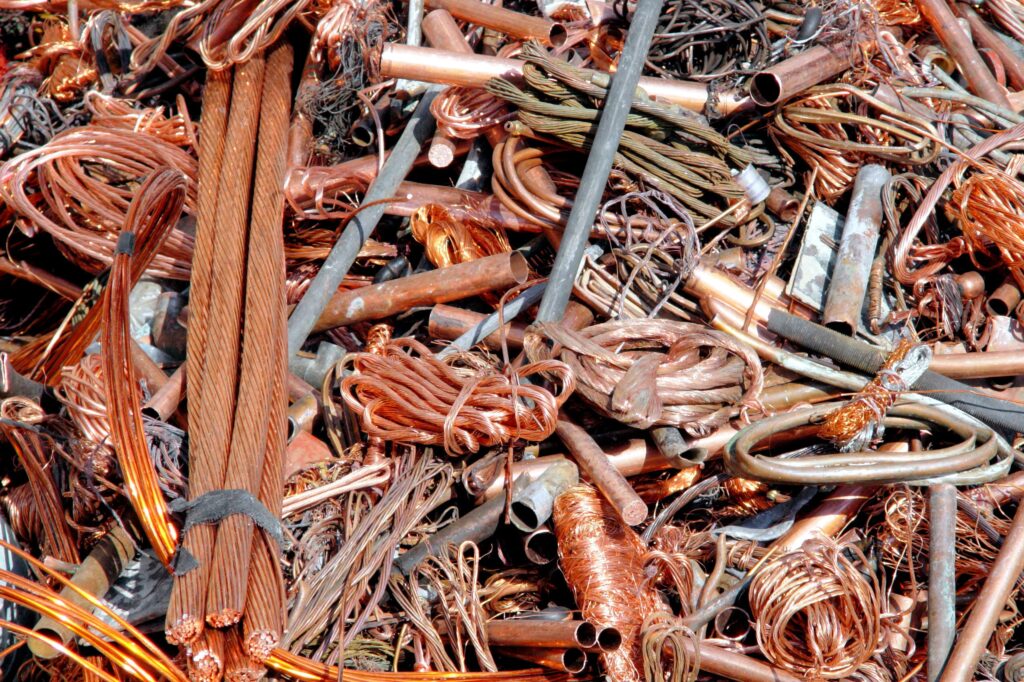
U.S. refined copper imports from the Democratic Republic of Congo (DRC) hit an all-time high of 53,290 metric tons in July, capturing an unprecedented 23.9% share of the American market. According to official U.S. trade data cited by Reuters and Trade Data Monitor, this massive volume pushed total monthly American refined copper imports past 220,000 tons for the first time. The historic inbound shipment comes as industrial consumers aggressively exploit steep price discounts of up to $800 per ton compared to pricey COMEX-approved brands to offset freight costs. No Congolese copper brands are currently approved for delivery on the domestic U.S. futures market, forcing traders to price the African metal against London Metal Exchange benchmarks. This pricing structure created a compelling financial arbitrage during the summer months, allowing wire-rod and tube manufacturers to bypass expensive domestic premiums amid persistent supply tightening. Analysts note that the frantic trade surge was heavily accelerated by looming U.S. import tariffs, which have pushed COMEX inventories to record highs and scrambled global supply chains. While the U.S. enacted a 50% tariff on certain semi-finished copper products and intensive derivatives, refined copper has remained subject to widespread market speculation and the looming threat of future duties, prompting traders to accelerate shipments. Beyond short-term tariff positioning, improving refining standards and higher product quality have successfully removed historic technical barriers that previously limited Congolese metal acceptance in the United States. Simultaneously, state-backed agreements like Gécamines export pacts and developing infrastructure corridors like Angola’s Lobito route are strengthening long-term trade links between Central Africa and North American markets.
Congo Ebola Crisis Escalates as Death Toll Surpasses 2,000

The Democratic Republic of Congo’s (DRC) deadliest Ebola crisis has surpassed 2,000 deaths, marking the fastest-spreading outbreak on record as health authorities struggle to contain transmission across five eastern provinces. According to official figures released Tuesday by the Congolese public health ministry, confirmed cases have reached 4,381 with 2,011 deaths. Over 700 patients remain hospitalized in isolation units. The epidemic has accelerated at an unprecedented rate. While recording the initial 1,000 deaths required nine weeks, the casualty count doubled to 2,000 in just three weeks. Unlike previous epidemics driven by the Zaire strain, this outbreak is caused by the rare Bundibugyo Ebola virus. No licensed vaccines or specific therapeutic treatments currently exist for this specific strain. The World Health Organization confirmed the virus began circulating undetected in Ituri province as early as February 2026, months before the government officially declared an emergency in May. Containment operations face severe operational headwinds, including ongoing armed conflict in eastern Congo, healthcare worker strikes over unpaid wages, and significant cross-border population mobility. It now stands as the second-largest Ebola outbreak in history, trailing only the West Africa epidemic of 2014–2016, which claimed more than 11,000 lives.
Congo’s Big Mining Gamble: Country Bans Copper and Cobalt Exports to Force Local Refining
The Democratic Republic of Congo (DRC) has banned exports of copper and cobalt concentrates under a new government order aimed at forcing domestic processing and retaining greater economic value from its vast mineral reserves According to an official government order signed by Mines Minister Louis Kabamba Watum, the ban takes immediate effect alongside a new taxation framework on mineral by-products. The ban states that “the export of copper and cobalt concentrates is prohibited.” Reuters reported the order has been signed since June 29 2026. The policy targets Congo’s main economic engine. Data from the Central Bank of the DRC shows mining makes up 98.9% of total exports ($34.9 billion). Copper and cobalt alone account for over 75% of all foreign earnings Congo produces 70% of the world’s cobalt and is the second-largest copper producer. However, foreign countries like China currently process most of these minerals capturing the vast majority of downstream refining value. However, forcing companies to refine minerals locally will not be easy. Congo faces severe power shortages. A similar ban in 2013 failed because the country lacked electricity and local smelters. For big miners like Glencore and Ivanhoe, the law forces immediate changes. They must build their own power sources and smelting plants in Congo to keep operating. Mining firms without local smelters face huge risks. They may have to ask the government for special one-year export permissions just to keep selling raw minerals abroad; as the order includes export waivers under “strategic” circumstances. Overseas refineries now face severe mineral shortages and lower profits. At the same time, Congo’s new tax on by-products will make sure companies pay for secondary trace minerals. Since the ban, benchmark three-month copper on the London Metal Exchange risen by as much as 1.8% to $14,369.50 a metric ton, the highest since January 29 when the metal hit an all-time peak of $14,527.50.
US Doubles DRC Ebola Assistance to $512 Million Amid Escalating Outbreak

The United States State Department has pledged an additional $242 million to combat the escalating Ebola outbreak in the eastern Democratic Republic of Congo (DRC). State Department spokesperson Tommy Pigott told reporters Wednesday that the money will sustain frontline operations for six months, bringing total direct U.S. financial assistance to $512 million. “While we recognize that the road ahead is long and challenging, the United States’ support has unquestionably stopped this outbreak from being worse,” Pigott said regarding the intervention. The expanded capital arrives as aid officials describe the epidemic as the fastest-spreading Ebola outbreak on record, severely compounded by active armed conflict, surveillance gaps, and delayed initial detection. Government metrics show the outbreak has reached 3,874 confirmed cases and 1,751 deaths. However, World Health Organization (WHO) estimates warn true figures could be up to four times higher. Medical charity Doctors Without Borders reported the situation in eastern DRC is “more critical than ever,” with fatalities over 11 weeks expanding five times faster than prior major epidemics. The fresh U.S. capital will bolster diagnostic capacity, maintain disease monitoring networks, supply medical equipment, and support cross-border containment measures to mitigate further regional contagion.
DR Congo Ebola Outbreak Surges to 3,200 Cases as Death Toll Hits 1,405
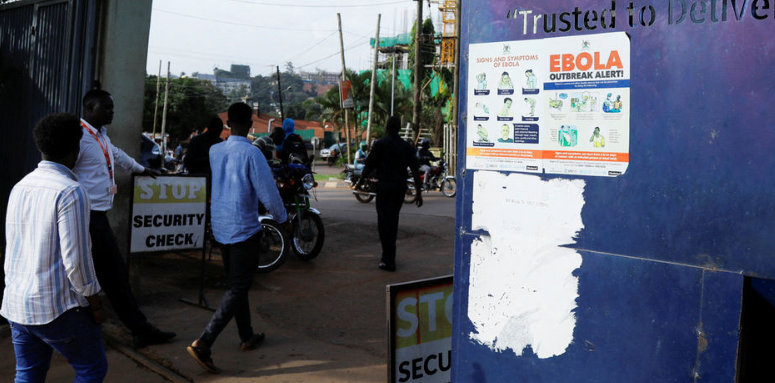
Confirmed Ebola cases in the Democratic Republic of Congo have climbed to 3,200, with total deaths reaching 1,405, official government figures released Sunday show, making it the fastest-spreading outbreak on record. Data from the National Institute of Public Health reveals infections surged by roughly 1,000 in ten days. Over a single 24-hour period, health authorities reported 125 new cases and 51 fatalities. Nearly 90% of cases remain concentrated in northeastern Ituri province. However, transmission has now reached five provinces, driven by intense cross-border movement, active insecurity, and local trade networks. The 17th national outbreak, declared May 15, stems from the Bundibugyo virus strain. Unlike the Zaire strain, Bundibugyo lacks commercially approved vaccines or licensed therapeutics, hindering response operations. Containment efforts face severe operational friction. Strikes by health workers demanding unpaid wages, physical attacks on treatment facilities, and logistically isolated terrain continue to hamper surveillance and patient care. The crisis is poised to become the second-largest Ebola epidemic in history. In response, researchers are fast-tracking clinical trials, including Oxford University launching early human trials for a candidate vaccine.
Silent Urban Spread Triggers History’s Fastest-Moving Ebola Outbreak in Congo
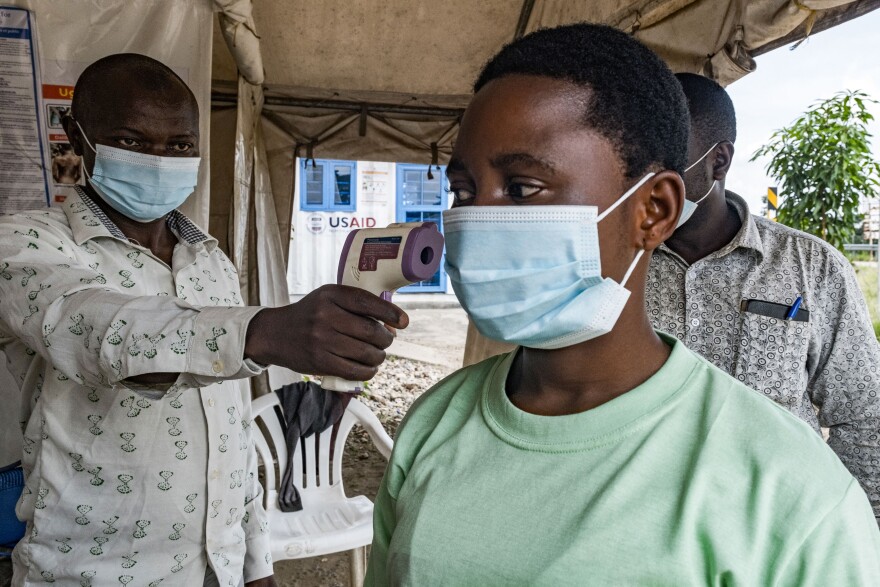
LAGOS – A rapid surge into dense urban hubs has given the Democratic Republic of Congo’s (DRC) latest Ebola outbreak the highest number of confirmed first-month cases in African history. The World Health Organization (WHO) reported Tuesday that the virus has infected 1,048 people and caused 267 deaths since the outbreak was officially declared on May 15. Officials blamed the unprecedented transmission speed on late detection. The virus circulated silently for months before infiltrating high-density cities like Bunia and the mining hub of Mongbwalu. The crisis took just 37 days to reach 250 fatalities. In contrast, the devastating 2014 West Africa epidemic required 78 days to hit the same grim milestone. Adding to the containment challenge, the current crisis is driven by the rare Bundibugyo strain. Health responders currently have no approved vaccine or specific medical treatments to combat it. The outbreak is heavily impacting vulnerable populations. At least 25 confirmed cases and 14 deaths have already been recorded across three overcrowded displacement camps in conflict-affected eastern Congo. In response, international teams have scaled up laboratory capacity from 30 daily tests to over 2,000, while rapidly expanding isolation bed capacity to 500 across 19 regional health zones.
Donors Pledge $910 Million for Ebola Emergency in DRC and Uganda
Donors have pledged $910 million, including $80 million from African Union member states, to support the emergency Ebola response in the Democratic Republic of the Congo and Uganda, health officials announced Thursday. The Africa Centres for Disease Control and Prevention stated that the commitments were secured during a high-level meeting to curb a rapidly expanding outbreak that is threatening to destabilize the central African region. Health ministers plan to deploy the capital immediately to scale up cross-border surveillance, intensify contact tracing, and reinforce diagnostic laboratories along the highly active frontier connecting the two neighboring nations. The multi-million-dollar mobilization comes amid warnings from Africa CDC Director-General Jean Kaseya that the crisis could surpass the deadly 2014 West African epidemic if containment operations do not accelerate. Recent data shows the outbreak has already caused at least 194 deaths and 827 cases, largely concentrated in the conflict-ridden North Kivu, South Kivu, and Ituri provinces of the DRC. Compounding the crisis, scientists confirmed the outbreak is driven by the rare Bundibugyo virus strain, which currently lacks any licensed vaccines or approved therapeutic treatments, making transmission control critical. Health workers face severe operational hurdles as active local transmission recently expanded into a large displacement camp, significantly increasing the risk of infection among thousands of vulnerable children. The United Nations international migration agency recently deployed screening teams to 29 border checkpoints, including Entebbe International Airport, to track potential cross-border transmission routes.