

Oil Prices Decline as U.S. Sanctions Strategy Offsets Hormuz Risks
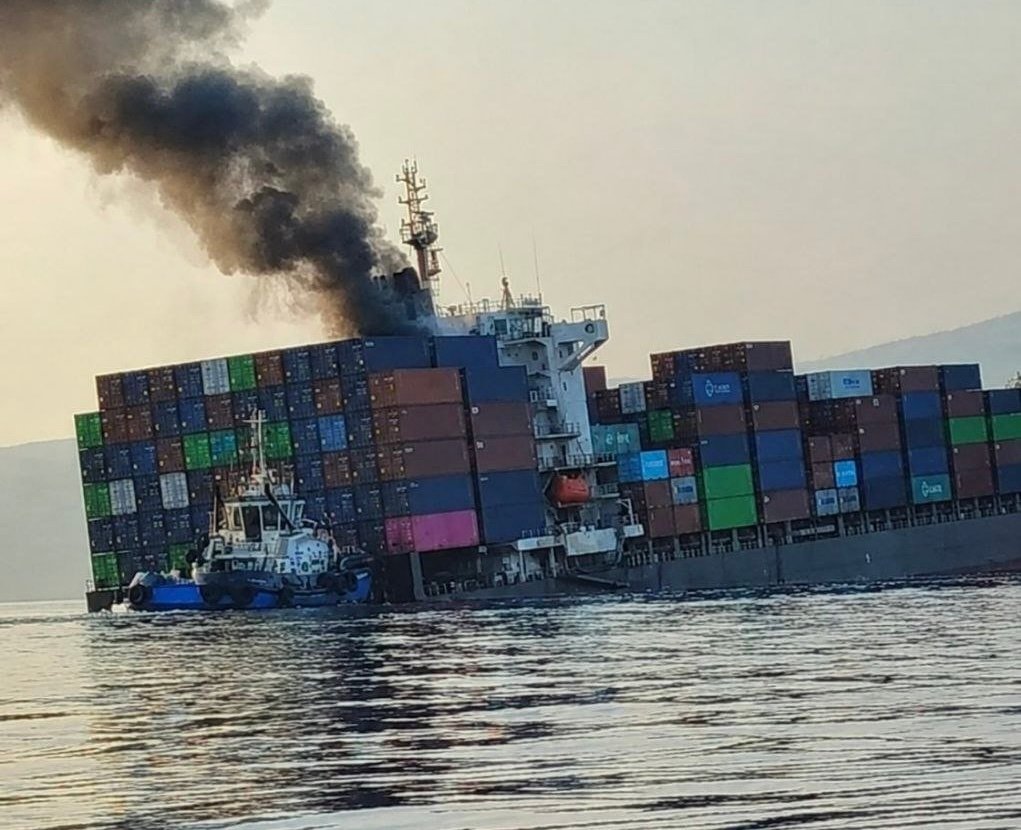
Global crude oil benchmark prices dropped by over 1% on Thursday. Investors weighed escalated supply risks in the Middle East against aggressive U.S. government proposals to reduce energy logistics expenses. International benchmark Brent crude futures dropped $1.64, or 1.6%, to trade at $104.42 a barrel by 0337 GMT. The loss erased gains made during Wednesday’s trading session. Simultaneously, U.S. West Texas Intermediate (WTI) crude futures shed 98 cents, or 1%, slipping to $94.11 per barrel. The decline comes despite broader commodity volatility driven by geopolitical tensions across critical transit points. Trading sentiment shifted after Washington signaled plans to ease targeted maritime sanctions. U.S. officials are exploring regulatory relief for shadow fleet oil tankers to reduce soaring petroleum freight rates and stabilize transport costs. The policy measure neutralized energy market anxiety concerning military attacks on commercial shipping vessels. Energy traders remain concerned over potential transit disruptions near the Strait of Hormuz, a key choke point for global oil. Meanwhile, on Wednesday a Singapore flagged ship identified as the GFS Pride sank at the strait of Homuz after hitting a mine placed by Iran. The ship had over 2500 containers on board; raising fear of continuous maritime disruption at the strait. However, the price pullback occurred even as secondary market data indicated a steep 11.1-million-barrel drawdown in U.S. commercial crude inventories for the week ending October 9, highlighting prevailing macroeconomic uncertainties.
Oil prices surge as Middle East ceasefire unravels; Brent climbs toward $100
LAGOS — Oil prices surged on Monday as renewed geopolitical volatility in the Middle East sparked fresh concerns over global supply stability. The rally effectively erased last week’s brief bearish trend following the collapse of a fragile regional ceasefire. By mid-morning trading on Monday, April 20, Brent crude, the international benchmark, jumped 5.8% to $95.64 per barrel, while the U.S. standard, West Texas Intermediate (WTI), surged 6.4% to $87.90. The escalation follows reports of a naval incident involving a commercial vessel over the weekend. This event led to the immediate reimposition of maritime restrictions, stranding several tankers and forcing shipping firms to seek more expensive alternative routes. Energy analysts warn that the continued closure of the world’s most vital oil artery could push prices to $120 per barrel. The International Energy Agency has characterized the current disruption as one of the most significant supply risks in decades. For emerging economies already battling persistent inflation, this spike in energy costs presents a major headwind. Higher crude prices are expected to put immediate pressure on domestic fuel costs and foreign exchange reserves across oil-importing nations. Diplomatic efforts appear to have hit a stalemate as high-level negotiations scheduled for later this week remain in doubt. Markets remain highly sensitive to any further military developments, with volatility expected to persist throughout the current trading week.
Oil prices surge past $110 per barrel as geopolitical tensions escalate
LAGOS — Global oil prices surged past the $110 per barrel mark on Thursday, as escalating geopolitical tensions in the Middle East and threats to critical energy infrastructure triggered a massive risk premium in the commodity markets. Brent crude, the international benchmark, jumped more than 5% in early trading to hit a peak of $112.84 per barrel. The rally marks a significant breach of psychological resistance levels, driven primarily by fears of supply disruptions following heightened friction between Washington and Tehran. The price spike follows recent threats by U.S. officials to target Iranian energy assets, coupled with retaliatory strikes that have reportedly impacted gas facilities in Qatar. Traders are particularly concerned about the stability of the Strait of Hormuz, a vital maritime chokepoint through which approximately 20% of the world’s petroleum liquid consumption passes daily. Market analysts warn that the current volatility is rooted in “infrastructure vulnerability” rather than simple supply-demand imbalances. With global inventories already thin and OPEC+ maintaining strict production discipline, any sustained disruption to Gulf exports could push prices toward $150 per barrel. While Brent crude led the rally, West Texas Intermediate (WTI) also saw gains, trading near $98.70 per barrel. The widening spread between the two benchmarks—now exceeding $13—underscores the market’s assessment that the immediate risks are concentrated in Middle Eastern supply chains rather than North American production. The surge is expected to have immediate downstream implications, with energy experts predicting a sharp rise in the landing cost of refined petroleum products. For import-dependent regions, this price movement likely signals a forthcoming adjustment in domestic fuel pump prices and increased pressure on foreign exchange reserves.