

Oil Shock Threatens South Africa’s Recovery Despite Fiscal Progress – S&P
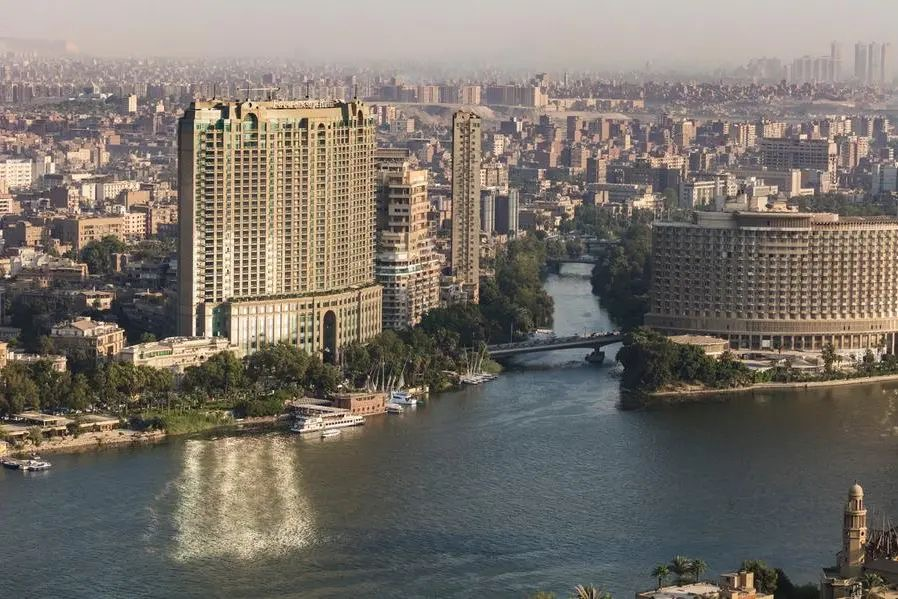
LAGOS — Rising global oil prices triggered by intensifying Middle East conflicts pose a severe threat to South Africa’s consumer-led economy, potentially derailing recent momentum, S&P Global Ratings warned on Tuesday. The credit rating agency noted that while the state’s fiscal consolidation push remains broadly on track, external geopolitical shocks could heavily suppress domestic growth. South Africa remains vulnerable to energy shocks as a net fuel importer. Escalating Brent crude prices directly spike domestic pump costs, driving up food and transport inflation for struggling households. S&P left South Africa’s sovereign credit ratings unchanged at BB for foreign-currency and BB+ for local-currency, maintaining a positive outlook following its upward revision last November. “South Africa is consistently ranking near the bottom on growth — a weakness that feeds into fiscal pressure through softer revenues,” warned Ravi Bhatia, director at S&P Global Ratings. The agency revised its baseline oil price forecast to $100 per barrel for the remainder of the year, threatening to reverse the country’s recent inflation downward trend. National Treasury data shows domestic resilience, with the main budget deficit narrowing to 4.3% of GDP and the primary surplus outperforming initial projections at 1.1% of GDP. However, analysts warn fiscal discipline alone cannot shield the economy if sustained triple-digit oil prices depress retail consumer spending, which serves as the primary engine for GDP growth.
South Africa: Impeachment Committee Formed Over Ramaphosa’s “Farmgate” Scandal
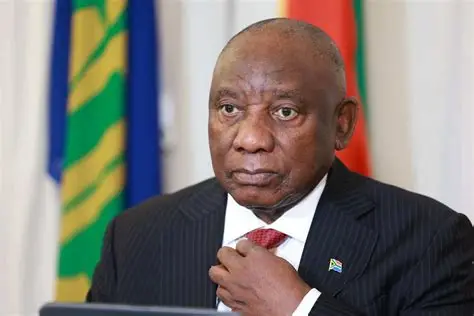
South Africa’s parliament has scheduled the first meeting of an impeachment committee for Monday to probe misconduct allegations against President Cyril Ramaphosa, the Democratic Alliance (DA) party announced Thursday. The 31-member parliamentary committee will investigate the “Farmgate” scandal, which involves the 2020 theft of $580,000 in foreign cash hidden inside a sofa at Ramaphosa’s private game farm. The upcoming meeting marks the next stage of an impeachment process that was officially revived this month after the Constitutional Court ruled a previous 2022 parliamentary vote blocking the inquiry was invalid. “The good thing is that parliament seems to be moving forward,” said DA parliamentary leader George Michalakis, noting that the committee’s first order of business will be electing a chairperson. The DA is currently the second-biggest party in a coalition government with Ramaphosa’s African National Congress (ANC) but maintains that the committee chairperson should not be a member of the ANC. Ramaphosa has consistently denied any wrongdoing, maintaining the cash was legitimate proceeds from a buffalo sale. On Tuesday, he filed court papers to challenge the initial independent panel findings that triggered the probe. The president has also threatened to seek an urgent court injunction to halt the impeachment proceedings entirely if parliament continues the inquiry while his legal challenge is pending in court. Although the ANC holds only nine of the 31 seats on the newly formed committee, it commands 40% of the National Assembly, giving it substantial leverage to block the final impeachment vote. Any final vote to remove the president from office requires a two-thirds majority in parliament, meaning Ramaphosa could survive if his party lawmakers remain united behind him.
Moody’s Upgrades South Africa’s Sovereign Outlook to Positive Amid Debt Improvements
LAGOS — Moody’s Ratings on Friday upgraded South Africa’s sovereign outlook from stable to positive, making it the only G20 nation with a positive trajectory amid a global wave of downgrades. The agency affirmed the country’s long-term issuer rating at Ba2, two notches below investment grade, citing robust fiscal consolidation and steady progress on structural economic reforms. Moody’s expects South Africa’s general government debt to peak at 87% of GDP in 2025 before declining to 85% by 2028, reversing years of fiscal deterioration. Driven by disciplined expenditure control, the primary budget surplus is projected to reach 1% of GDP for the fiscal year ending March 2026 and expand to 2% by 2028. Concurrently, accelerating structural reforms in electricity and logistics are expected to lift real GDP growth to 2% by 2028, a significant increase from the 0.8% average seen since 2023. “The positive outlook reflects the growing likelihood that South Africa’s fiscal performance and economic growth will continue to improve,” Moody’s lead analyst stated in the official ratings release. The National Treasury welcomed the announcement, noting it validates ongoing efforts to stabilize public finances and implement the energy and transport sector turnarounds under Operation Vulindlela. The rating action provides a major sentiment boost, arriving shortly after South Africa’s highly anticipated exit from the Financial Action Task Force (FATF) global financial grey list. However, the agency lowered near-term growth forecasts for 2026 and 2027 by 20 to 50 basis points due to geopolitical conflicts fueling inflation via global fuel shocks. Despite the positive outlook, structural challenges persist, as South Africa’s debt-service costs still consume nearly 19% of government revenue, a figure significantly higher than its peer economies.
South Africa’s Power Company Eyes World Bank Funding for New Multi-Billion-Dollar Nuclear Programme

South Africa’s state power utility Eskom is in exploratory talks with the World Bank to fund a new multi-billion-dollar nuclear build programme designed to launch within 12 months, officials confirmed Wednesday. The state-owned utility plans to issue a Request for Information for up to 5,200 megawatts of nuclear capacity to secure long-term energy security and accelerate its transition away from coal reliance. The strategic procurement will split capacity between 4,800 megawatts of conventional pressurized water reactors and 400 megawatts of small modular reactors, according to Eskom Group Executive for Generation Bheki Nxumalo. Bheki Nxumalo, Eskom’s group executive for generation, confirmed the global funding push at a Cape Town energy summit, stating, “We are engaging development finance institutions, including the World Bank, to structure a sustainable multi-vendor financing framework.” At least 200 megawatts of the small modular reactor capacity will be directly deployed for Eskom’s coal-to-nuclear strategy, repurposing aging coal-fired stations scheduled for mandatory decommissioning over the next decade. The financing discussions mark a significant shift for global lenders like the World Bank, which historically prioritized funding for solar, wind, and battery storage over highly complex nuclear generation infrastructure. South Africa recently designated Thyspunt in the Eastern Cape as the preferred site for the conventional reactors, though the decision faces immediate environmental and legal challenges from local community coalitions. The nuclear expansion builds upon recent structural gains, following Electricity Minister Kgosientsho Ramokgopa’s announcement that Eskom achieved a consecutive 400-day streak without national rolling blackouts due to improved plant maintenance.
South Africa Inflation Spikes to 4.0% as Fuel and Power Shocks Hit Target Ceiling
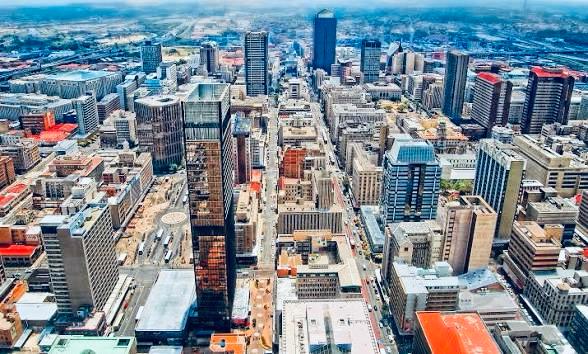
South Africa’s headline consumer inflation accelerated sharply to 4.0% year-on-year in April, up from 3.1% in March. The surge brings price growth exactly to the upper limit of the central bank’s target. Data released by Statistics South Africa on Wednesday showed a month-on-month consumer price index increase of 1.1%. This represents a significant acceleration from the 0.6% monthly pace recorded in March. The inflation spike was primarily driven by severe supply-side energy shocks. Domestic fuel prices jumped 18.2% month-on-month, tracking global oil benchmarks that recently breached $100 per barrel amid escalating Middle East conflicts. Additionally, administered prices put intense pressure on consumers. Public utility Eskom implemented an 8.76% average electricity tariff hike during the month, pushing total administered price inflation to 8.3% year-on-year. Conversely, food and non-alcoholic beverages offered relief, slowing to 2.9% from 3.6%. Cereal products remained in deflation for a third consecutive month, offsetting a structurally high 9.4% meat inflation rate. The data shifts focus to the South African Reserve Bank’s Monetary Policy Committee meeting on May 28. Policymakers previously held the repo rate at 6.75% during their January and March sessions. The 4.0% print tests the strict 3 – 4% formalized inflation target adopted late last year. It marks the first major breach of the anchor since the policy framework was adjusted. Analysts indicate the central bank may hold rates next week despite the spike. However, the MPC is expected to adopt an aggressively hawkish tone to prevent second-round effects from embedding into the economy.
South Africa Raised Steel Import Duties To 30% Amid China Import Surge
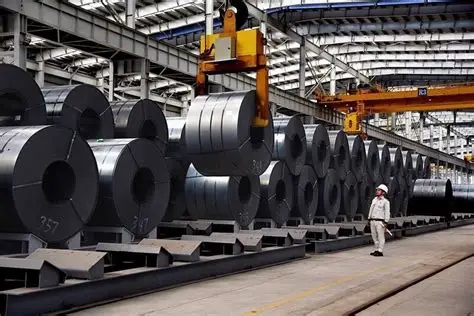
South Africa has increased import duties on several steel products to between 10% and 30% via a government notice to protect its struggling domestic manufacturing sector from weak demand and foreign competition. The updated tariffs target essential upstream and downstream products like flat-rolled iron, non-alloy steel, bars, rods, tubes, and pipes. Previously, the nation applied import duties ranging from zero to 15%. Cheap foreign shipments heavily pressure the local market, where imports constitute roughly 36% of total steel consumption. China alone drives the vast majority of these inflows, accounting for 73% of those imports. The continuous influx of low-priced steel has forced major regional manufacturers, including ArcelorMittal South Africa, to idle various mills and downsize operations over the past year to mitigate severe financial losses. “We are hoping that this decision will provide the local industry necessary space to adjust in a manner that allows them to invest in their capability,” ITAC Chief Commissioner Ayabonga Cawe stated. The broad intervention aligns with the maximum legally permitted import tariff rates under World Trade Organisation rules. Finance Minister Enoch Godongwana signed the emergency adjustment to prevent further widespread industrial job losses. This policy follows separate emergency trade actions executed in March, when South Africa enacted harsh, five-year anti-dumping duties reaching 74.98% on Chinese structural steel and up to 47.92% on coated flat steel.
South Africa’s Q1 2026 Jobless Rate Climbs to 32.7% Amid Mounting Economic Pressure

Despite hostility towards black foreigners, South Africa’s unemployment rate rose to 32.7% in the first quarter of 2026, up from 31.4% in late 2025, according to official data released Tuesday by Statistics South Africa. The 1.3 percentage point increase means the number of unemployed individuals rose by 301,000 to reach 8.1 million. Total employment fell by 345,000 to 16.8 million during the first three months of the year. The report highlights a deepening labor crisis, with youth unemployment for those aged 15 to 34 surging by 2.0 percentage points. Nearly half of the country’s young people are now officially without work. Sectoral data showed heavy losses in community and social services, which shed 206,000 jobs. The construction industry followed with a loss of 110,000 positions, while manufacturing and mining saw modest gains. The quarterly decline was most severe in the North West and Gauteng provinces. KwaZulu-Natal was the only region to report a slight increase in employment, adding 6,000 jobs during the period. This spike in joblessness follows recent anti-immigrant marches and “worker audits” by groups like Operation Dudula. These tensions have drawn condemnation from the United Nations and the African Commission on Human Rights. Ghana and Nigeria have recently expressed grave concerns over the safety of their nationals. Protesters in Johannesburg and Durban continue to blame foreign workers for the scarcity of business and employment opportunities. The data arrives as the Reserve Bank navigates sticky inflation and high fuel costs. Analysts suggest that the rising unemployment rate may complicate fiscal efforts to stabilize the economy through the remainder of 2026.
MTN Group Earnings Surge 27.9% as Nigeria and Ghana Drive Q1 Growth
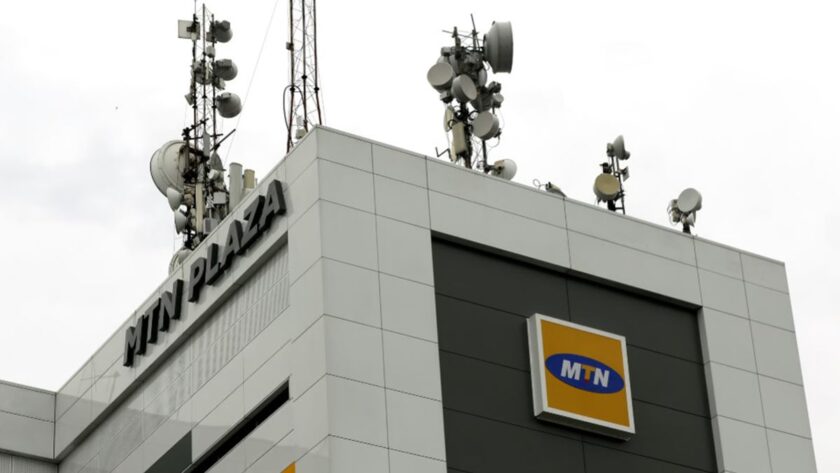
MTN Group reported a 27.9% rise in first-quarter core earnings to R27.6 billion ($1.67 billion) on Tuesday, bolstered by a significant operational recovery and surging data demand in its key West African markets. The South African telecommunications giant saw constant-currency service revenue climb 21.1%, while its earnings before interest, tax, depreciation and amortization (EBITDA) for the three months ended March 31 expanded to 47.6%. This performance was primarily anchored by a 165.9% jump in profit from its Nigerian subsidiary. Strong results in Nigeria and Ghana offset a flatter trajectory in South Africa, where service revenue grew by just 1.2% amid intense prepaid competition and a challenging domestic macroeconomic environment. In Nigeria, the stabilization of the Naira and a net foreign exchange gain of N33.3 billion marked a sharp turnaround from the currency volatility that hampered the group’s 2025 fiscal performance. Data consumption remains the group’s primary engine, with average monthly usage per subscriber in Nigeria hitting 14.3 GB. Consequently, the company has nearly doubled its network investment in the region this year. This growth follows a strategic period of recapitalization for MTN Nigeria. Recent central bank policies and infrastructure master plans in major hubs like Abuja have further supported the digital economy’s expansion. “A more supportive macroeconomic and foreign exchange backdrop in key markets like Ghana, Nigeria and Uganda supported accelerated investment to meet robust demand and to capture the future opportunities we have identified,”Group President and CEO Ralph Mupita commented. Management confirmed it remains on track with its “Ambition 2025” strategy. This includes the structural separation of its fintech business and ongoing efforts to deleverage the group’s balance sheet.
South Africa Faces Massive Fuel Price Hike Amid Global Supply Crisis
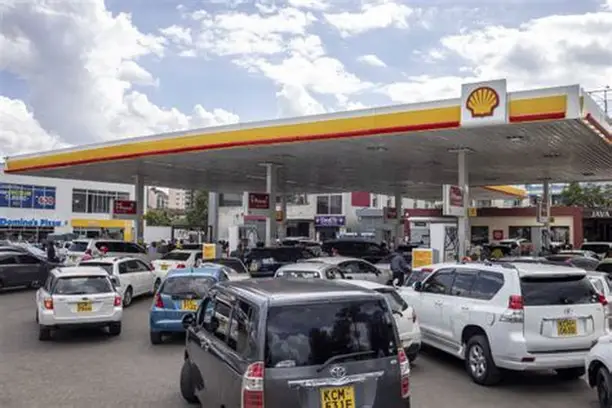
South African motorists face a record-shattering fuel price hike this Wednesday. Petrol will surge by R3.27 per litre, while diesel users see a staggering R6.19 per litre increase. This spike pushes 95 Unleaded Petrol to approximately R26.33 per litre from its current R23.06. Diesel is set to hit a record R32.30, up from roughly R26.11. The Department of Mineral and Petroleum Resources cited on Monday that Brent Crude is breaching the 100-dollar mark. This follows the closure of the Strait of Hormuz due to escalating US-Iran conflict. “The average Brent Crude oil price increased from 93.67 US Dollars (USD) to 101USD during the period under review. This is due to the continued tension between the US and Iran, the closure of the Strait of Hormuz and damage to other crucial infrastructure which have affected crude oil supply.” The department said in a statement. The price shock occurs despite a massive emergency intervention. The Minister of Finance slashed fuel levies by 300c/l for petrol and 393c/l for diesel to prevent a total economic collapse. Illuminating paraffin prices will also jump by R4.22 per litre. These increases come as the national slate account hit a negative balance of over R14 billion in March. The market remains volatile as infrastructure damage in the Middle East continues. Analysts warn this spike will likely drive inflation higher, straining households already struggling with high living costs. The Rand remained stable at 16.65 to the Dollar. However, this stability failed to offset the explosive rise in international product prices driven by the Persian Gulf supply shortage.
Xenophobia: Nigeria Initiates Citizen Repatriation Amid Escalating South Africa Unrest
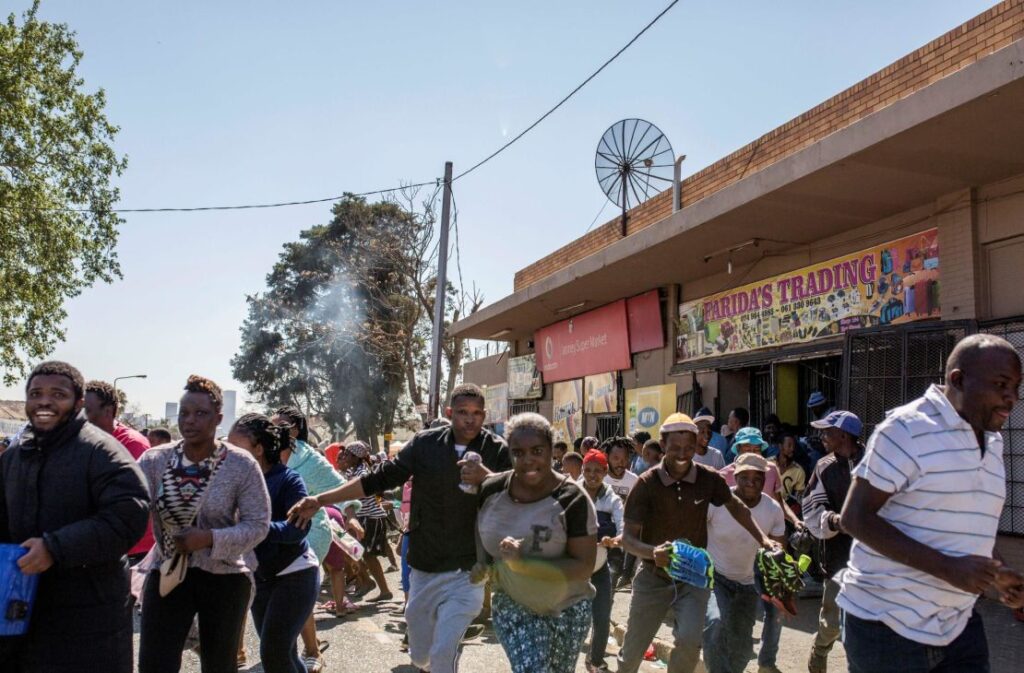
LAGOS – Nigeria’s Minister of Foreign Affairs, Ambassador Bianca Odumegwu-Ojukwu, has confirmed that 130 Nigerians have registered for voluntary repatriation following a surge in anti-foreigner protests across South Africa. The diplomatic move coincides with the Ministry summoning South Africa’s High Commissioner to Nigeria on Monday. The government is demanding justice for two Nigerians allegedly killed by South African security forces. Amamiro Chidiebere Emmanuel died April 25 from injuries sustained during a military beating. Nnaemeka Matthew Andrew was found dead April 20 following an encounter with the Tshwane Metro Police. “This is utterly condemnable and unacceptable. The Nigeria High Commission is closely following investigations into these unfortunate incidents and Nigeria demands justice be done in these cases.” Mrs. Odumegwu-Ojukwu said in a post on X (Twitter). The federal government expressed grave concern over images of violence and hate speech. They noted that these xenophobic patterns frequently intensify during South African political and election cycles. “Nigerian lives and businesses in SA must not continue to be put at risk, and we remain committed to working with South Africa to explore ways to put an end to this xenophobic pattern.” The minister said. President Bola Tinubu has ordered close monitoring of the situation as new demonstrations are planned for May 4–8. Host authorities have been urged to provide effective security control. Nigeria is currently invoking a bilateral Memorandum of Understanding on early warning systems. This agreement aims to protect citizens and businesses from extra-judicial killings and property destruction. Evacuation arrangements are being finalized in collaboration with Nigerian associations in South Africa. The number of applicants for repatriation is expected to rise as tensions remain high. The current unrest mirrors the devastating 2021 July riots, where foreign-owned “spaza” shops and retail hubs in Gauteng and KwaZulu-Natal were systematically looted and burned during political instability. During that period, vigilante groups like “Operation Dudula” also emerged, forcibly closing immigrant businesses in Soweto under the guise of nationalism. This displacement left thousands of foreign entrepreneurs without livelihoods.