US Abruptly Cuts $400M South Africa HIV Aid Package Over Minority Persecution Claims

The United States has terminated its $400 million annual PEPFAR HIV aid to South Africa, linking health funding directly to allegations of Afrikaner persecution and farm attacks. The decision halts roughly 17% of South Africa’s total HIV budget, threatening support for over eight million people living with the virus, the world’s largest HIV population. U.S. officials stated the phased drawdown follows South Africa’s failure to protect its white minority and rural farmers from what Washington described as targeted, racially motivated violence. “The United States has decided to initiate a phased drawdown of PEPFAR programming in South Africa following South Africa’s failure to make demonstrable progress on policy requests,” an official U.S. State Department statement confirmed. Washington also demanded Pretoria exempt American corporations from Black Economic Empowerment mandates and publicly condemn controversial anti-apartheid songs like “Kill the Boer.” The funding withdrawal will immediately impact 8,500 healthcare workers and 1,200 community clinics that rely entirely on PEPFAR infrastructure for testing and prevention. South African Health Ministry officials expressed shock at the sudden decision, warning that cutting vital public health resources could trigger an unprecedented humanitarian crisis. “The government was given repeated opportunities to address reasonable concerns, but chose ideological defiance instead,” countered Dr. Ernst Roets, executive director of the South African think tank Lex Libertas. The diplomatic rupture follows months of escalating tension over South Africa’s international legal actions against Israel and its deepening bilateral ties with Iran and Russia. While South Africa funds eighty percent of its own ARV treatments, the loss of U.S. capital dismantles local testing networks and critical PrEP prevention access. Health advocates warn that rural districts will suffer most, as localized PEPFAR programs often serve as the sole healthcare providers in impoverished municipalities. Pretoria is now scrambling to finalize an emergency self-reliance plan to absorb the massive financial deficit through private sector partnerships and treasury reallocations.
ExxonMobil Signs Preliminary LNG Supply Deal for South Africa’s First Import Terminal
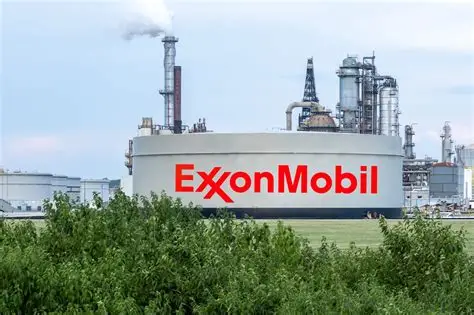
ExxonMobil has signed a preliminary deal to supply liquefied natural gas to the proposed Zululand Energy Terminal, which will become South Africa’s first LNG import facility once constructed, the companies announced Wednesday. The agreement supports South Africa’s strategic shift away from coal-fired plants, which currently generate roughly 80% of the national power supply, toward cleaner, flexible baseline energy sources. The deal advances ExxonMobil’s corporate goal to double its global LNG supply to over 40 million metric tons per annum by 2030, identifying South Africa as a priority market. The terminal, located at the east coast port of Richards Bay, is being developed by a joint venture consisting of Dutch firm Royal Vopak and state-owned Transnet Pipelines. Earlier this month, state power utility Eskom signed a long-term agreement with the terminal to secure fuel for its planned 3,000-megawatt gas-to-power plant project within the local industrial zone. Phase one of the terminal deployment will utilize a floating storage unit with a capacity up to 174,000 cubic meters, delivering 400 million standard cubic feet of gas daily. A planned second phase replaces the floating vessel with a 220,000-cubic-meter onshore storage tank, lifting total facility delivery capacity to 600 million standard cubic feet per day. The developers expect to reach a final investment decision later this year, using a new pipeline connection to link the import terminal directly into the inland Lilly Pipeline network.
South African Inflation Quickens to 4.5% in May on Surging Transport and Housing Costs
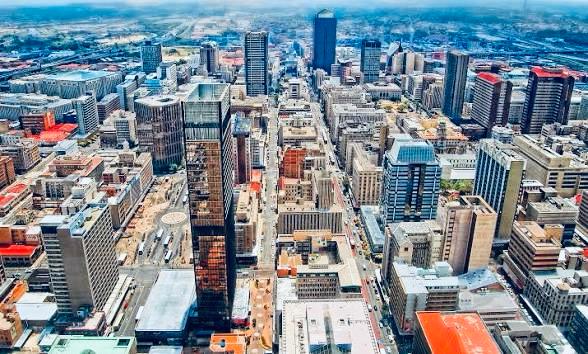
South Africa’s headline consumer price inflation accelerated to 4.5% year-on-year in May 2026, driven by rising transport and housing utilities costs, according to official data released by Statistics South Africa on Wednesday. The reading marks a sharp increase from the 4.0% annual inflation rate recorded in April 2026. On a month-on-month basis, the consumer price index climbed by 0.7% in May. Transport costs surged by 9.4%, contributing 1.3 percentage points to the annual rate. Housing and utilities rose by 5.3%, similarly adding 1.3 percentage points to anchor the broader inflationary pressure. Insurance and financial services grew by 5.7%, adding 0.6 percentage points. Tangible goods inflation accelerated significantly to 4.4% from 3.4% in April, while services inflation ticked up slightly to 4.7%. The 4.5% figure landed below the 4.7% market consensus. Analysts attributed the lower-than-expected print to subsiding food inflation, which helped cushion the impact of global energy shocks stemming from international conflicts. The acceleration moves headline inflation directly to the midpoint of the South African Reserve Bank’s preferred 3% to 6% target range, testing the central bank’s recent hawkish stance on monetary policy. The data follows the Reserve Bank’s decision last month to increase its main repo rate by 25 basis points to 7.0%, a preemptive strike aimed at anchoring long-term inflation expectations.
Amid 46% Youth Joblessness, Ramaphosa Rejects Migrant Blame for South African Economic Pain
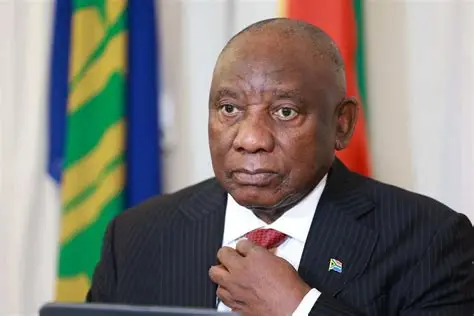
South African President Cyril Ramaphosa warned citizens against blaming migrants for the country’s economic crisis during a speech on Tuesday, insisting that foreign nationals must not become scapegoats for domestic structural failures. Speaking at the National Youth Day Commemoration in Johannesburg, Ramaphosa acknowledged widespread public frustration. He emphasized that the nation’s severe challenges are primarily internal issues that the government remains responsible for fixing. The president’s urgent warning follows a wave of intense anti-immigrant protests, which had seen Ghana, Nigeria and several other African countries repatriating their citizens back home. Indigenous Vigilante groups have aggressively set a looming June 30 deadline, demanding all undocumented foreigners immediately exit the country. The national crisis is fueled by a staggering 46% youth unemployment rate. South Africans face deteriorating public infrastructure, extreme wealth inequality, and a violent crime rate that ranks among the highest globally. “Addressing these challenges requires practical solutions, not the scapegoating of vulnerable people,” Ramaphosa said. While promising decisive government action against illegal immigration, Ramaphosa heavily criticized businesses. He accused employers of exploiting undocumented migrants by paying them sub-minimum wages, which directly undermines the domestic labor market. The socio-economic tension intersects with a fragile business trajectory. Although GDP grew 0.5% early this year, experts project full-year growth could drop below 1% due to declining household consumption, falling fixed investment, and renewed global inflationary pressures.
South Africa Business Sentiment Edges Up to 124.1 Amid Crude Oil Shock
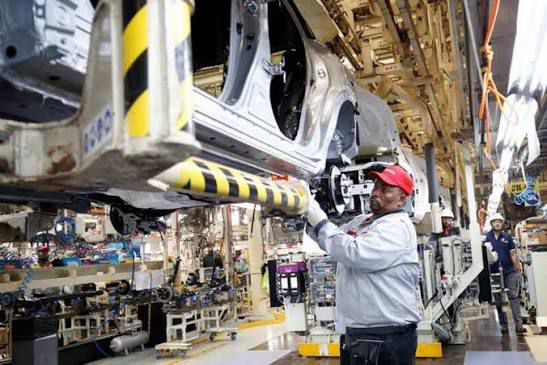
South African business confidence edged up to 124.1 in May, recovering slightly from a seven-month low in April, as firms adjusted to geopolitical crude oil price shocks. Data released Thursday by the South African Chamber of Commerce and Industry (SACCI) showed a modest 0.5-point month-on-month gain, clawing back some ground after a sharp 7.7-point plummet from March to April. Buoyant domestic new vehicle sales and robust merchandise export volumes served as the primary drivers behind the positive turnaround, overriding steep declines in overseas tourist numbers and mounting local inflationary pressures. External pressures linked to the Middle East conflict had initially spiked energy costs, but SACCI noted that negative corporate sentiment subsided in May as a steady rand exchange rate softened the global oil shock. The marginal rebound arrived amid a tightening domestic fiscal climate. The South African Reserve Bank recently implemented a 0.25 percentage point repo rate increase to anchor inflation, a move SACCI cautioned adds short-term pressure. Despite current financial volatility and a tougher private-sector operational climate, the May index remains resilient over the longer term, tracking a significant 8.3 index points higher than the levels recorded in May last year.
First Batch of 262 Nigerians Evacuated from South Africa Arrives in Lagos
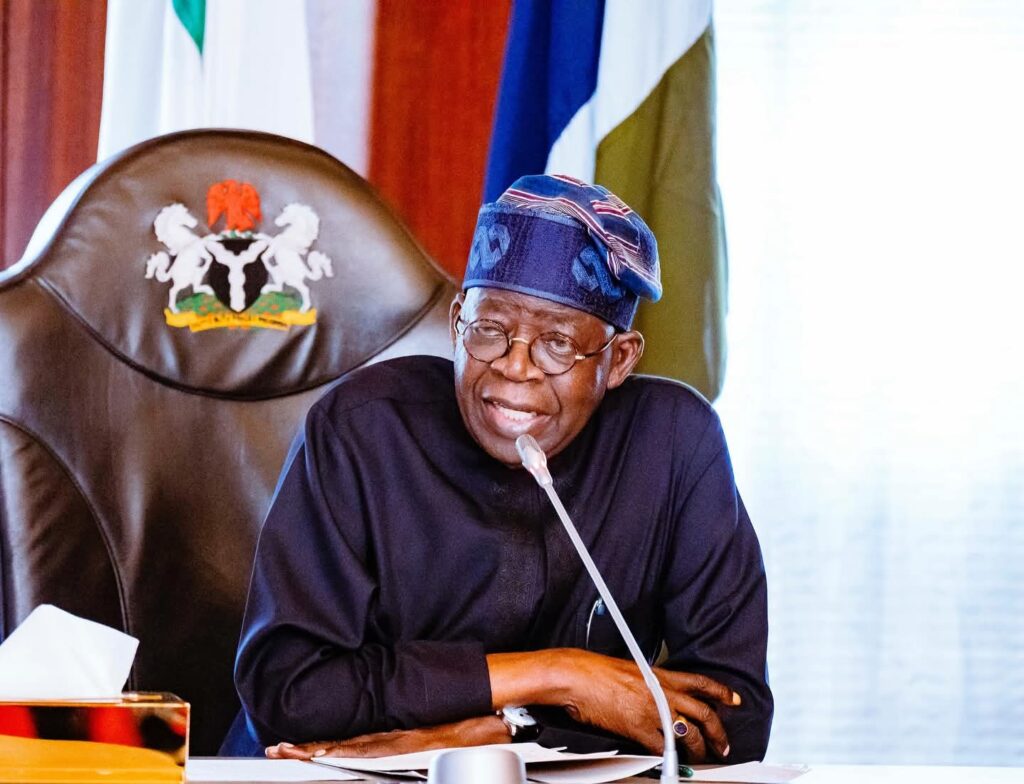
LAGOS – A total of 262 passengers and three officials arrived at the Murtala Muhammed International Airport in Lagos on Thursday, marking the first batch of Nigerians evacuated from South Africa due to violent anti-immigration protests. The Ministry of Foreign Affairs confirmed that the repatriated citizens landed aboard an Air Peace flight. The operation was launched to protect nationals facing immediate security threats from escalating xenophobic hostilities. Foreign Affairs Minister Bianca Odumegwu-Ojukwu stated that “President Bola Tinubu ordered the emergency evacuation.” The directive targeted imperiled citizens who consider their lives at risk by their continued stay in South Africa. The evacuation follows a series of intense anti-migrant demonstrations shaking South Africa since April. Local mobs have demanded the removal of foreign workers, accusing them of taking jobs amidst a 30 percent unemployment rate. Tensions escalated sharply after South African citizen groups issued a strict June 30 ultimatum for undocumented migrants to leave. This timeline triggered widespread anxiety across diaspora communities, prompting immediate emergency interventions. The federal government approved five evacuation flights to accommodate the crisis. To ensure maximum safety for affected residents, the Nigerian High Commission in Pretoria extended its voluntary repatriation screening exercise until June 14. Over 1,000 Nigerians have registered for the voluntary repatriation exercise so far. Inter-agency teams received the first batch of 262 returnees in Lagos to provide immediate profiling, trauma counseling, and reintegration support. Nigeria joins other African nations, including Ghana, Malawi, and Mozambique, currently evacuating citizens from South Africa. Diplomatic engagement continues between Abuja and Pretoria to secure the safety of nationals remaining in the country.
South Africa Economy Beats Forecast With 0.5% Q1 Growth Amid War Risks
South Africa’s real gross domestic product expanded by 0.5% in the first quarter of 2026, beating market expectations of 0.3%, according to official data released by Statistics South Africa on Tuesday. The positive performance marks the country’s sixth consecutive quarter of economic expansion, building on a revised 0.4% growth rate recorded in the final three months of 2025. Broad-based gains drove the expansion, with nine out of ten industries reporting growth. The finance, real estate, and business services sector led the momentum, expanding by 0.9% during the period. Agriculture, forestry, and fishing rebounded strongly by 3.9%, while the trade and transport sectors both grew by 0.7%. Mining output also rose on higher diamond and platinum group metal production. Conversely, manufacturing remained a major drag on the index, contracting by 1.0% to register its second straight quarterly decline, heavily weighed down by petroleum and chemical product divisions. Domestic demand showed underlying structural weakness as private sector fixed investment plummeted 4.9% quarter-on-quarter, prompting calls from opposition lawmakers for urgent structural reforms from economic ministers. Despite the positive headline print, Statistics South Africa warned that the domestic economic outlook remains clouded by escalating external geopolitical shocks in the Middle East. Officials noted the late February outbreak of the US-Iran war left Q1 data largely insulated, but predicted severe fuel price hikes would heavily impact second-quarter growth figures. The South African Reserve Bank recently delivered a defensive interest rate hike and lowered its full-year 2026 growth forecast to 1.2% to anchor rising inflation expectations. Economists project a sharp slowdown in subsequent quarters as compounding logistics costs, elevated interest rates, and soaring fuel prices pressure local consumers and depress broader business confidence.
Ramaphosa Vows Crackdown on Xenophobic Violence as Anti-Immigrant Sentiment Hits Record High
South Africa President Cyril Ramaphosa has announced a major state crackdown on groups fueling recent anti-immigrant violence. The decision comes as widespread civil protests continue to damage South Africa’s international reputation. “We will act against forces who are exploiting the concerns of our people about illegal immigration to further their own political, personal and criminal agendas,” Ramaphosa said during a nationally televised address on Sunday. Neighboring nations are swiftly evacuating their nationals. Ghana, Nigeria, Malawi, and Mozambique have initiated mass repatriations. Mozambique officially confirmed that five of its citizens were killed during the recent unrest. Ghana has petitioned the African Union to intervene. Meanwhile, West African leaders are warning of potential economic retaliation against South African companies operating across the continent. The unrest is driven by a massive wave of public hostility. Recent Human Sciences Research Council data shows outright hostility toward immigrants spiked from 28 percent in 2020 to 42 percent. This represents the highest level of anti-immigrant sentiment recorded since measurements began in 2003. Additionally, 77 percent of South Africans now explicitly link immigrants to rising crime rates. Vigilante groups, including a prominent movement called March and March, have led aggressive demonstrations. These groups have blocked streets, demanded identity documents, and restricted foreign access to healthcare. Ramaphosa condemned the vigilantes, labeling them opportunists using social media to exploit public anxiety. South Africa’s national unemployment rate remains stubbornly high at over 32 percent, fueling the crisis. The government is deploying a strict new National Action Plan. Measures include punishing employers who exploit undocumented workers and replacing old paper ID books with secure biometric digital cards. Furthermore, the state will fund drone surveillance along borders. Labor inspectors will increase significantly, and dedicated, fast-track courts will handle immigration cases to rapidly clear backlogs. Tensions remain high ahead of the upcoming local government elections. Experts warn political parties may further exploit this rising hostility to gain voter leverage, worsening the ongoing humanitarian crisis.
Fuel Shocks, Iran War Fears Drag South African Private Sector into May Contraction
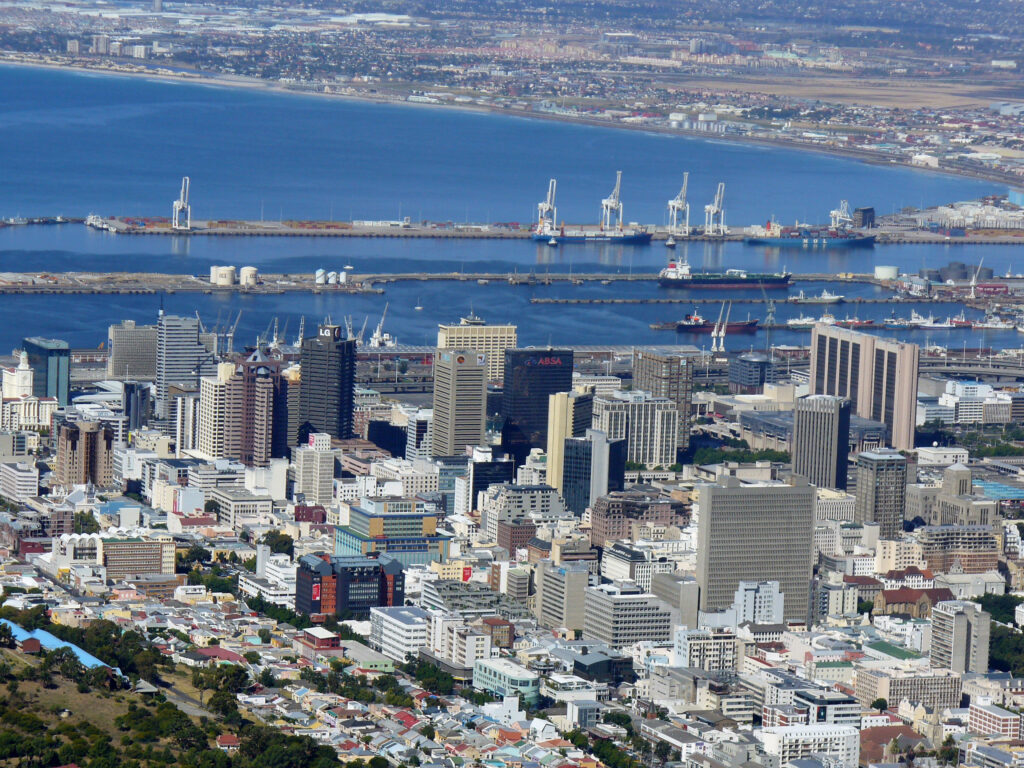
South Africa’s private sector activity contracted in May as output and new orders plunged under the weight of surging fuel prices and escalating geopolitical uncertainty surrounding the Iran war, a business survey showed on Wednesday. The S&P Global South Africa Purchasing Managers’ Index (PMI) fell below the critical 50.0 no-change threshold, dropping from April’s expansionary reading to signal a sharp reversal in the country’s economic momentum. Firms reported that escalating global tensions disrupted supply chains and stoked inflation. Rising operating costs forced businesses to hike selling prices, directly depressing domestic demand and causing clients to pull back on new orders. “The May survey highlights how vulnerable domestic demand remains to external shocks,” said David Owen, Senior Economist at S&P Global Market Intelligence. “Higher fuel prices and geopolitical anxiety squeezed corporate margins and chilled consumer spending.” The downturn coincides with a tough macroeconomic environment. Statistics South Africa recently reported that consumer inflation accelerated to 4.0%, driven by a 35.4% jump in diesel prices that heavily impacted local logistics. The South African Reserve Bank (SARB) has kept its benchmark repo rate steady at 8.25% to combat these persistent price pressures, further constraining borrowing and capital investment across the private sector. The manufacturing and construction sectors bore the brunt of the May slowdown. Managers noted that defensive stockpiling of raw materials, triggered by shipping delays, tied up critical cash reserves. Economists warn that the contraction threatens broader economic growth. High unemployment, which currently stands at 32.7%, leaves little room for the domestic economy to absorb sustained global supply shocks and elevated energy costs.
Mozambique Confirms Five Dead in South African Xenophobic Attacks
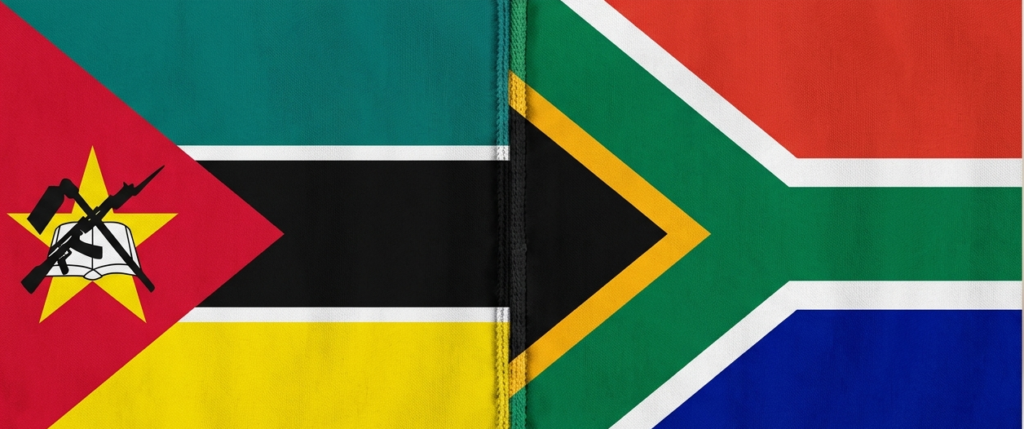
Five Mozambican nationals were killed during weekend anti-immigration violence in Mossel Bay, marking the first official fatalities linked to a new wave of xenophobic protests sweeping across South Africa. According to a Mozambican government press office statement, roughly 800 of its citizens were caught in the southern coastal town’s unrest, which broke out on Friday following a march against undocumented immigrants. Two additional Mozambicans died in a road accident while fleeing. The statement warned that the situation remains volatile, adding that “given the volatility… a worsening of the current situation is expected.” The violence erupted ahead of an unofficial June 30 deadline set by citizen-led vigilante groups demanding the expulsion of all irregular migrants, sparking widespread panic among foreign worker communities nationwide. The escalating crisis has forced regional governments to intervene. Ghana repatriated 300 citizens last week, while Nigeria, Kenya, and Zimbabwe issued urgent safety advisories warning their nationals to exercise extreme caution. South African authorities are facing intense regional pressure. Ghana has formally requested a debate on the attacks at the upcoming African Union Mid-Year Coordination Summit in Cairo, scheduled for June 24. South African police confirmed they are investigating the assault deaths of two men in a Mossel Bay informal settlement, though they have not officially verified the victims’ nationalities or protest links. Mossel Bay Mayor Dirk Kotze expressed “deep concern and dismay at the current xenophobic attacks where people have been murdered, houses burned and families displaced,” as emergency repatriations commenced. Analysts state the unrest reflects deep-seated economic anxieties regarding soaring domestic unemployment and crime. Political factions are actively weaponizing anti-migrant sentiment to garner public support ahead of South Africa’s November local government elections. South Africa’s Department of International Relations and Cooperation stated it is improving immigration management capacity, noting, “We should never allow the legitimate concerns of our communities about illegal migration to breed prejudice.”