

Exchange Rate Stability: Zimbabwe’s Annual Inflation Cools to 2.9% in August

Zimbabwe’s annual inflation rate cooled to 2.9% in August 2026, marking a second consecutive monthly decline driven by sustained foreign exchange stability, official figures showed. According to data released by the Zimbabwe National Statistics Agency (ZimStat) on Wednesday, monthly consumer prices edged up by 0.1%, matching July’s pace, while annual inflation slowed from 3.2%. The continuous easing highlights a stabilizing macroeconomic environment following years of severe currency volatility, supported by tight monetary and fiscal interventions implemented by monetary authorities. “Zimbabwe has reached a 50.1 percent weighted progress score on the conditions required to transition from the multicurrency to a mono-currency regime,” said Reserve Bank of Zimbabwe Governor John Mushayavanhu. He noted, however, that the benchmark score does not signify an immediate, abrupt phase-out of foreign currencies co-circulating within the domestic market. The August drop extends an eight-month streak of single-digit annual inflation since January 2026, pushing the local ZiG currency inflation rate to historic post-independence lows. US dollar-denominated monthly inflation fell to 0.0% in August from 0.3% in July, while the annual US dollar inflation benchmark remained unchanged at 3.1%. The central bank projects annual ZiG inflation to average around 5% by year-end, provided monthly price movements remain safely below the 1% threshold. Maintaining single-digit inflation for 24 consecutive months remains a core requirement before Zimbabwe fully transitions away from its current multi-currency framework.
Zimbabwe Launches Historic Blueberry Exports to China Following Tariff Removal

Zimbabwe has commenced its first-ever blueberry exports to China, following a phytosanitary standards protocol agreed upon last September, according to the Horticultural Development Council (HDC) on Tuesday. The breakthrough comes as Zimbabwe leverages Beijing’s zero-tariff policy for 53 African nations, which took effect on May 1, 2026, giving local farmers duty-free access to the world’s fastest-growing fruit market. “This initial shipment marks a historic milestone for our agricultural sector,” an HDC official stated, noting that the trade opening will diversify export destinations away from traditional European and British markets. Zimbabwe is Africa’s third-largest blueberry producer, trailing only Morocco and South Africa. Local growers have rapidly expanded cultivation to meet international demand, positioning the country as a major southern hemisphere supplier. National blueberry production is projected to reach 12,000 metric tons from 850 hectares by the end of 2026, a significant increase from the 9,500 tons harvested across 650 hectares last year. To secure access, Zimbabwean producers must satisfy strict General Administration of Customs of China (GACC) rules, including rigorous monitoring for Mediterranean fruit flies and specific white wax scale pests. Exporters must also comply with mandatory cold chain protocols, requiring fruit pulp core temperatures to remain at or below 1.11°C for 15 consecutive days before delivery to kill potential larvae. Alternatively, air freight consignments require authorized methyl bromide fumigation prior to departure, forcing local logistics firms to upgrade their handling facilities to ensure seamless compliance with Beijing’s biosecurity mandates. The HDC indicated that immediate industry focus shifts to testing these complex supply routes and securing long-term capital to scale domestic cultivation to a targeted 1,500 hectares by 2028.
Zimbabwe State Miner Secures Funding to Double Gold Output to 220,000 Ounces by 2029
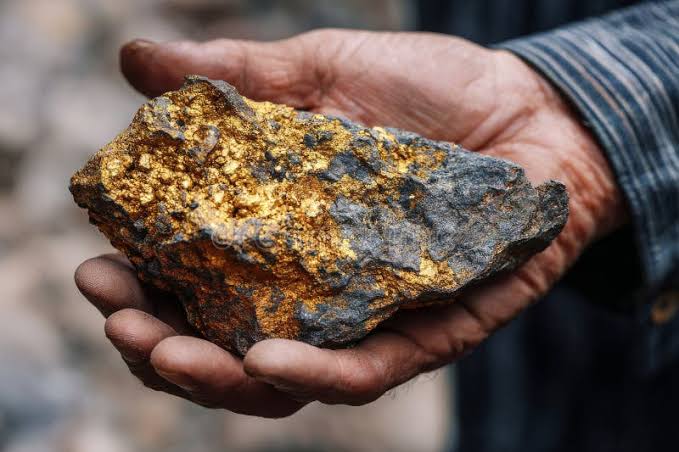
Zimbabwe’s state-owned Mutapa Gold Resources plans to double its annual output to 220,000 ounces by 2029 after securing crucial funding for a multi-asset expansion project, official production reports revealed Friday. The state-backed miner has raised $75 million from local Zimbabwean commercial banks to fund the first phase of the expansion, while active negotiations continue with international lenders for an identical $75 million tranche. Capital from the initial $150 million funding package will primarily target the Shamva Hill open-pit project, driving its standalone annual gold production from 24,000 ounces to nearly 80,000 ounces starting August 2026. The aggressive expansion follows a 10% year-on-year drop in Mutapa’s output to 104,626 ounces for the fiscal year ending March 31, a decline management attributed to depleting surface ore grades. Remaining resources will optimize recovery plants at the flagship Freda Rebecca mine, expand capacity at Jena Mine in late 2026, and integrate registered small-scale artisanal mining output into state supply lines. This state-level scaling aligns with a broader national push to generate foreign exchange liquidity. Gold remains Zimbabwe’s primary economic anchor, accounting for 47.5% of total national export earnings in 2025. Surging global bullion prices boosted Zimbabwe’s first-quarter gold export revenue to $1.19 billion, nearly doubling the $579 million recorded during the same period last year, according to central bank data. Mutapa’s infrastructure upgrade underpins a national target to lift total gold production to a record 50 metric tons, up from the 46.7 tons registered during the previous calendar year.