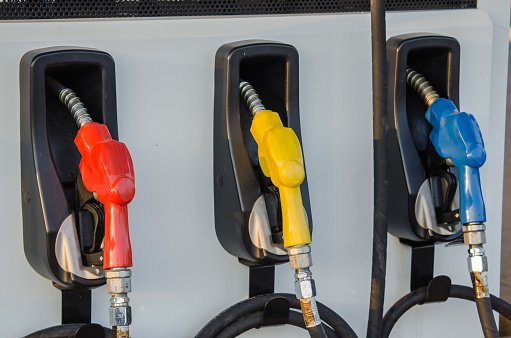

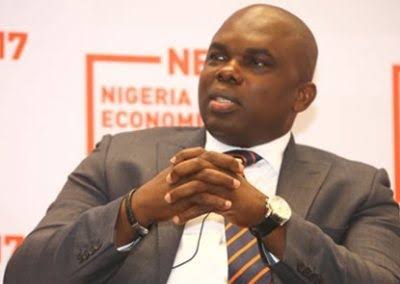
Nigeria is once again locked in a high-stakes economic tug-of-war. What was widely declared a closed fiscal chapter—the removal of the decades-long premium motor spirit (PMS) subsidy—continues to dominate public discourse as rising inflationary pressures and living costs stoke debates around policy reversal.
While the west African oil producer moves closer to its January 2027 general election, Atiku Abubakar, Former Nigerian vice president and presidential candidate for the opposition party, the Africa Democratic Congress (ADC), is promising to return fuel subsidy to the country upon being elected.
However, delivering a robust macroeconomic reality check during a featured appearance on Channels Television’s, renowned economist and Chief Executive Officer of ThinkBusiness Africa, Dr. Ogho Okiti, issued a clear warning: returning to fuel subsidies would be disastrous for Nigeria’s economic future.
The Most Consequential Economic Epoch
Contextualizing the structural shifts recorded since mid-2023, Dr. Okiti characterized the past three to four years as the most critical period in Nigeria’s modern economic history. Across multiple administrations and spanning nearly four decades, successive governments grappled with the unsustainable fiscal burden of PMS subsidies.
Yet, key political leadership repeatedly shrank back from decisive market correction out of fear of social backlash and political fallout.
Okiti observed that much of the public and political discourse remains trapped in a narrow, short-term perspective. By focusing exclusively on immediate pain, many fail to recognize the severe opportunity cost of the subsidy era—a system that systematically drained national revenue and crippled foundational infrastructure.
“For over 40 years that we had that subsidy, what we did not know was the counterfactual… We destroyed our education system, we destroyed our healthcare system, we destroyed our roads and critical infrastructure because money that should have gone into these vital sectors was consistently siphoned to subsidize petrol consumption.” Dr. Ogho Okiti said during the interview.
For more than four decades, artificial price caps systematically starved the domestic energy landscape of essential private capital. National refineries deteriorated into complete operational paralysis, converting Nigeria—Africa’s leading crude oil producer—into a total importer of refined petroleum products.
Shielding Industrial Investments & Local Refining
A central pillar of Dr. Okiti’s thesis is that reinstating fuel subsidies would immediately compromise major domestic energy investments—most notably multi-billion-dollar private refining assets like the Dangote Petroleum Refinery.
He emphasized that commercial operators could not have survived or expanded under a price-controlled regime.
- Commercial Viability: Domestic refining ventures were built on deregulation and market-driven pricing models. Reintroducing price controls would destroy their operating margins and debt-servicing capability.
- Smuggling & Cross-Border Subsidization: Capped pump prices would instantly reactivate cross-border smuggling networks, subsidizing energy consumption in neighboring nations at the expense of Nigerian taxpayers.
- Foreign Direct Investment (FDI) Stagnation: Policy reversals signal regulatory instability, causing foreign institutional investors to withhold capital across energy, industrial, and infrastructure sectors.
Structural Alignment: FX & Energy Deregulation
Addressing the critical interplay between foreign exchange dynamics and fuel pricing, Dr. Okiti underscored that energy market deregulation cannot be separated from exchange rate unification. In an open economy, fuel pump prices naturally adjust to international crude oil benchmarks and currency valuations. Re-imposing subsidies would force the Central Bank of Nigeria back into artificial currency allocation, recreating market distortions and multi-tier FX windows.
Key Policy Takeaways
- Fiscal Sustainability: Removing subsidies frees up trillions of Naira to rebuild social infrastructure, basic education, and healthcare.
- Refining Independence: Market pricing guarantees local refining capacity, job creation, and long-term energy security.
- Macroeconomic Stability: Resisting policy reversal maintains investor confidence and structural alignment across FX and capital markets.
The Path Forward: Sustaining Reforms for Long-Term Growth
While acknowledging the real economic pain currently felt by households and small enterprises, Dr. Okiti insisted that policy reversal is not the solution. Instead, government should be more fiscal disciplined and strategic interventions must focus on targeted social safety nets, mass transit infrastructure expansion, and boosting domestic productivity.
“It is that indisciplined fiscal process that is the reason why, whether it is subsidy or exchange rate reforms, if we keep increasing government revenue without fixing how we spend, we will not see the effect on ordinary Nigerians.” He said.
Rebuilding Nigeria’s economic foundation requires steadfast commitment to structural reforms. Returning to fuel subsidies would sacrifice long-term sovereign solvency for short-term relief, undoing hard-won progress toward a self-sustaining economy.