
Uganda’s annual headline inflation rate accelerated for the fifth consecutive month to reach 4.1% in August 2026. This represents the highest reading since June 2023, up from 4.0% in July.
Data released by the Uganda Bureau of Statistics shows that core consumer goods and rising food crop prices primarily drove the August price increase across domestic markets.
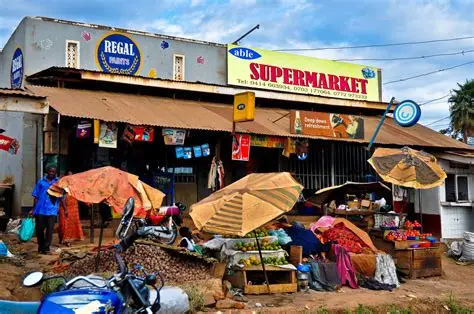
Food crop inflation climbed to 2.1%, driven by higher costs for staples like matooke and Irish potatoes. Core inflation also edged upward to 3.5% due to rising prices for rice and maize flour.
Offsetting some upward momentum, monthly energy, fuel, and utility inflation cooled sharply to 0.2%. Meanwhile, overall services inflation slowed to 4.5% as international airfare price increases moderated.
Historically, Uganda’s inflation rate averaged 5.64% between 1998 and 2026. The current reading remains well below the all-time high of 24.40% in November 2011 and above the record low of -5.36% in November 2001.
Despite five consecutive increases, overall price growth remains under the Bank of Uganda’s official 5.0% medium-term target threshold. This gives central bankers leeway to preserve current monetary policy settings.