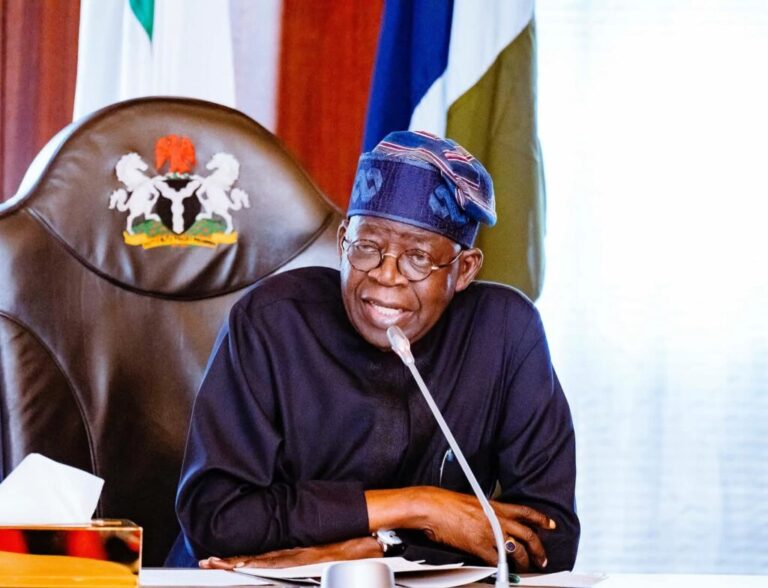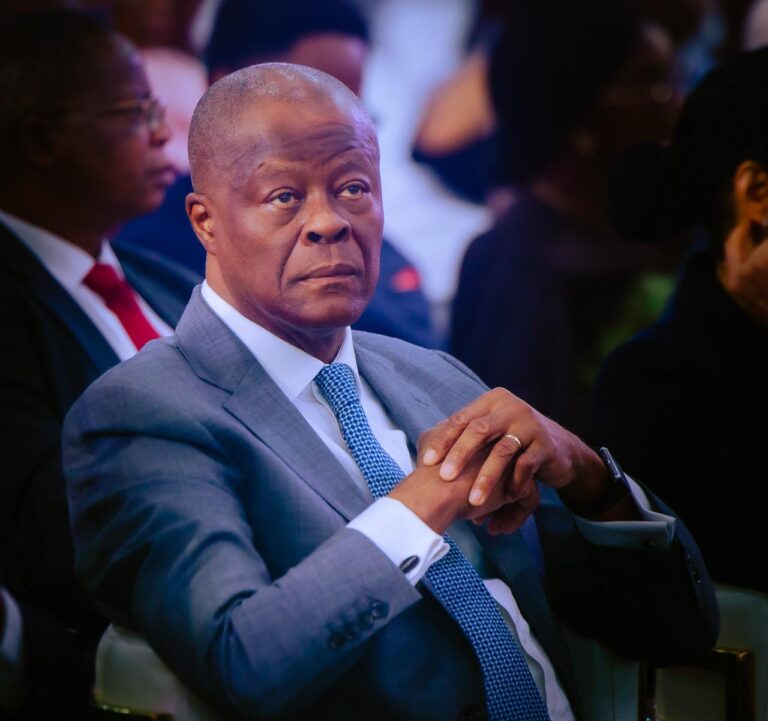

Kenyan President William Ruto said Africa must capture more of the value created by artificial intelligence or risk a new era of technological dependence.
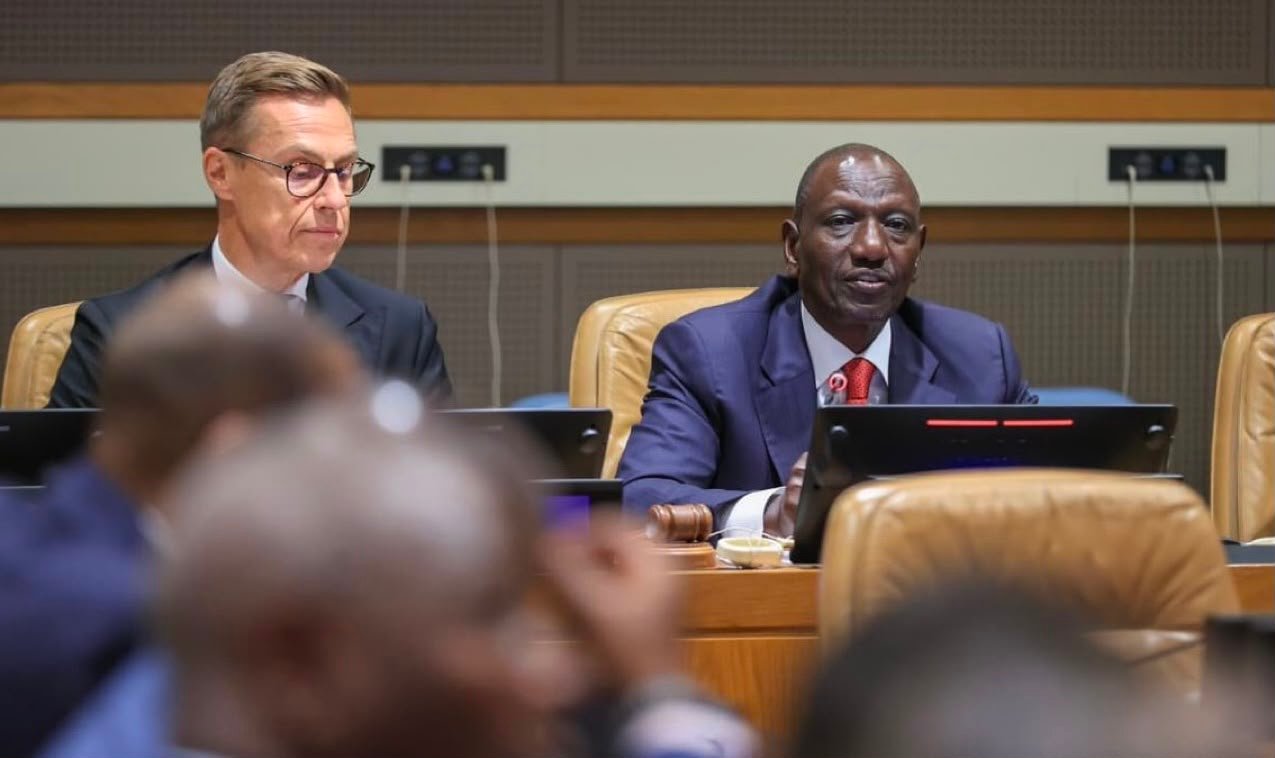
The remarks were posted Tuesday on his official X account after he co-chaired a High-Level AI Middle Powers Coalition meeting with Finland’s President Alexander Stubb at UNGA 81 in New York.
“The AI era must expand the ability of nations to shape their own future, not create new forms of technological dependency,” Ruto wrote.
He said no country can alone secure the infrastructure, skills, research and governance that advanced AI now requires.
Kenya is pairing that diplomacy with a National Artificial Intelligence Strategy 2025–2030, publicly costed at about KSh 152 billion, or $1.17 billion.
The plan targets digital infrastructure, data governance, research, innovation and commercialisation, including AI-ready data centres and 1,450 digital hubs.
“For Africa, the priority is to capture more of the value created by AI through harnessing our energy, resources, data and talent,” Ruto said.
At the New York meeting, themed “Shared Sovereignty in the AI Era,” he warned that political independence can hollow out if computing, models and standards sit elsewhere.
“Political sovereignty without technological agency risks becoming sovereignty in law but dependency in practice,” he said on the sidelines of the assembly.
He added: “Africa cannot provide the minerals, energy, data, content, and talent of the AI revolution, only to import the resulting intelligence at a premium.”
The AI Middle Powers, or AIM, Initiative is framed as a voluntary pool of finance, computing, data and talent among countries that cannot control the full AI stack alone.
Ruto said the first focus would be finance, trusted infrastructure and the capacity to build, evaluate and govern systems.
The pitch lands as Kenya also joined Canada, Brazil and the European Union in a separate “Partners for Multilateralism” grouping covering climate, supply chains and AI.
Power is the binding constraint. Peak demand hit a record 2,549 MW on 15 July 2026.
Installed capacity was 3,868.6 MW at December 2025, with geothermal the largest slice at 943.7 MW.
Kenyan Electricity Generator KenGen, with 1,786 MW installed, has pledged another 1,500 MW of green power over a decade as officials court data-centre load.
That gap between ambition and electrons is already political. Critics asked who will own African data, clouds, patents and language models if foreign firms still control the stack.
Ruto’s answer is coalition-building plus local strategy. Whether KSh 152 billion, scarce water and a tight grid can turn “mine to model” into operating capacity is the test after UNGA week ends.