
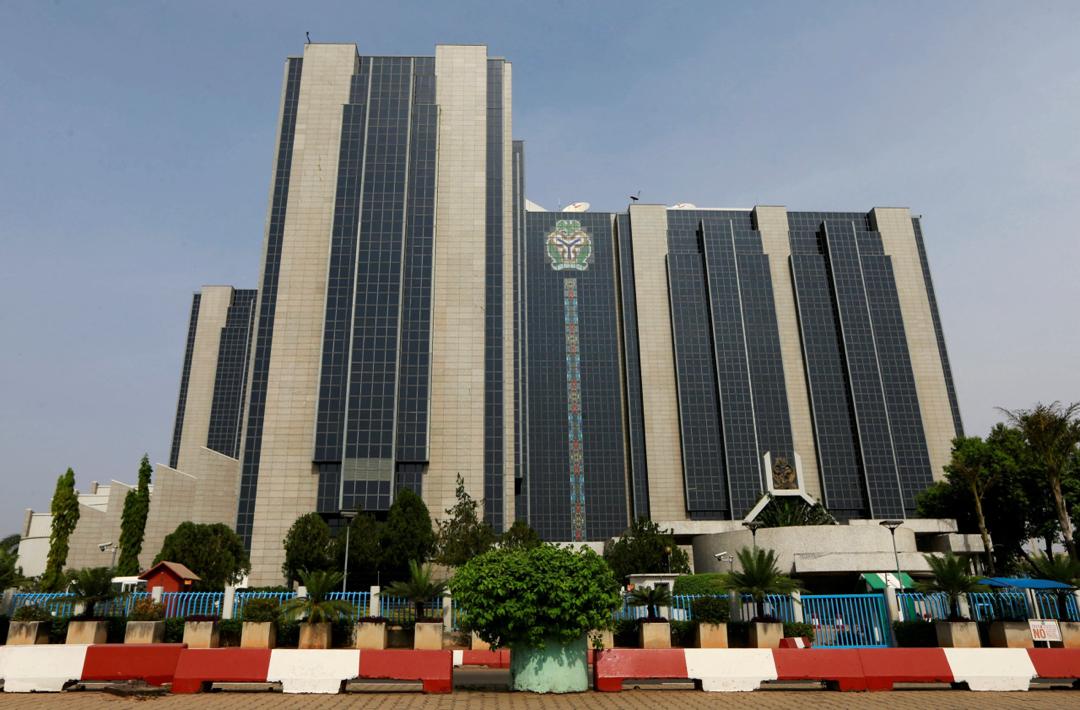
Nigeria’s Central Bank injected a net roughly N3.20 trillion (about $2.4 billion) into the banking system in October 2026 after repayments of maturing securities exceeded the amount raised through fresh auctions of short-term instruments.
The Central Bank of Nigeria (CBN) and the Debt Management Office repaid N10.69 trillion while raising N7.49 trillion via Open Market Operations (OMO) bills and Nigerian Treasury Bills (NTBs). Fresh issuance replaced only about 70% of funds returned to investors from October 2 to 29.
OMO auctions, the CBN’s main liquidity-management tool, raised N6.18 trillion against N6.71 trillion in maturities, leaving a net repayment of about N527 billion. Treasury bill sales of N1.31 trillion fell short of N3.985 trillion in repayments by roughly N2.68 trillion.
Investors bid N13.23 trillion across the six auctions, but authorities accepted only about 57% of the demand. One late-October Treasury bill auction allotted just N71.16 billion from nearly N1.91 trillion in subscriptions.
The October result reversed September, when the CBN absorbed a net N6.62 trillion through OMO sales alone. System liquidity has remained elevated into early November, with surplus balances recently near N7 trillion.
Banks continued placing large sums in the CBN’s Standing Deposit Facility rather than expanding loans. Short-term yields fell after the Monetary Policy Committee cut the policy rate to 23% in September. Recent Treasury bill stop rates settled near 15.4–15.8%.
The naira traded around N1,346–1,348 per dollar in the official market in early November, supported by CBN dollar sales and foreign reserves near $55 billion. The local stock market remains up strongly for the year.
The net injection measures the gap between specified maturities and new allotments, not necessarily money available for domestic lending. A significant share of OMO holdings is held by foreign investors, and banks have preferred parking surplus funds with the central bank.
Further yield declines or a return to heavier liquidity absorption will depend on upcoming auction sizes, inflation trends, and foreign-exchange pressures.