
Nigeria’s Central Bank and state oil company NNPC Limited signed a memorandum of understanding on Wednesday to improve foreign exchange inflows from oil and gas, strengthen energy financing, and advance development of hydrocarbon assets.
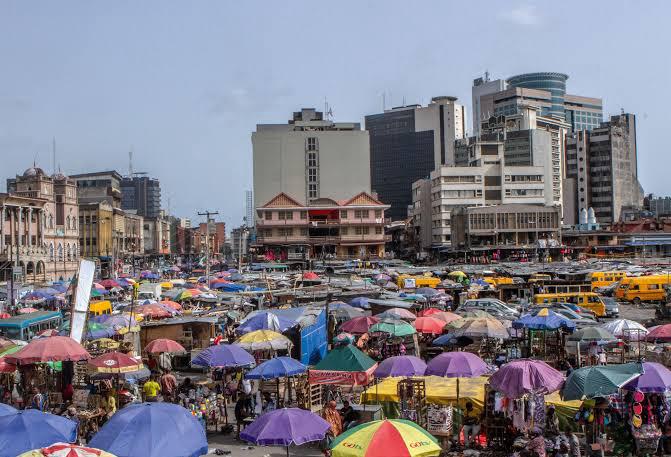
The agreement signed in Lagos formalises closer coordination between the two institutions on revenue management and project funding.
CBN Governor Olayemi Cardoso said predictable oil revenue inflows are essential for economic and currency stability. The bank already holds key NNPC foreign-currency accounts and will ensure timely settlement of proceeds into the Federation Account.
NNPC Group CEO Bayo Ojulari said the deal will improve management and repatriation of export proceeds. It also aims to help the company raise capital against its balance sheet and assets while aligning payments with CBN rules.
The pact covers energy-project financing, hydrocarbon-asset monetisation, payment automation, cybersecurity, and regulatory alignment. Joint working groups will monitor implementation against agreed performance indicators.
Gross external reserves stood at $54.87 billion on after falling $391 million in 16 days from a late-October peak of $55.26 billion. They remain about $9.3 billion higher than at the start of 2026.
The naira traded near N1,363 to the dollar in the official market and around N1,440–N1,445 in the parallel market in mid-November. The gap between the two windows has stayed near N80–N90.
Nigeria’s crude output has recovered to about 1.8 million barrels per day. NNPC is targeting two million barrels daily by 2027 and longer-term ambitions closer to three million as investment conditions improve.
The World Bank has noted a $12.4 billion “net errors and omissions” gap in Nigeria’s external accounts in the first half of 2026. It attributed part of the discrepancy to oil export proceeds that were not fully repatriated.
CBN Deputy Governor Emem Usoro said reserves above $55 billion have been supported by higher oil production and diaspora remittances. She expects the new agreement to strengthen export earnings and foreign-exchange inflows further.
Ojulari has previously disclosed that NNPC faced weak liquidity, challenged projects, and substantial loans when he took office in April 2025. Refinery operations were also generating large monthly losses at the time.
The MoU follows earlier directives under President Bola Tinubu requiring greater CBN visibility over oil revenue flows. NNPC is separately seeking a listing on the local stock exchange to improve transparency and governance.
Analysts say the practical impact will depend on whether automated systems and joint committees deliver more consistent dollar remittances. Higher production alone will not strengthen reserves if proceeds remain partially unrepatriated or delayed.
Nigeria continues to rely heavily on oil and gas for foreign-exchange earnings. Softer crude prices and elevated dollar demand contributed to the recent reserve dip even as year-to-date accumulation remains solid.
The agreement is intended to reduce the historical pattern of ad-hoc, crisis-driven cooperation between the monetary authority and the national oil company. Success would make oil-dollar inflows more predictable for both fiscal accounts and the foreign-exchange market.
Implementation timelines and accountability mechanisms have been agreed. NNPC’s Group Treasurer will oversee the company’s side of the partnership.