
Nigeria’s weekly foreign exchange turnover surged 36.59% week-on-week to $4.67 billion in the period ended November 20, 2026, marking the second-highest trading value recorded this year despite a sharp contraction in forward contracts.
Market data from the FMDQ Securities Exchange shows total transactions rose from $3.42 billion the preceding week, propelled entirely by immediate delivery trades as institutional buyers scrambled for liquidity ahead of year-end obligations.
Spot transactions climbed 43.08% to $4.64 billion, capturing 99.40% of total market volume compared to 94.89% a week earlier, while forward deals plunged 83.9% across all tenors.
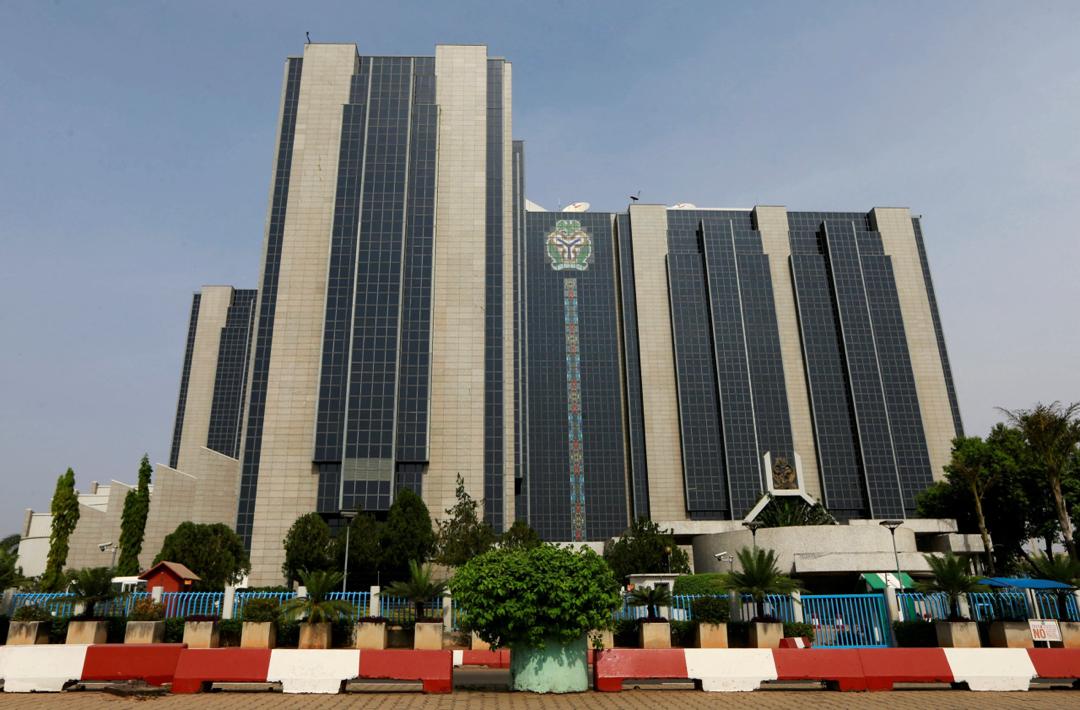
At the official Nigerian Foreign Exchange Market (NFEM), daily interbank turnover jumped 1,088% from $68.66 million on Monday to $815.57 million on Friday, forcing the Central Bank of Nigeria (CBN) to inject $1.30 billion.
Despite heavy central bank intervention, acute dollar demand pushed the naira down 2.50% or N34 over five straight sessions to close at N1,394/$, its weakest official finish in eight months.
Parallel market rates similarly depreciated 2.33% to close at N1,458/, while forward contracts weakened across the curve, with one-month quotes dropping 2.7% to N1,414.99/ and one-year contracts falling 2.0% to N1,597.57/$.
Gross external reserves dipped $211.92 million to $54.65 billion by November 19, tracking roughly $500 million below October’s peak as weekly foreign exchange inflows dropped sharply from $2.48 billion to $808 million.
Analysts link the spot-heavy demand to foreign portfolio exits ahead of pre-election uncertainties and festive import pressures, alongside tightened banking system liquidity, which fell from N7.37 trillion to N4.47 trillion.
The currency pressure unfolds as the CBN’s Monetary Policy Committee convenes November 23–24, balancing October’s inflation moderation to 14.06% against an anticipated 25-basis-point rate hike by the United States Federal Reserve.