

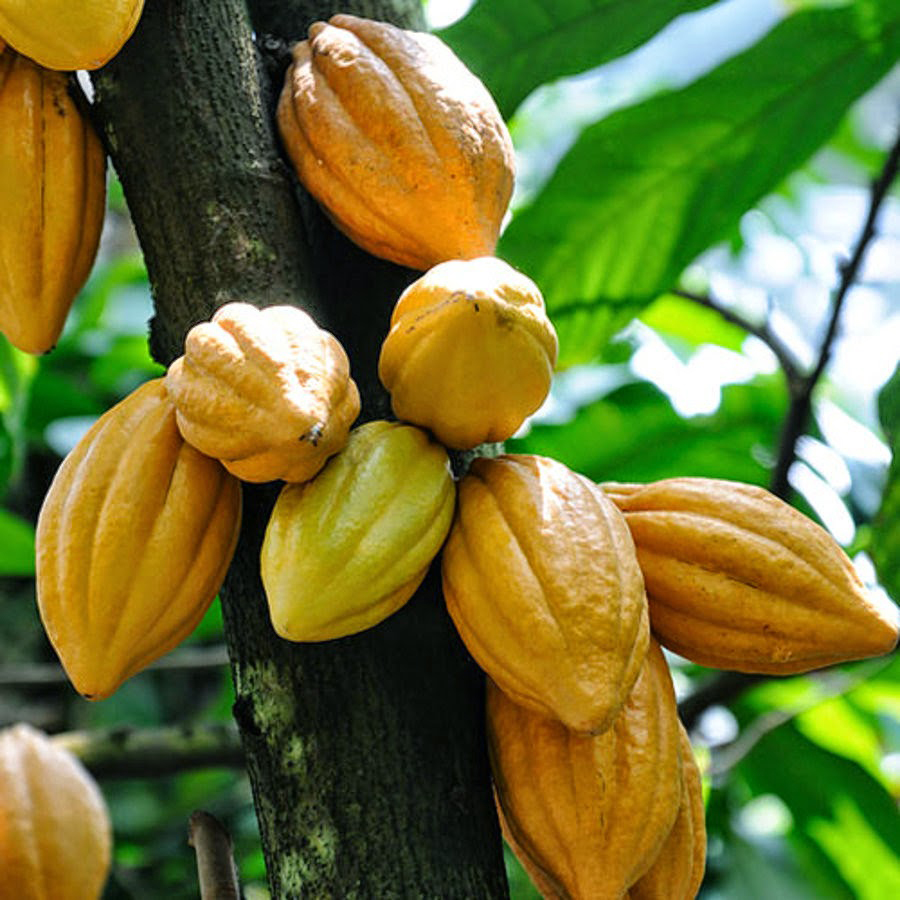
Ghana’s cocoa bean production is projected to decline by at least 16 percent during the upcoming 2026/2027 harvest season, threatening supply stability for global chocolate manufacturers and commodity traders.
Market regulator Ghana Cocoa Board (COCOBOD) disclosed the forecast, confirming earlier warnings from farmer associations regarding severe environmental and biological disruptions across primary growing belts.
Heavy rainfall during May and June, linked to El Niño weather patterns, caused widespread flower dropping and drastically reduced young pod counts across key agricultural districts.
The Western and Western North regions, which account for over half of Ghana’s total output, faced the worst losses from excessive moisture and reduced sunlight.
The persistent spread of Cocoa Swollen Shoot Virus Disease (CSSVD) and black pod fungal infections continues to weaken yields from aging trees in core farming hubs.
Encroachments from illegal gold mining and rubber plantation expansions have also permanently removed thousands of productive hectares from active cultivation across rural communities.
The upcoming slump follows a projected output of 650,000 metric tonnes for the 2025/2026 season, supported by recent price framework adjustments guaranteeing farmers 70 percent of world market rates.
To cushion the impact, COCOBOD has accelerated infected farm rehabilitations, resumed free fertilizer distribution, and stepped up spraying programs ahead of the September 1 season opener.
Ghana and Côte d’Ivoire recently synchronized their crop calendars and dollar-indexed farm-gate pricing mechanisms to reduce cross-border smuggling and manage regional supply shocks.
With Côte d’Ivoire facing similar weather disruptions, reduced West African harvests could trigger renewed price volatility in international cocoa futures through late 2027.