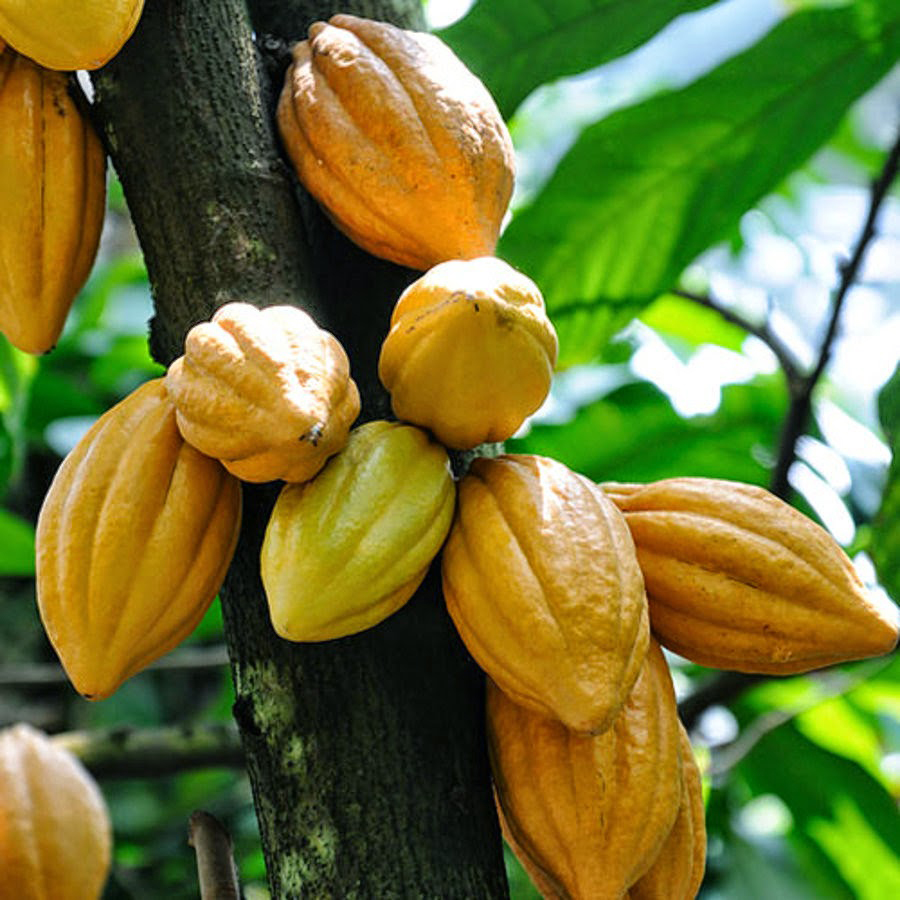
Ghana’s cocoa regulator has raised 3.39 billion cedis ($288.02 million) in short-term domestic debt, giving it cash to restart purchases from farmers after the 2026/27 season opened without full buyer financing.
Auction results shared by Cocoa Capital, the vehicle that issued the paper, show the sale priced at 11% and matures in June 2027.
The issue, sold on Monday, missed a 4 billion cedi ($339.85 million) target by about 610 million cedis, or roughly $52 million, at the 11.77 cedi-to-dollar rate used in the results.
Proceeds are expected to go to licensed buying companies, which purchase beans from farmers and had warned they would not fund the crop with their own capital.
Ghana opened the season on 25 September. Buyers said they would not wait months for repayment from the Ghana Cocoa Board (COCOBOD).
This is the first of three planned tranches under a 16.3 billion cedi ($1.38 billion) domestic programme. Later sales are targeted at 4 billion and 6 billion cedis.
About 14 billion cedis is earmarked as commercial paper for purchases this season. A further 2.3 billion cedis is planned in longer bonds to refinance legacy debt.
The shift follows the collapse in 2023/24 of a syndicated loan with international banks that had funded purchases since the 1992/93 season. A later trader-financing arrangement also failed.
COCOBOD set the 2026/27 producer price at 42,400 cedis a tonne, or 2,650 cedis per 64-kilogramme bag, equal to 71.18% of realised free-on-board value.
That is 1,008 cedis a tonne above the 2025/26 price of 41,392 cedis. The new Cocoa Board Act guarantees farmers at least 70% of gross FOB.
Before the sale, the Chamber of Cocoa Marketers put unpaid obligations to buyers at nearly 4 billion cedis ($348 million), warning that arrears could choke credit for the new crop.
COCOBOD has said farmers themselves are not owed, and that buyer balances reflect under-recoveries after farmgate prices stayed high while export realisations weakened.
Provisional 2025/26 output reached about 771,000 tonnes, above an initial 650,000-tonne forecast and up from 603,840 tonnes in 2024/25. Some 2026/27 estimates are lower.