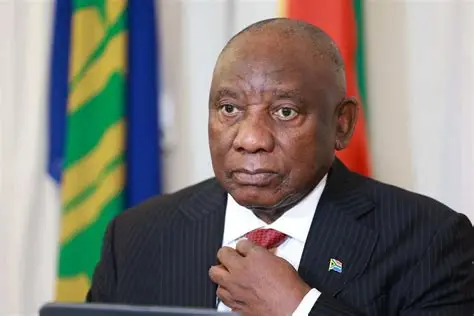
South Africa President Cyril Ramaphosa has announced a major state crackdown on groups fueling recent anti-immigrant violence. The decision comes as widespread civil protests continue to damage South Africa’s international reputation.
“We will act against forces who are exploiting the concerns of our people about illegal immigration to further their own political, personal and criminal agendas,” Ramaphosa said during a nationally televised address on Sunday.
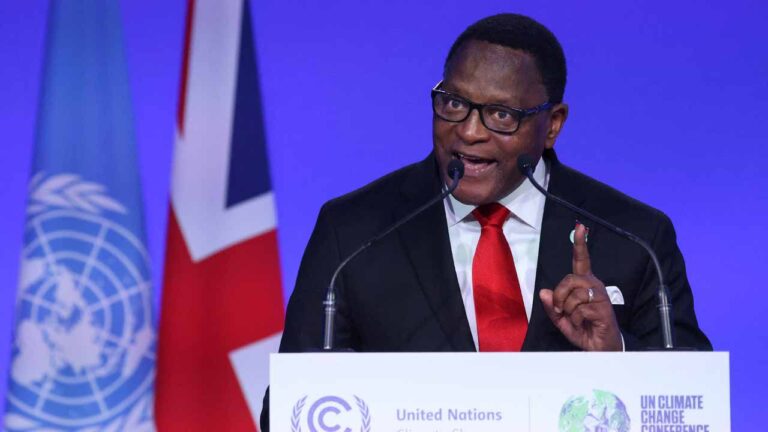
Neighboring nations are swiftly evacuating their nationals. Ghana, Nigeria, Malawi, and Mozambique have initiated mass repatriations. Mozambique officially confirmed that five of its citizens were killed during the recent unrest.
Ghana has petitioned the African Union to intervene. Meanwhile, West African leaders are warning of potential economic retaliation against South African companies operating across the continent.
The unrest is driven by a massive wave of public hostility. Recent Human Sciences Research Council data shows outright hostility toward immigrants spiked from 28 percent in 2020 to 42 percent.
This represents the highest level of anti-immigrant sentiment recorded since measurements began in 2003. Additionally, 77 percent of South Africans now explicitly link immigrants to rising crime rates.
Vigilante groups, including a prominent movement called March and March, have led aggressive demonstrations. These groups have blocked streets, demanded identity documents, and restricted foreign access to healthcare.
Ramaphosa condemned the vigilantes, labeling them opportunists using social media to exploit public anxiety. South Africa’s national unemployment rate remains stubbornly high at over 32 percent, fueling the crisis.
The government is deploying a strict new National Action Plan. Measures include punishing employers who exploit undocumented workers and replacing old paper ID books with secure biometric digital cards.
Furthermore, the state will fund drone surveillance along borders. Labor inspectors will increase significantly, and dedicated, fast-track courts will handle immigration cases to rapidly clear backlogs.
Tensions remain high ahead of the upcoming local government elections. Experts warn political parties may further exploit this rising hostility to gain voter leverage, worsening the ongoing humanitarian crisis.