

Oil Prices Retreat below $100 as Iran Signals Openness to Ongoing Diplomacy

Global crude benchmarks retreated on Thursday, sliding from a 4% jump in the prior session. The downward shift followed Iranian signals regarding potential diplomatic pathways to resolve the ongoing conflict with the United States. Tehran remains open to dialogue despite significant gaps remaining between the two nations regarding terms to end hostilities. Brent crude futures dropped 0.9% to $102.13 a barrel. Meanwhile, West Texas Intermediate eased 0.7% to trade at $91.56 a barrel. The market slide also reflects broader inventory pressures. Recent data indicates an unexpected build in U.S. crude stockpiles, alongside ongoing trader assessments regarding regional export corridors.
Kenya sets Sept. 30 groundbreaking for $15bn Lamu oil refinery

Kenyan Deputy President Kithure Kindiki said construction of the East Africa Refinery in Lamu will begin next Wednesday, 30 September 2026, with President William Ruto leading the ceremony. The announcement, from Kindiki’s briefing, said invited East African and other heads of state will attend the launch. Kindiki called the Dangote-backed plant a landmark project that would unlock Lamu and Coast economies, create more than 50,000 jobs and advance Kenya’s industrialisation. The facility is planned at about 700,000 barrels a day, among the largest single-train refineries in Africa, with crude expected from Kenya, Uganda, South Sudan and the DRC. Project cost estimates range from $15 billion to $17 billion, or roughly KSh 1.9 trillion to KSh 2.2 trillion, according to government and investor briefings this year. East African states have been offered a combined 30% equity stake. Kenya has indicated a 10% holding, while Rwanda and Ethiopia have shown interest. Kindiki said the refinery should ease foreign-exchange pressure from fuel imports and support Kenya’s expected start of commercial oil production later this year. The date follows talks on 21 September in New York, where Ruto met Aliko Dangote and Africa Finance Corporation chief Samaila Zubairu on financing and final preparations. Ruto said Kenya was ready to break ground on a project meant to deepen regional value addition, energy security and industrial supply chains. Lamu was chosen after earlier speculation about Tanzania or Mombasa, partly because of LAPSSET corridor links and the new Lamu Port. Local leaders have welcomed the investment but demanded priority for Lamu youth in jobs and contracts. Environmental groups warn of risks to marine habitats and nearby Lamu Old Town. Construction is expected to take several years if financing, land, pipelines and marine terminals stay on schedule. The government has already assigned Kindiki to coordinate state agencies with private investors.
Oil Slips to One-Week Lows on UN Diplomacy Hopes and Saudi Supply Recovery
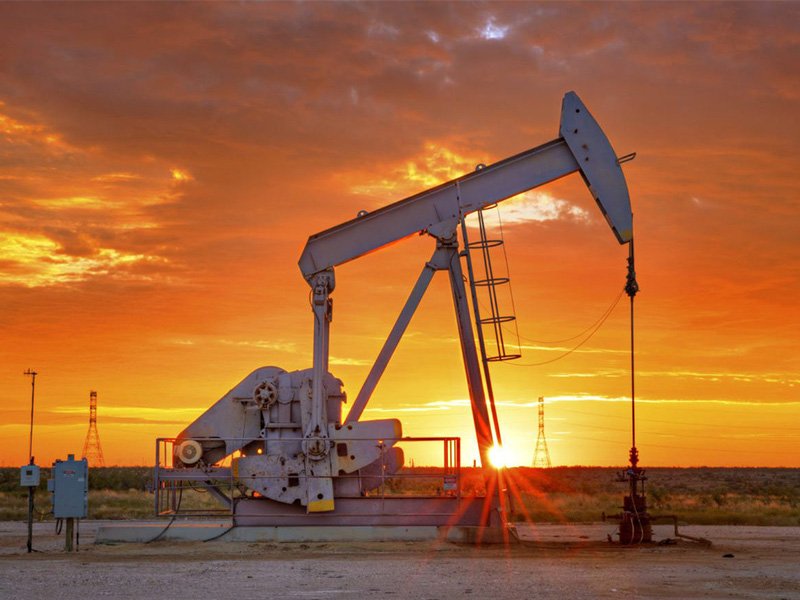
Global crude oil benchmarks tumbled to their lowest levels in over a week on Monday, pressured by rising optimism surrounding diplomatic efforts at the United Nations (UN). Brent crude futures fell $2.16 to $101.71 a barrel, while U.S. West Texas Intermediate dropped $2.15 to $98.15. The sell-off reflects easing market jitters following a partial recovery in Saudi export shipments, despite persistent regional threats from Yemen’s Houthi movement. This downward pressure extends a recent correction from multi-month highs triggered earlier in the month by pipeline sabotage and chokepoint tensions. Energy markets remain highly volatile as traders weigh Middle Eastern supply risks against potential diplomatic breakthroughs aimed at de-escalating regional conflicts.
Oil Prices Ease on Oman Cargo Boost Amid Middle East Tensions
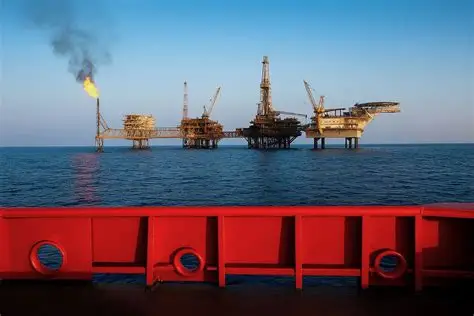
Brent crude fell 0.2% to $105.64 a barrel, while WTI dropped 0.3% to $102.10. Both benchmarks extended losses following a sharp $3 drop. According to Reuters, Saudi Arabia offered extra crude cargoes via Oman, easing immediate supply disruption fears. Despite the mitigation efforts, valuations remained above the $100 threshold. This pricing floor persists as ongoing geopolitical friction in the Middle East stokes widespread anxiety over regional transit corridors. Traders are also weighing broader macroeconomic indicators, including recent central bank monetary adjustments and fluctuating foreign exchange reserves. Meanwhile, analysts continue monitoring domestic energy demand trends and regional inventory reports to gauge near-term market stability.
Oil Prices Slide on Unexpected U.S. Inventory Build Amid Middle East Supply Fears
Oil prices declined on Wednesday following an unexpected build in U.S. crude inventories, easing severe market pressures. Brent crude futures fell 93 cents to $107.82 a barrel, while U.S. West Texas Intermediate dropped 97 cents to $104.86 a barrel. The downward movement counterbalanced persisting anxiety. Saudi Arabia recently suspended oil loadings at its Yanbu port after a strategic pipeline attack disrupted regional crude flow. Geopolitical tensions have heavily impacted global energy markets this year. Ongoing disruptions across Middle Eastern trade routes continue to drive heightened volatility and elevate risk premiums worldwide. Despite the recent price retreat, analysts warn that structural supply deficits could quickly reverse market gains if regional export terminals remain offline.
Oil Prices Extend Gains Amid Saudi Pipeline Outage and Gulf Shipping Risks
Crude benchmarks climbed further on Tuesday as persistent supply anxiety gripped global markets following infrastructure attacks that left Saudi Arabia’s vital East-West pipeline offline. According to market data, Brent crude futures rose $1.37 to $107.05 a barrel. Meanwhile, U.S. West Texas Intermediate advanced to $102.92 per barrel. The prolonged pipeline closure severely restricts the kingdom’s capacity to bypass regional maritime bottlenecks. Escalating geopolitical tensions across the Middle East continue to heighten supply vulnerability risks for major consuming economies worldwide.
Petrol Pump Prices Surge Across Nigeria and the Rest of Africa
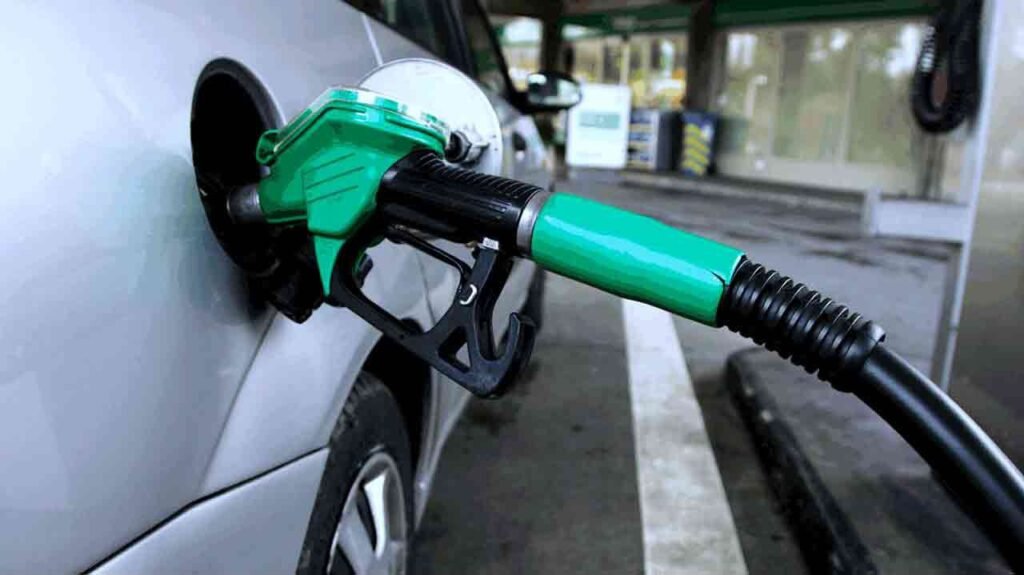
The pump price of petrol recently surged past N1,450 ($1.01) per litre in Abuja, Nigeria’s capital city and N1,400 in Lagos, amid heightened tensions in the Middle East, leading to higher crude oil prices and supply costs. On Monday, crude oil price rose over 3% with global benchmarks sitting firmly above the $100 per barrel psychological level. This domestic price movement reflects a broader spectrum of fuel costs across the African continent, where prices are heavily dictated by local refining capacities, currency performance, and the presence or absence of state subsidies. Country Approximate Price (USD / Litre) Pricing Context Libya $0.02 Heavily subsidized and state-fixed; lowest globally. Angola $0.33 Maintained via direct state pump subsidies. Algeria $0.35 Backed by local hydrocarbon production and state price controls. Egypt $0.45 Cushioned by domestic refining and regulated frameworks. Sudan $0.70 Officially fixed, though ongoing disruptions impact actual access. Nigeria $ 1.01 Driven by open-market dynamics and recent depot-cost adjustments (N1,395–N1,450/litre). Niger $0.89 Controlled pricing aided by limited local extraction and refining. Ethiopia $1.05 Kept under partial state management despite complete import dependency. Gabon $1.07 Moderate producer with higher local distribution and logistics costs. Tanzania $1.43 Market-driven retail pricing reflecting regional import expenses. South Africa $1.58 Regulated monthly adjustments tied to exchange rates and Brent crude (R26.92/litre for 95 ULP). Ghana $1.61 Deregulated market exposed to international product cost shifts. Kenya $1.65 Governed by monthly Energy and Petroleum Regulatory Authority pricing cycles. Senegal $1.65 Import-heavy coastal framework with steep retail levies. Sierra Leone $1.78 Among the highest on the continent due to heavy import reliance and logistics constraints. Zimbabwe $1.96 Highly vulnerable to foreign exchange pressures and import costs. As these escalating energy costs ripple outward, industry analysts warn that consumer inflation across multiple import-dependent nations will face mounting pressure, forcing transport operators and businesses to continually absorb or pass down the widening cost of regional logistics.
Global Oil Prices Surge Past $107 Amid Middle East Infrastructure Attacks
Oil prices jumped over 3% on Monday morning, driven by escalating regional conflicts, Houthi strikes on Saudi territory, and vessel attacks in the Persian Gulf. Brent crude rose $3.21 to reach $107.82 per barrel, while West Texas Intermediate gained $3.17 to trade at $103.22 per barrel. The aggressive market surge follows the strategic shutdown of Saudi Arabia’s critical East-West oil pipeline after a recent drone strike. This infrastructure closure severely restricts export flexibility, cutting off viable workarounds away from the heavily contested Strait of Hormuz. Simultaneous maritime attacks and territorial strikes compound existing supply deficits, threatening roughly 4% of total global petroleum production. These disruptions arrive as crude markets struggle with multi-year production lows and heightened geopolitical risk premiums across vital Middle Eastern transit chokepoints. Diplomatic efforts to stabilize the region suffered setbacks after scheduled de-escalation talks between Gulf states and Iranian officials in Oman were abruptly postponed.
Crude oil Surge Past $100/barrel for the First Time since July amid Middle East Shipping Attacks
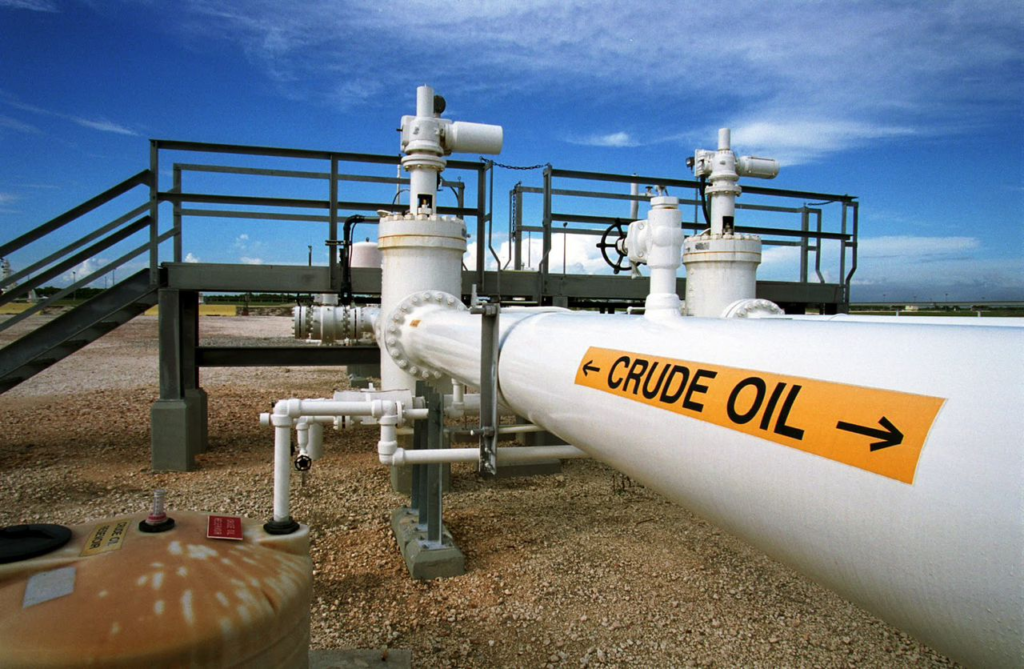
Asian markets retreated sharply on Thursday as surging crude oil prices crossed the key psychological threshold of $100 per barrel. The dramatic escalation follows an unprecedented wave of maritime attacks in the Middle East, severely threatening vital international energy transit chokepoints. Brent crude futures edged higher to $101.4 per barrel in early trading, cementing the highest sustained price levels observed since late May. The renewed supply shocks arrive as investors anxiously await critical U.S. inflation data, which will dictate upcoming central bank monetary policy decisions. Persistent geopolitical hostilities across the Persian Gulf region continue to dismantle months of relative market stability, driving up global risk premiums.
Oil Nears $100 per Barrel as Middle East Tensions Shake Global Markets
Brent crude rallied toward $100 per barrel on Wednesday, pressing Asian stock markets lower as escalating Middle East conflicts heightened severe global inflation anxieties and supply chain disruptions. Brent futures climbed $1.57 to $99.49 a barrel, while U.S. West Texas Intermediate crude gained $1.60 to reach $94.63. The surge follows widening military hostilities involving U.S. forces and Iranian-backed factions, restricting critical maritime transport channels and driving energy benchmarks to multi-month highs. Asian equities traded lower as investors adopted risk-off postures ahead of highly anticipated U.S. consumer price index inflation data. Economists warn that prolonged high oil costs risk unanchoring global price stability and challenging upcoming central bank interest rate cuts.