

Oil Prices Breach $101 as US Storm Threats and Middle East Security Risks Outweigh Rising Supply

Global crude oil benchmarks climbed on Wednesday as traders weighed potential production shutdowns from a U.S. Gulf storm and fresh Houthi attacks on Saudi Arabian infrastructure against expanding Middle Eastern output. According to market data monitored early Wednesday, international benchmark Brent futures advanced $1.05, or 1.04%, to trade at $101.63 a barrel. Simultaneously, U.S. West Texas Intermediate crude futures gained 80 cents, or 0.89%, reaching $90.24 per barrel, reflecting heightened immediate risk premiums across global energy markets. Supply anxiety mounted as a developing tropical storm headed toward key offshore oil-producing zones in the Gulf of Mexico, threatening to force precautionary platform evacuations and halt processing operations. Geopolitical risk factors intensified following renewed drone and missile strikes by Yemen’s Iran-backed Houthi movement targeting Saudi oil infrastructure, stoking fears of potential supply chain disruptions across the region. However, upward price momentum was partially capped by signs of expanding physical supplies from other Middle Eastern producers, alongside broader market caution regarding global macroeconomic growth and high interest rates. Energy analysts note that crude stockpiles remain tightly balanced globally, with OPEC+ maintaining production quotas while traders await fresh U.S. commercial inventory reports for directional clarity.
Global Oil Prices Edge Up as Middle East Risks Offset G7 Stockpile Release
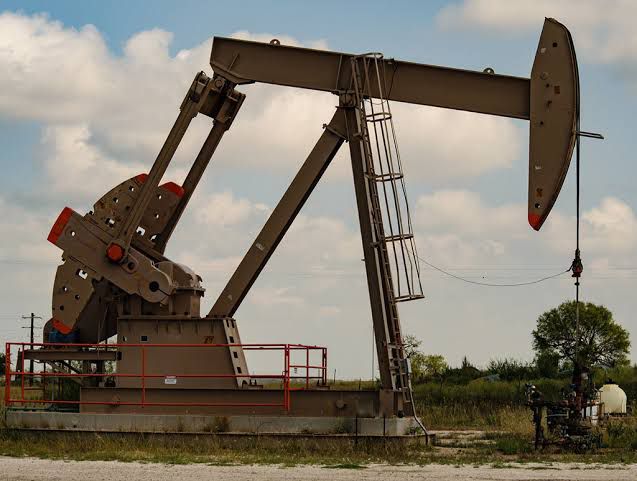
Global crude prices recorded modest gains on Tuesday as ongoing security threats across the Middle East sustained a geopolitical risk premium, offsetting coordinated emergency supply measures by major industrial nations. Brent crude futures rose 27 cents, or 0.3%, to trade at $100.59 per barrel. Simultaneously, United States West Texas Intermediate crude futures gained 30 cents, representing a 0.3% advance, trading at $89.73 per barrel. Traders continued pricing in elevated security risks surrounding Middle Eastern energy infrastructure, keeping the Brent benchmark firmly anchored above the psychological $100 per barrel mark. However, market anxiety was tempered after Group of Seven nations authorized an emergency strategic stockpile release aimed at bolstering global inventory buffers and mitigating severe price spikes. The upward momentum was further constrained as shipping logs revealed Middle Eastern physical crude exports remained largely resilient despite heightened geopolitical volatility across key maritime corridors. Market observers project near-term crude prices will remain range-bound as geopolitical developments continue to compete directly with macroeconomic indicators and strategic buffer deployments.
Oil Prices Slip as G7 Reserves and Rising Middle East Exports Cushion Supply Fears
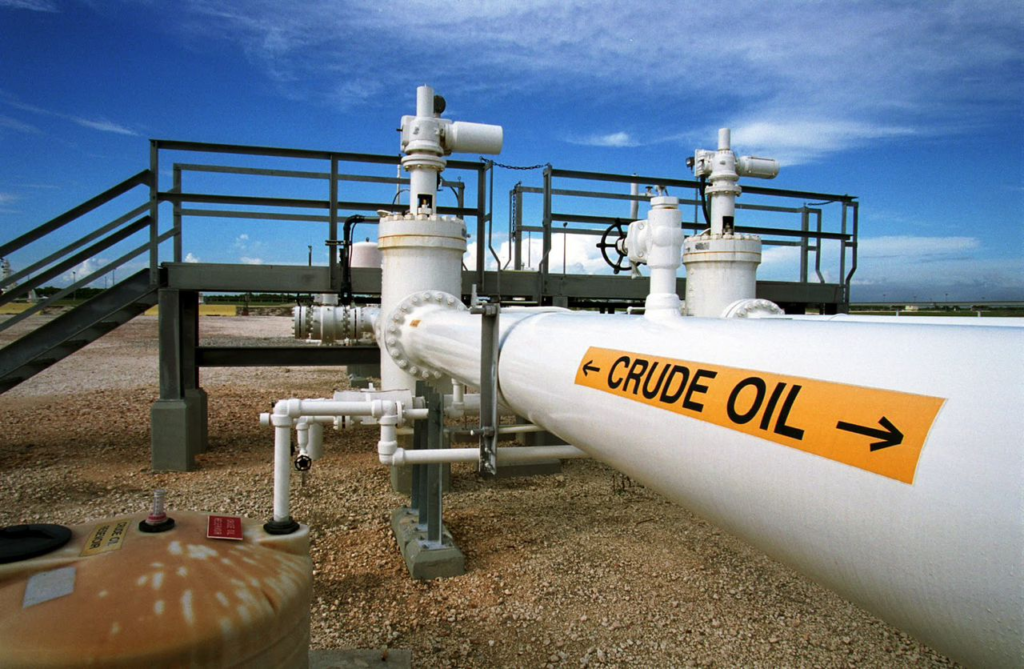
Global crude oil prices edged lower in early Asian trading on Monday as expanding Middle Eastern exports and strategic reserve releases by Group of Seven nations bolstered physical supplies. According to energy market trading reports, Brent crude futures dropped 66 cents, or 0.65%, to trade at $101.59 a barrel. West Texas Intermediate crude similarly fell 95 cents, or 1.03%, to $90.12 a barrel, reflecting immediate market relief following coordinated international interventions. The market downturn follows a joint initiative by G7 economies to release emergency oil stocks, aiming to stabilize global energy distribution channels and curb inflationary pressures. Concurrently, elevated export volumes from key Middle Eastern producers helped ease short-term physical availability concerns across major refining hubs in Europe and Asia. However, price losses remain constrained by severe geopolitical friction in the Middle East, where military clashes involving U.S., Israeli, and Iranian forces threaten critical energy infrastructure. Traders remain heavily focused on potential supply bottlenecks through the Strait of Hormuz, a maritime corridor handling nearly 20% of global petroleum consumption. Crude benchmarks have maintained an elevated baseline above $90 in recent weeks as geopolitical risk premiums offset broader concerns regarding slowing global economic growth and high interest rates.
Global Oil Markets Reacts to China Export Ban
Oil prices ticked upward on Friday following China’s sudden halt on refined fuel exports. Brent crude advanced 29 cents to reach $102.60 per barrel. According to a recent report by the Wall Street Journal, the United States is actively deploying additional troops and aircraft carriers to the Middle East. This military movement aims to project stability while Washington urges European allies to tap into emergency diesel stockpiles. Meanwhile, global refined product inventories remain severely constrained heading into the quarter. West Texas Intermediate simultaneously rose 27 cents to settle at $93.14 per barrel during early trading hours. Both benchmarks reflect surging geopolitical risk premiums across international markets. Thursday witnessed an even sharper market surge driven by compounding supply concerns and tightening global energy fundamentals. Traders continue pricing in persistent structural deficits across major petroleum product categories. China’s decision to suspend outbound shipments—excluding Hong Kong and Macau—instantly chokes off key regional supply lines. Asian markets are already scrambling to secure alternative commercial cargo allocations. Energy markets have endured heightened volatility throughout recent months due to ongoing OPEC+ production quotas and shifting macroeconomic indicators. Inflationary pressures remain stubbornly tied to fossil fuel price fluctuations worldwide. With refinery margins expanding globally, market participants debate whether current price levels accurately capture underlying physical scarcity or speculative fear. Further supply updates next week will dictate near-term trading directions.
Global Crude Prices Fall on Recovering Gulf Supplies and Inventory Build

Crude benchmarks retreated on Thursday as recovering Persian Gulf exports and a surprise rise in American stockpiles eased acute supply concerns across global energy markets. Brent crude futures fell 1.1% to $96.92 a barrel. Meanwhile, US West Texas Intermediate dropped 1.4% to $89.18. This downward shift follows a stellar September. Brent notched its largest monthly gain since July, surging roughly 14% amid persistent geopolitical friction and severe Middle East crisis. Traders are now weighing renewed diplomatic efforts between Washington and Tehran. Markets are assessing whether direct talks could eventually ease long-standing regional conflicts and sanctions. Supply-side pressures eased as Saudi Arabia resumed regular crude shipments through the Yanbu pipeline. Gulf export terminals report smoother operations following earlier temporary logistical bottlenecks. Simultaneously, official data revealed an unexpected build in US crude inventories. The stockpile increase tempered immediate demand-side panic among commodity traders worldwide. Attention shifts toward the upcoming OPEC+ ministerial gathering. Delegates are widely expected to maintain existing production quotas for November steady.
Global Oil Prices Climb Amid Middle East Supply Concerns and US-Iran Tensions
Global oil benchmarks rose for a second consecutive session on Tuesday, driven by escalating concerns over Middle East supply disruptions stemming from the ongoing US-Iran conflict. Brent crude futures advanced $1.49, or 1.4%, to reach $106.77 a barrel during early trading hours. U.S. West Texas Intermediate crude similarly gained $1.34, or 1.5%, climbing to settle at $93.94 a barrel. Both international benchmarks had already finished the previous trading session nearly $1 higher as traders priced in persistent geopolitical risk premiums. The upward price trajectory persists despite recent indications showing a gradual recovery in crude export volumes originating from key Middle Eastern producers. For oil-importing developing economies, sustained triple-digit Brent levels threaten to widen fiscal deficits and intensify inflationary pressures on domestic petroleum products. Market participants remain focused on diplomatic developments and shipping lane security as key catalysts dictating near-term commodity price volatility.
Kenya Court Refuses to Halt Dangote’s $16B Lamu Refinery Project

A Kenyan court has declined to issue an immediate stop order against Aliko Dangote’s proposed $16 billion oil refinery project in Lamu County. The Malindi High Court judge Jane Onyango instead ordered opposing parties to maintain the current status quo. The legal challenge stems from a petition filed by 133 local residents from Chandavai. The plaintiffs claim that state acquisition procedures bypass generational occupants, targeting absentee titleholders instead. Petitioners argue the multi-billion-dollar development violates established public participation, environmental, and property rights. Despite local protests outside the courthouse, the judicial decision clears the path for upcoming presidential groundbreaking ceremonies on Wednesday. The facility is designed to process 700,000 barrels daily alongside a massive power plant. This ambitious industrial undertaking relies heavily on regional strategic partnerships. The Africa Finance Corporation is co-financing the massive venture to boost East African fuel security. Lamu County remains a focal point for massive infrastructural expansions. Local community groups continue pushing for transparent stakeholder engagement to protect indigenous land rights. Substantive hearings for the land dispute are scheduled for October 14.
Trump Rejects Iran Peace Deal, Triggering Global Oil Market Rebound
Global crude benchmarks climbed sharply on Monday as supply fears resurfaced following stalled diplomatic efforts. Brent crude futures rose $1.82 to reach $106.14 a barrel. US West Texas Intermediate similarly advanced, settling at $93.55 a barrel. The renewed upward pressure follows the rejection of an Iranian settlement framework aimed at reopening the strategic Strait of Hormuz. Traders had briefly driven prices lower late last week on optimism surrounding a potential seven-day interim shipping corridor. Persistent geopolitical flashpoints across the Middle East continue to keep commodity risk premiums elevated.
Kenya’s $6.1bn oil plan advances as 2,152-tonne drilling cargo docks in Mombasa
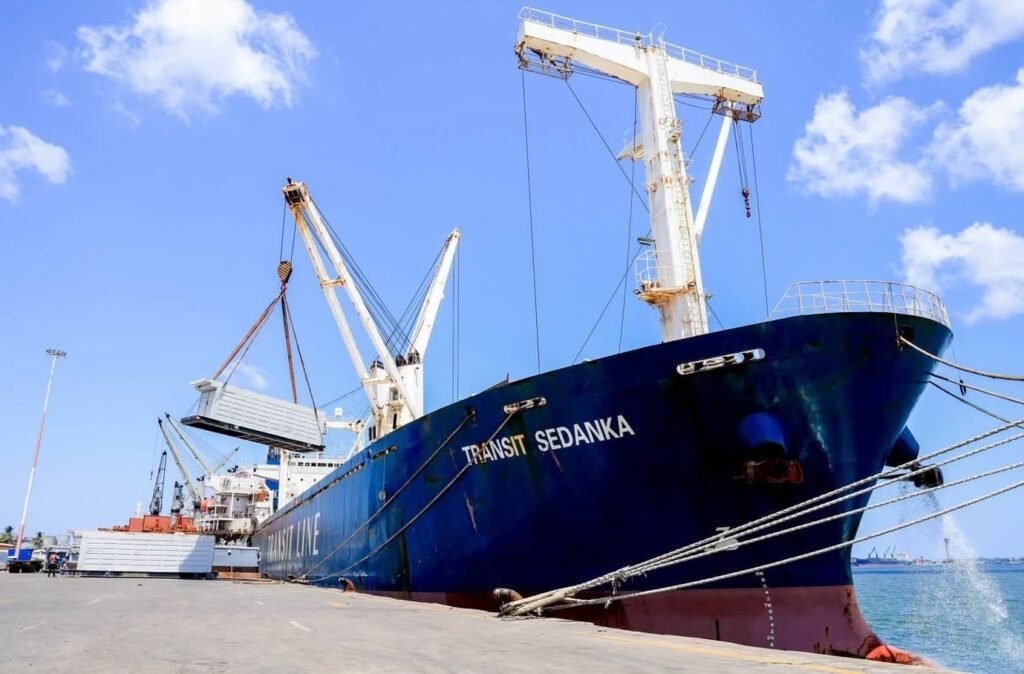
The Port of Mombasa has received 2,152 tonnes of onshore drilling equipment for commercial oil production in Turkana’s South Lokichar Basin. The Kenya Ports Authority said on Sunday the consignment arrived Saturday aboard MV Transit Sedanka after sailing from Abu Dhabi via Duqm. Among the cargo is a GW70 integrated onshore drilling rig rated at 1,500 horsepower and valued by the authority at more than KSh 2 billion. Operator Gulf Energy E&P BV SEZ has leased the unit from Great Wall Drilling Company and will move it by road to Turkana after discharge and clearance. The company has set 1 November as the first-well spud date, keeping first oil targeted for December 2026. South Lokichar is estimated to hold 326 million barrels of recoverable oil across a 25-year development period. Total project investment is put at about $6.1 billion, or roughly KSh 790 billion, making it one of Kenya’s largest energy undertakings. Phase one is designed to produce 20,000 barrels a day. Output is planned to rise to 50,000 barrels a day in the second phase. Energy regulator EPRA said this month that first crude exports through Mombasa are expected in the first quarter of 2027. The cargo arrives 14 years after Tullow Oil’s 2012 discovery. Tullow sold its Kenyan assets to Gulf Energy in 2025 for $120 million. Kenya approved the Field Development Plan in late 2025. Parliament ratified the plan in February 2026, clearing the path to field work. Gulf Energy has contracted Baker Hughes for integrated well services and SLB to supply an early production facility for phase one. Early barrels are expected to move by road tanker to Mombasa. Later volumes may shift to rail once extra capacity is in place. The December deadline leaves little slack. The rig still needs commissioning, while roads, security and community issues in Turkana remain live risks. If the schedule holds, Kenya would join East Africa’s small group of crude producers and test whether a domestic operator can convert a long-stalled discovery into export cash.
Oil Retreats as US-Iran Truce Talks Counter Houthi Strikes
Global crude prices fell slightly on Friday, halting a week of sharp spikes as markets weighed potential US-Iran truce negotiations against ongoing Houthi rebel bombings on Saudi Arabian energy facilities. Brent crude dropped 87 cents, or 0.82%, to hit $105.73 a barrel. West Texas Intermediate fell $1.56, or 1.65%, settling at $93.05. This minor price retreat follows a period of extreme volatility in 2026. Brent surged past $120 earlier this year after severe maritime blockades disrupted transit through the Strait of Hormuz. Despite emerging diplomatic optimism regarding a phased agreement, traders remain highly cautious. The broader market continues to price in a significant geopolitical risk premium due to constrained regional availability. Analysts warn that any breakdown in the current truce dialogue could trigger immediate upward price action, particularly given tighter-than-expected global inventories and the persistent threat to Middle Eastern infrastructure.