

U.S. Imposes Visa Restrictions on South Africa Over Minority Policies and Land Reform

The United States has unveiled a strict visa restriction policy targeting foreign nationals in South Africa linked to controversial land seizures and racial discrimination. U.S. Secretary of State Marco Rubio announced the punitive measures on Tuesday, citing ongoing grievances regarding the treatment of minority populations. Washington aims to penalize individuals involved in uncompensated property confiscations and policies deemed discriminatory against white Afrikaners and other local minority groups. The Trump administration argues that Pretoria has consistently failed to address rural security concerns and hateful rhetoric targeting vulnerable communities. This diplomatic friction builds on a February 2025 executive order that suspended certain foreign aid and prioritized humanitarian resettlement for affected Afrikaners. South African authorities have previously rejected similar foreign allegations, maintaining that domestic legislative reforms are constitutional and designed to address historical inequities.
South Africa Records Widest Current Account Deficit in Decade as Middle East War Inflates Import Costs

South Africa posted a current account deficit of ZAR 205.5 billion (roughly $12.7 billion) in the second quarter of 2026, marking the widest shortfall since late 2015. According to the South African Reserve Bank, this figure translates to a deficit of 2.6% of gross domestic product, reversing sharply from a 2.3% surplus recorded in the first quarter. The dramatic turnaround was driven by geopolitical conflict in the Middle East that erupted in late February, significantly escalating international energy expenses and domestic import pressures. Consequently, the quarterly trade surplus collapsed to ZAR 146.4 billion ($9 billion) from ZAR 428.8 billion ($26.5 billion), heavily impacted by an 82.1% surge in the value of crude oil imports. Furthermore, the persistent deficit on the services, income, and current transfer account widened to ZAR 351.9 billion ($21.8 billion), compounding overall external sector imbalances. This external shock compounds recent domestic downturns, coming immediately after Statistics South Africa reported a 0.2% economic contraction in Q2, ending a four-quarter growth streak.
South Africa’s GDP Growth Slumps to 0.9% in Q2 2026
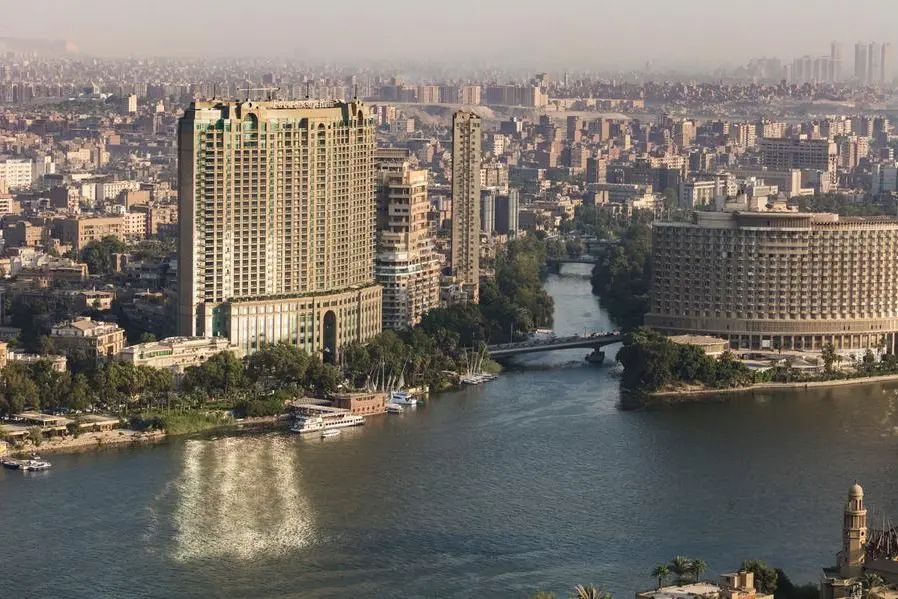
South Africa’s economy expanded by a weaker-than-expected 0.9% year-on-year in the second quarter, marking a sharp deceleration from the 1.9% growth recorded in the opening quarter of the year. According to official macroeconomic data released by Statistics South Africa, the persistent slowdown highlights mounting domestic pressures and subdued economic activity across key industrial sectors during the period. The underwhelming performance missed consensus market forecasts of 1.0% growth, underscoring ongoing structural hurdles facing the continent’s most industrialized economy as consumer and business demand remains constrained. Looking at long-term trajectories, South Africa’s annual gross domestic product growth has averaged 2.28% from 1994 until 2026, reflecting decades of volatile economic cycles and uneven expansion. Historical records show the metric reached an all-time high of 19.20% in the second quarter of 2021, contrasted sharply by a record low of -16.40% in 2020. Policymakers face growing urgency to stimulate investment and resolve energy and logistical bottlenecks to restore robust momentum moving into the final quarters of the year.
Just Like South Africa, Kenya Cracks Down on Immigrant Businesses —And Regional Trade is Paying the Price
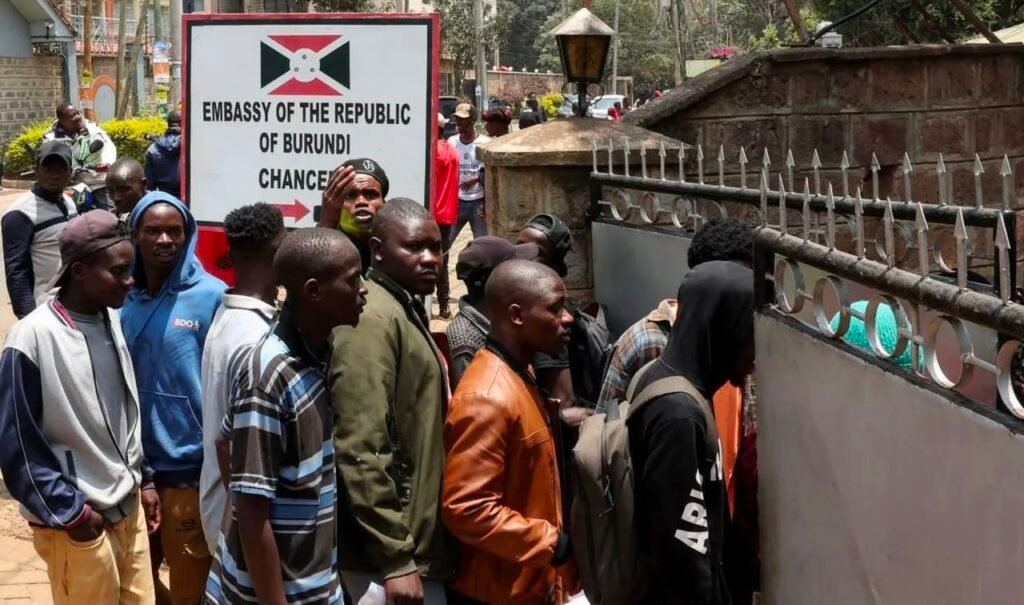
Clutching heavy brown envelopes and plastic bags piled high against the concrete walls of Denis Pritt Road, hundreds of Burundian nationals crowded outside their country’s embassy in Nairobi on Monday, desperate for emergency travel documents. Following President William Ruto’s sweeping executive directive ordering the immediate shutdown of small-scale businesses operated by foreign nationals, a wave of panic rippled through migrant communities. Echoing the harrowing scenes of displacement seen thousands of miles away in South Africa, the sudden crackdown has exposed deep structural fissures in East Africa’s integration project. Just like South Africa, Kenya’s latest policy pivot targets the most vulnerable layer of the informal economy: micro-traders, street vendors, and small shop owners. Kenya’s vast Micro, Small, and Medium-Sized Enterprise (MSME) sector accounts for over 80% of total employment and serves as the primary absorber of a rapidly growing urban workforce facing soaring living costs and persistent youth unemployment. When macroeconomic pressures mount, foreign migrant traders—including an estimated community of thousands of Burundians leveraging East African Community (EAC) protocols—become a convenient political lightning rod. President Ruto’s decree, which fast-tracks the restrictive Local Content Bill through Parliament, insists that low-capital retail and hawking must be exclusively reserved for Kenyan citizens. The economic data underpinning this political calculus reveals a familiar narrative of scarcity. In South Africa, the systemic targeting of foreign-owned “spaza” shops is routinely justified as a defense of indigenous livelihoods amid sluggish GDP growth and a stubbornly high unemployment rate hovering above 30%. Similarly, Kenya’s fiscal tightening, heavy sovereign debt servicing obligations, and biting tax reforms have shrunk domestic consumer purchasing power. By framing foreign micro-traders as structural competitors rather than regional partners, Nairobi risks undermining the very framework of the Common Market Protocol that underpins the EAC. While senior Kenyan diplomats have scrambled to clarify that fully documented major investors and compliant migrant workers remain legally protected, the chilling effect on regional trade is already tangible. Ambassador Evelyne Habonimana’s urgent appeal to EAC chairperson Yoweri Museveni for an emergency regional summit underscores how quickly localized populist protectionism can metastasize into diplomatic friction. “The Embassy of Burundi in Kenya is with much concerns on how Burundians are being mistreated, harassed and thrown out like chickens. We call upon the chairperson of East African Heads of State, H.E. @KagutaMuseveni, to immediately call for a summit to tame @WilliamsRuto,” the notice, signed by Ambassador Habonimana, read. When national economic policies fail to generate immediate domestic relief, governments across the continent increasingly reach for the same restrictive playbook, proving that economic nationalism spares no region—and that regional integration remains dangerously fragile when put to the test.
South Africa’s Gross Reserves Hit $75.95 Billion as Gold Surges
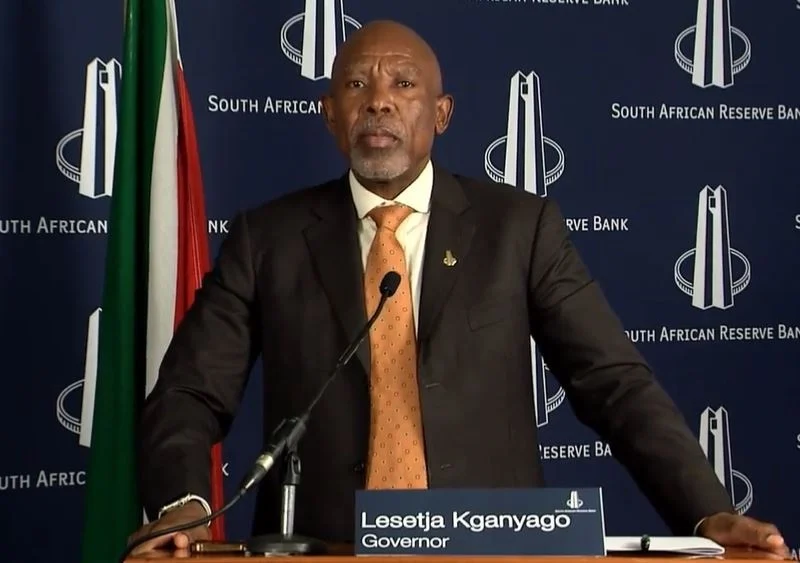
South Africa’s gross foreign exchange reserves expanded by $2.5 billion to reach $75.95 billion in August 2026, up from $73.45 billion recorded in July, official figures show. According to official balance sheet data released by the South African Reserve Bank (SARB) on Monday, the figure represents the highest total reserve position for Africa’s most industrialized economy since May 2026. A breakdown of the central bank’s holdings reveals that the valuation of gold reserves recorded the most substantial gain, climbing to $17.995 billion from $16.375 billion in the previous month. The total foreign currency assets also increased noticeably to $51.264 billion in August, compared to $50.406 billion tracked at the end of July. Special Drawing Rights (SDR) holdings maintained by the South African Reserve Bank edged up slightly to $6.695 billion, compared with $6.670 billion recorded in the preceding period. Conversely, the central bank’s overall forward position declined significantly, dropping from $1.185 billion in July to $0.565 billion by the close of August. Monetary authorities attributed the reserve surge to elevated international spot gold prices, valuation adjustments from foreign currency movements, and the maturity of liquidity management forward contracts. These reserve gains were partially offset by routine foreign exchange operations and debt servicing payments executed on behalf of the national government. The surge builds on a sustained trajectory of reserve growth in 2026, driven by global central bank gold demand and favorable commodity price dynamics across southern African export markets.
South Africa Private Sector Credit Growth Cools to 7.41% in July

South Africa’s private sector credit growth slowed to 7.41% year-on-year in July 2026, down from 7.77% in June, marking the softest pace of credit expansion since October last year. Data released Monday by the South African Reserve Bank shows borrowing demand across households and businesses moderated as elevated interest rates continued to weigh on economic activity. The broader M3 money supply growth also decelerated, rising 8.57% in July compared to 9.31% in June, further reinforcing signals of cooling monetary expansion across the economy. July’s credit growth remains well below South Africa’s 60-year average of 12.70% recorded between 1966 and 2026, though comfortably clear of historical contractionary troughs. Commercial and retail borrowing appetite has softened under the weight of restrictive borrowing costs, with the benchmark prime overdraft rate sitting held steady at 10.50%. With headline inflation easing toward central bank targets, analysts suggest the cooling credit trend provides monetary policy makers additional flexibility to consider interest rate cuts later this year.
Why You Should Check Your Receipt Every Time You Pay by Card in South Africa

South African consumers are being urged to closely check their transaction receipts after a surge in retail outlets illegally adding extra fees to everyday card purchases. National Consumer Commission (NCC) spokesperson Phetho Ntaba warned that charging checkout fees for using point-of-sale (POS) terminals violates Section 23(6) of the Consumer Protection Act (CPA). Under South African law, merchants cannot charge consumers a price higher than the displayed tag. POS processing fees must be absorbed by retailers as standard operating overhead rather than passed to buyers. The regulatory warning comes amid growing complaints against independent merchants and spaza shops imposing unauthorized surcharges between R2 and R10 on essential items, prepaid electricity, and airtime. The practice disproportionately hits low-income consumers who have turned to card payments for convenience and personal safety amid lingering risks associated with carrying physical cash in informal settlements. While some small traders claim transaction fees eat into narrow profit margins, the NCC clarified that card processing resembles transport expenses and cannot justify illegal checkout add-ons. The watchdog also cited Section 26 of the CPA, reminding retailers that failing to display itemized pricing on or adjacent to products before checkout remains a strictly punishable offense. Affected shoppers can submit formal reports via the NCC’s online portal or social channels. Non-compliant businesses face compliance notices and potential prosecution before the National Consumer Tribunal.
Nigeria Escalates South Africa Xenophobia Crisis to African Union
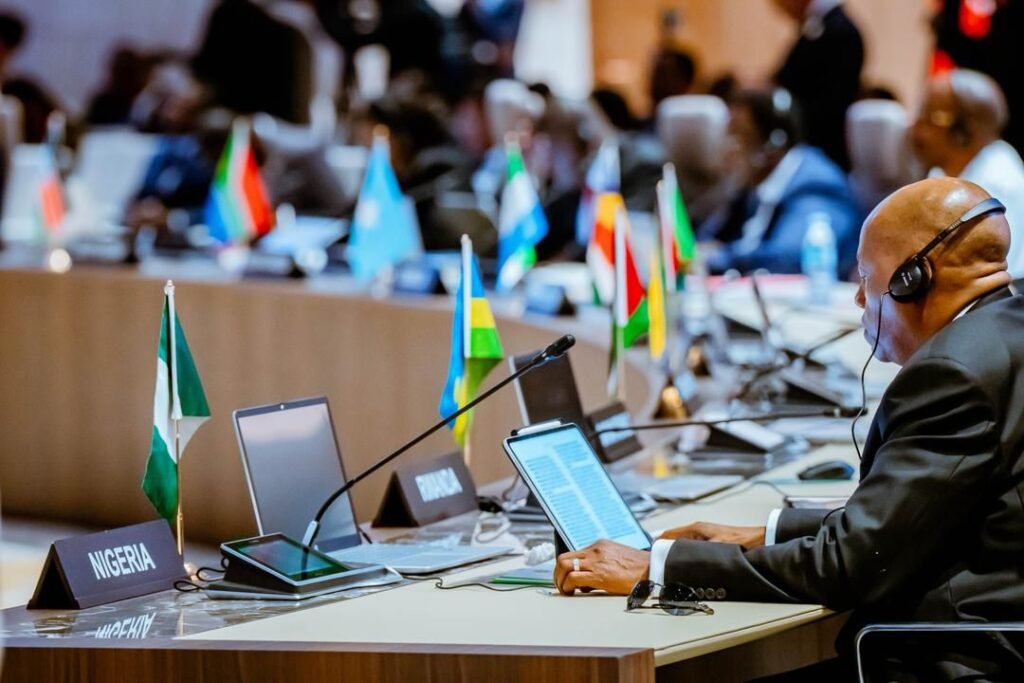
Nigerian President Bola Tinubu has formally reported recurring xenophobic and Afrophobic attacks on Africans in South Africa to the African Union, demanding urgent continental action to protect solidarity and unity. According to a State House press release issued by Stanley Nkwocha, Senior Special Assistant to the President on Media and Communications, the message was delivered by Vice President Kashim Shettima at the 21st Extraordinary AU Assembly in Luanda, Angola, on Sunday. Tinubu requested the matter be placed on the agenda of the 40th Ordinary Session of the AU Assembly in January 2027 for consideration and appropriate action by African leaders. “Nigeria wishes to express its concern over the recurring xenophobic and Afrophobic attacks against Africans and other nationals in South Africa,” the President stated through Shettima. While recognising South Africa’s right to enforce immigration laws and its continental contributions, Nigeria stressed that the attacks undermine African solidarity, unity and peaceful coexistence, requiring urgent collective attention. The call comes amid a surge in anti-migrant violence across South Africa this year. At least 98 Nigerians have been killed in such attacks since 2022, prompting Nigeria to evacuate nearly 1,500 citizens earlier this year. UN Committee on the Elimination of Racial Discrimination recently raised alarm over killings, displacement of tens of thousands of migrants, looting and restrictions on access to services by vigilante groups. Tinubu also urged stronger continental efforts against xenophobia through dialogue and preventive diplomacy. He backed the Luanda Action Plan for conflict prevention, arguing it is more cost-effective than managing crises after they erupt. The Nigerian leader warned that reliance on external military forces and private contractors risks weakening African ownership of peace and security mechanisms. He called for arms-exporting countries to prevent weapons diversion to non-state groups. Nigeria further supported sustainable financing for AU peace operations and full implementation of UN Security Council Resolution 2719. Tinubu urged leaders to renew commitment to home-grown solutions and shared responsibility. “Let us therefore renew our collective commitment to solidarity, cooperation, and shared responsibility as we build the Africa we want,” he said. The move elevates bilateral tensions between Africa’s two largest economies to the continental stage, following Nigeria’s July diplomatic protests to Pretoria over the killings.
South Africa Leading Economic Index Drops 1.4% as Export Commodity Prices Slump
South Africa’s composite leading business cycle indicator dropped by 1.4% month-over-month in June 2026, accelerating from a 0.3% decrease in May and marking three consecutive months of economic decline. The South African Reserve Bank (SARB) released the data Tuesday, highlighting growing downside pressure on Africa’s most industrialized economy. Five out of seven available component series contracted during the month. Lower US dollar-denominated prices for South Africa’s main export commodities and a slowdown in the six-month smoothed growth rate of real M1 money supply primarily drove the decline, the central bank said. New passenger vehicle sales and major international trading partner growth signals also turned negative. In contrast, approved residential building plans and job advertisements posted modest gains. South Africa is grappling with volatile global commodity markets and soft domestic demand. The coincident indicator fell 0.2% in May, confirming subdued momentum in retail, wholesale, and manufacturing. The worsening economic outlook leaves the Reserve Bank facing a challenging policy balancing act. Policymakers must weigh sluggish national growth against persistent exchange rate volatility and inflation concerns.
South African Inflation Eases to 4.3% as Middle East Tensions Threaten Rebound
South Africa’s headline consumer price index (CPI) decelerated to 4.3% year-on-year in July 2026, dropping from 5.0% in June to mark its first cooling trend in five months. Data released Wednesday by Statistics South Africa showed monthly inflation slowed dramatically to 0.2%. The drop was anchored by falling pump prices, softer utility rate hikes, and a historic dive in food costs. Transport inflation plummeted to 8.9% after month-on-month petrol and diesel prices dropped 7.1% and 11.7%, respectively. That shifted annual fuel inflation down to 20.6% from June’s 34.3% spike. Food and non-alcoholic beverage inflation dropped to 0.9% year-on-year. This represents the lowest level for the category in over 16 years, heavily suppressed by falling staple cereal and beef valuations. Municipal electricity tariffs increased by a moderate 8.1% in July—below 2025’s 10.4% baseline. Water adjustments similarly eased to 10.2%, capping broader housing and utility contributions at a manageable 5.2%. The overall cooling brings headline inflation safely below the South African Reserve Bank’s preferred 4.5% midpoint. It gives policymakers operational breathing room ahead of upcoming monetary policy committee rate decisions. However, international trade analysts warn this relief could be short-lived. Renewed military escalations between the U.S. and Iran have pushed global crude benchmark prices higher since the survey period closed. Rising Brent crude futures threaten to re-ignite domestic supply chain pressures rapidly. Analysts caution that rising import costs could force energy prices upward before year-end, quickly eroding emerging household savings.