

South Africa regulator probes 3 trillion rand state asset manager PIC after CEO suspended
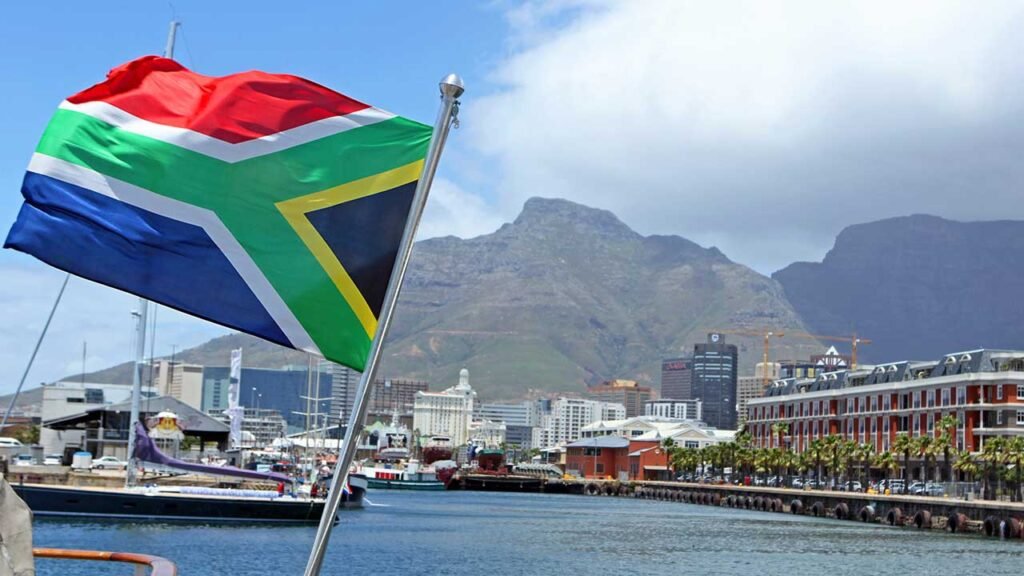
South Africa’s Financial Sector Conduct Authority has launched a formal investigation into the Public Investment Corporation. The market regulator cited growing concerns over governance, leadership stability, and corporate transparency at the state-owned firm. The probe follows the dramatic suspension of Chief Executive Patrick Dlamini on Monday. The board placed Dlamini on precautionary leave following an anonymous whistleblower complaint detailing alleged operational improprieties. The regulator stated it has become “increasingly concerned by recent developments” at the entity. Officials noted that ongoing leadership friction raises “serious questions” regarding overall institutional integrity. The dispute centers on a contested forensic investigation into the Lanseria Airport transaction. Critics question the authorization of the audit, which sparked a massive legal challenge from local business stakeholders. The asset manager controls over 3 trillion rand ($183 billion) in public funds. It represents the single largest institutional investor active on the Johannesburg Stock Exchange. The Government Employees Pension Fund recently demanded immediate leadership structural changes. Consequently, acting chief investment officer August van Heerden was replaced by fixed-income specialist Leon Smit. The corporation’s board quickly issued a statement welcoming the formal external oversight. Directors confirmed they have already provided essential documentation to investigators to ensure accountability. “The board remains fully committed to cooperating with all regulators,” the state firm announced. Management clarified that the CEO’s temporary suspension does not constitute an official finding of wrongdoing. This regulatory intervention signals deep skepticism over the asset manager’s recent operational reforms. The FSCA has not yet confirmed the anticipated duration of its statutory investigation.
South Africa State-Backed Asset Manager Suspends CEO Over Whistleblower Probe
South Africa’s state-owned Public Investment Corporation (PIC) has placed its Chief Executive Officer, Patrick Dlamini, on precautionary suspension following a whistleblower report detailing serious allegations of impropriety against him. The board of the R3-trillion asset manager announced late Monday that the suspension is a neutral act to ensure a fair, objective, and independent investigation into the claims. The board emphasized that the decision does not constitute a finding or pronouncement of wrongdoing on the part of Dlamini, who was appointed to the role in June 2025. According to the PIC, the temporary removal is designed to provide Dlamini with sufficient space and time to respond to the governance and ethical complaints submitted to the board last month. “In line with applicable labour legislation and internal PIC policies, the precautionary suspension is intended to ensure a fair, objective, and independent investigation into these allegations,” the state-backed asset manager said. In a parallel leadership change, the PIC announced that August van Heerden will cease serving as the acting chief investment officer, following a resolution by the Government Employees Pension Fund. The board is currently finalizing separate interim arrangements for the position of acting chief executive and expects to make a formal announcement on the temporary appointment in due course. The sudden executive suspension follows intense scrutiny over the PIC’s handling of its controversial investment in Lanseria Airport, which has sparked multiple legal and institutional battles. A whistleblower complaint accused Dlamini of acting unethically by commissioning a confidential PwC forensic audit into the airport dispute without obtaining the necessary board approval. This internal dispute recently escalated into a R900 million ($54.7 million) High Court damages lawsuit filed against Dlamini by prominent businessman Kagiso Matjila over the procurement of the PwC probe. Further pressure mounted after PIC chairperson David Masondo officially referred specific aspects of the broader Lanseria transaction to South Africa’s Special Investigating Unit for deeper external scrutiny. The controversy drew direct political intervention two weeks ago when Finance Minister Enoch Godongwana stepped in, ordering the PIC’s internal audit division to investigate the whistleblower’s claims. The PIC is Africa’s largest state-backed pension fund manager, and its stability remains vital to South Africa’s broader financial markets, holding massive stakes in major listed blue-chip companies.
South Africa Proposes Mandatory Strategic Fuel Reserves To Cope With Refinery Losses
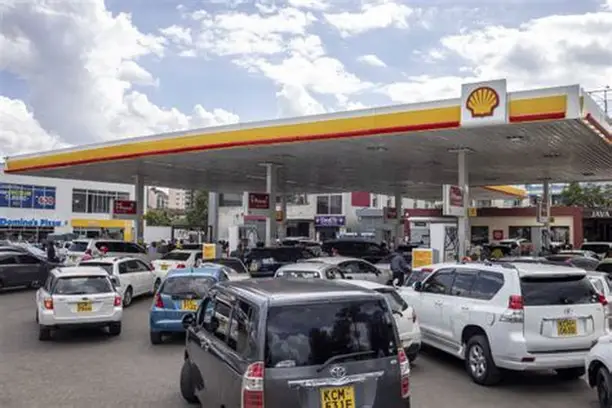
South Africa is overhauling its energy security framework by proposing mandatory strategic fuel reserves for both the state and private sectors to mitigate severe supply crises, a new draft policy document shows. The Department of Mineral and Petroleum Resources’ draft Strategic Petroleum Stock Policy introduces a legally enforced dual-obligation regime, shifting the country away from its decades-old voluntary storage model. Under the proposed framework, the state must maintain 60 days of net import cover, while licensed private wholesalers and fuel importers will be legally required to hold 21 days of reserves at their own expense. The mandate specifies a strict ratio of 70 percent crude oil and 30 percent refined products, aiming to maintain downstream market liquidity amid heightened geopolitical tensions and supply route disruptions. This structural pivot follows the recent closure and conversion of major domestic refineries like SAPREF and Engen into import terminals, which slashed South Africa’s local refining capacity by nearly half. Government data reveals that because imported fuel shipments require 21 to 42 days to reach local ports, a total supply disruption would cost the national economy an estimated R1 billion per day. To prevent product degradation, the policy mandates that both state and private operators completely rotate their refined fuel stocks every three months to ensure fuel stability and immediate operational usability. The newly consolidated South African National Petroleum Company will manage the state’s 36-million-barrel strategic stock, primarily utilizing existing storage hubs located at Saldanha Bay and Milnerton.
South Africa Deploys 3,000 Troops to Counter Anti-Migrant Protests
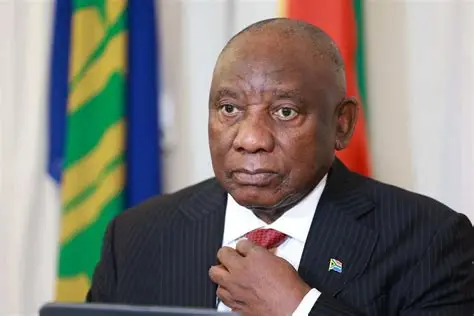
South Africa has deployed over 3,000 soldiers to assist police during nationwide anti-migrant protests. The military presence aims to maintain order following threats from groups vowing to march every week. A letter from President Cyril Ramaphosa on Friday confirmed the deployment of 3,405 members of the South African National Defence Force. The operation began June 28 and carries an estimated cost of 54.6 million rand. Troops are on standby to prevent a repeat of past violence. Demonstrators have demanded all undocumented foreign nationals leave the country by June 30, a date that sparked significant unrest across several cities. Protesters in Johannesburg and other hubs recently marched with clubs and flags. While many demonstrations remained peaceful, some descended into looting and clashes with law enforcement, resulting in more than 900 arrests. Thousands of foreign nationals have since fled their homes or sought repatriation. Embassies from countries like Malawi and Zimbabwe have organized evacuations as fear grows over potential surges in xenophobic violence. The government faces intense pressure regarding high unemployment, which exceeds 40%. Activists claim undocumented migration strains public services, though authorities warn that vigilantism and intimidation will not be tolerated. The deployment marks a significant escalation in the government’s response to rising tensions. Officials are now bracing for recurring protests, aiming to balance the constitutional right to demonstrate with public safety.
Dangote Reduces Fuel Price as Oil Returns to Pre-Iran War Levels
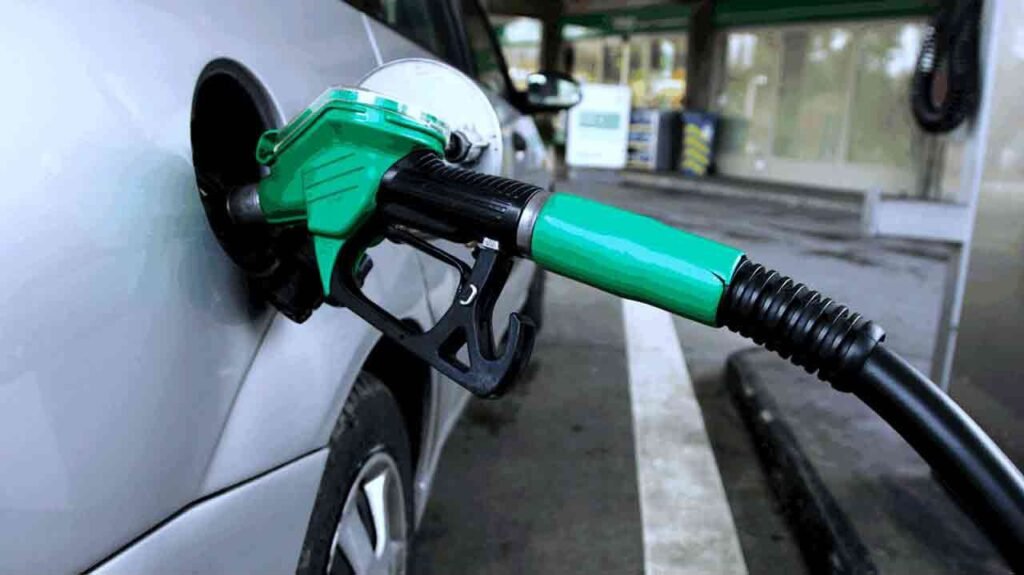
LAGOS – Dangote Petroleum Refinery has slashed the ex-depot price of Premium Motor Spirit (PMS) by N50 Naira per litre on Thursday. This marks the fourth reduction in one month, bringing the total cumulative cut to N200. The adjustment follows a significant cooling in global crude markets. Prices have returned to levels last seen before the Iran-Israel war escalated geopolitical tensions earlier this year. “Today’s N50 per litre reduction is the fourth price cut in one month,” the company stated. The move aims to pass cost efficiencies to consumers while maintaining domestic refinery sustainability. Refinery officials highlighted that their pricing formula accounts for actual production economics. This includes the cost of crude oil inventories purchased weeks before processing under long-term commercial contracts. Data shows the refinery processed crude at an average cost of $124.80 per barrel in May. By June, that cost fell to $95.25 per barrel, against a global benchmark of $71.01. These costs previously kept prices elevated. As lower-cost crude cargoes now enter the production cycle, the refinery is finally able to pass those savings on to the Nigerian market. This downward trend is mirrored across Africa as global oil prices stabilize. South Africa saw petrol prices drop by up to 2.01 Rand per litre effective July 1, 2026. Similarly, Namibia announced significant fuel cuts effective July 3, 2026. Petrol 95 decreased by 1.00 Namibian dollar per litre, while all diesel grades were slashed by N$4.00 per litre to provide consumer relief. As of today July 3, 2026, Brent Crude is trading near $72.13 per barrel, while West Texas Intermediate (WTI) trades at $68.95 per barrel. Prices remain under pressure despite slight daily gains as markets digest ongoing diplomatic efforts in the Middle East.
Ramaphosa Reshuffles Cabinet, Demotes Former DA Leader John Steenhuisen
South African President Cyril Ramaphosa executed a late-night cabinet reshuffle Tuesday, demoting former Democratic Alliance leader John Steenhuisen from agriculture minister to deputy minister of trade, industry, and competition. The shift followed an official request from newly elected DA federal leader Geordin Hill-Lewis, who sought structural changes to the party’s legislative representation within the ruling Government of National Unity. Steenhuisen’s removal from the agriculture portfolio follows mounting pressure over a severe foot-and-mouth disease outbreak. Fellow DA member Willie Aucamp will step in to fill the vacancy. Ramaphosa also utilized the national shake-up to appoint African National Congress senior figure Dina Pule as the new social development minister, filling a vacancy left by the dismissed Sisisi Tolashe. Pule returns to the executive for the first time since 2013, when she was sacked by former President Jacob Zuma following severe parliamentary ethics investigations into financial misconduct. The Presidency confirmed the appointments follow the Constitution, stating the adjustments occurred “following consultation with the leadership of the Democratic Alliance as a member of the Government of National Unity.”
Anti-Immigrant Marches Spark Violence and Shutter Businesses Across South Africa

Heavy police forces deployed across South African cities on Tuesday as anti-immigrant marches sparked brief violence, forced businesses to close, and driven thousands of foreign workers into hiding. Demonstrators wielding wooden sticks gathered in major hubs like Johannesburg and Durban to enforce an unofficial, citizen-led “deadline” demanding all undocumented foreign nationals leave the country by June 30. While organizers promised peaceful rallies, splinter groups caused disruptions, broke windows, and set fires, triggering aggressive containment efforts from police and soldiers to prevent widespread xenophobic riots. The unrest severely hit Africa’s largest economy, causing the South African rand to weaken by 0.3% to 16.4550 per dollar amid global risk aversion and intense domestic security fears. Fearing targeted attacks, thousands of migrants have fled the country, stayed home from work, or sought emergency refuge in heavily crowded shelters and outside foreign consulates for protection. Many foreign workers reported being abruptly evicted or fired in recent weeks because landlords and local employers feared vigilante retaliation or state fines for harboring undocumented residents. The South African government explicitly rejected the vigilante deadline as illegal and false, re-emphasizing that citizen-led groups hold absolutely no legal authority to deport people or enforce immigration laws. President Cyril Ramaphosa strongly condemned the actions, stating that the constitutional right to protest never justifies intimidation, acts of vandalism, or targeted violence against vulnerable communities. The protests, which began as small grassroots gatherings in April, escalated rapidly due to deep socio-economic frustrations regarding South Africa’s high unemployment rate and strained public infrastructure.
Over 15,000 Migrants Repatriated Ahead of South Africa’s June 30 Deadline
More than 15,100 foreign nationals have been processed for repatriation and deportation from South Africa this week. Governments across Africa are scrambling to evacuate their citizens ahead of tense anti-immigration protests. Citizen-led activist coalitions issued a strict June 30 ultimatum demanding that undocumented foreigners leave the country. This triggered a massive humanitarian exodus and localized panic across major metropolitan hubs, including Durban and Cape Town. Fearing a repeat of historical xenophobic violence, countries like Malawi, Zimbabwe, Uganda, Ghana, and Nigeria launched emergency voluntary repatriation programs. Thousands of families packed into makeshift open-field camps and diplomatic consulates awaiting transport. South Africa Border Management Authority (BMA) Commissioner Dr Michael Masiapato noted that about 9,000 Malawian nationals and 3,000 Zimbabwean nationals had been processed through Beitbridge Border Post. At the same time, a further 900 Ghanaians and 300 Nigerians were repatriated through or Tambo International Airport. Meanwhile, Uganda foreign affairs ministry said on Sunday that one of its citizen has been killed and 746 Ugandans have voluntarily registered to be evacuated and its expecting more to register; noting that many have already left south Africa on their own following the June 30 deadline. The South African government has deployed thousands of police officers and integrated a 35,000-strong private security force. Officials have formally declared Tuesday a normal working day, vowing to arrest any violent vigilantes. Amid the exodus, South Africa’s Inter-Ministerial Committee on Migration confirmed that 164 people have already been arrested for public order offenses and incitement to violence as regional tensions continue to spike. “Enforcement of the law is the responsibility of the State,” said Minister of Justice Mmamoloko Kubayi. “We are ready as a State to protect every person, citizens and foreign nationals, against abuse.” Earlier in June, South African President Cyril Ramaphosa warned its citizens against blaming migrants for the country’s economic crisis, insisting that foreign nationals must not become scapegoats for domestic structural failures.
China Authorizes Standard Bank and ICBC to Establish First Africa-Wide Renminbi Clearing Hub
In a major boost for the internationalization of the Chinese yuan, Beijing has authorized Standard Bank and the Industrial and Commercial Bank of China (ICBC) to establish Africa’s first Renminbi clearing house. The People’s Bank of China mandated the joint venture to clear RMB (Yuan) transactions across 19 African nations, eliminating the traditional reliance on US dollar intermediaries for bilateral trade settlement. The milestone follows Standard Bank becoming Africa’s first commercial lender to directly join China’s Cross-Border Interbank Payment System (CIPS), which processed $500 million in its first four months. This financial plumbing shift comes as trade volumes swell. On May 1, Beijing eliminated tariffs on imports from 53 African nations, accelerating commercial ties between the continent and its largest trading partner. Standard Bank’s recent Africa Trade Barometer reveals that Asian countries are now preferred trade partners for 35% of African businesses, with 67% identifying China as their primary source of core inputs. For African firms, direct RMB clearing mitigates persistent local US dollar shortages, removes costly double-currency conversions, and reduces transactional risks stemming from volatile domestic currency devaluations. The settlement hub cements China’s long-term strategy to deepen financial integration across emerging markets, offering an operational alternative to the Western-dominated SWIFT ecosystem. “This is a landmark moment that will fundamentally transform the speed and cost of trade between Africa and China,” said a Standard Bank executive during the deployment phase. The dual-bank structure marks the first time globally that an RMB clearing license has been designated for an entire continent rather than a single country.
Ireland Deports 42 South African Nationals in €735,000 Mass Charter Operation
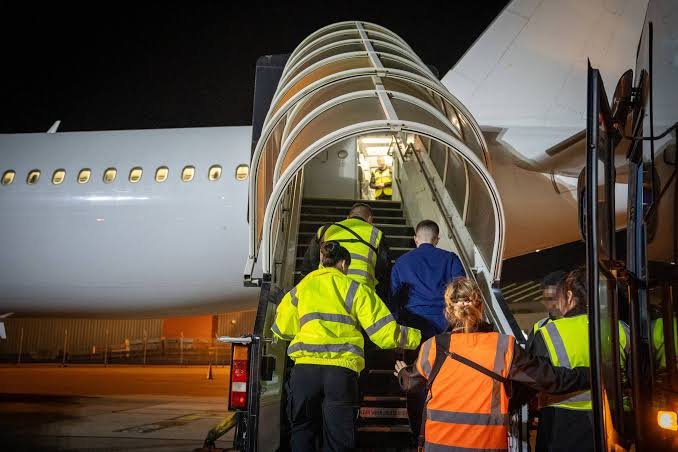
Ireland has deported 42 South African nationals residing illegally in the country, using a chartered aircraft that landed in Johannesburg on Friday morning. The enforcement action cost an initial €735,000, excluding VAT. The manifest of the flight from Dublin Airport included nine men, 18 women, and 15 children traveling as part of family units. Authorities disclosed that two of the deported individuals held prior criminal convictions in Ireland. Legally, the Irish state categorizes South Africa as a safe country of origin. The operation marks Ireland’s fourth major deportation charter flight this year. It follows three previous flights in 2026 that removed 130 people, including 67 European Union citizens on grounds of criminality. “Our immigration system must be rules-based and robust,” said Irish Minister for Justice Jim O’Callaghan. He emphasized that the enforcement of deportation orders is essential to ensure public confidence. The operation highlights a major expansion in Irish state removals. So far this year, officials have signed 2,108 deportation orders, building on the 4,700 orders issued throughout 2025. Migration Minister Colm Brophy stated that while Ireland welcomes migrants, “they must enter through the various legal pathways available and abide by the laws of the State.” The state is handling a sharp rise in asylum infrastructure pressure. Currently, about 33,000 people reside across 305 International Protection Accommodation Services centres, compared to just over 7,000 at the end of 2021.