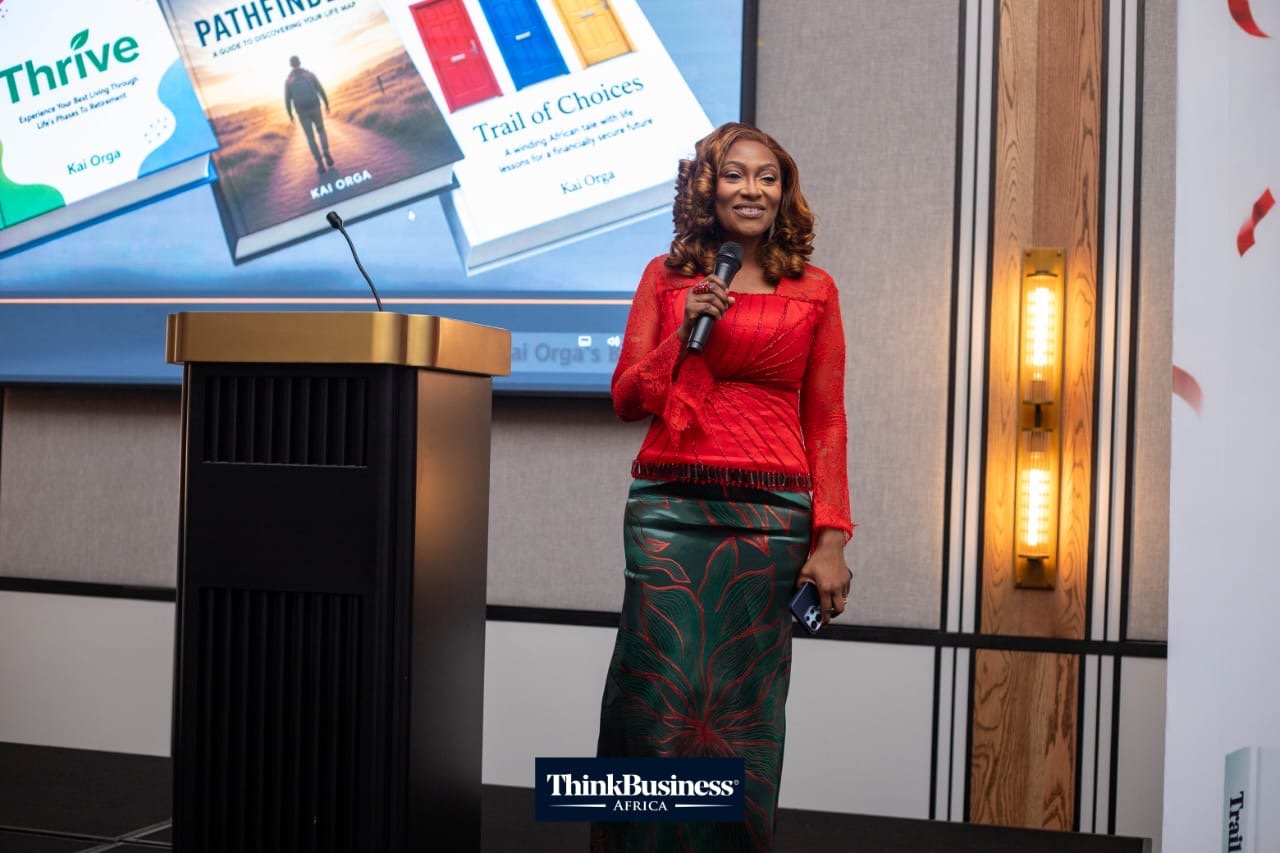
Kai Orga spent more than two decades in finance, including roles at Standard Chartered Bank and ARM Investment Managers. On Saturday, at the Legend Hotel in Ikeja, Lagos State Nigeria, she presented three books on personal development and financial security — Pathfinder, Trail of Choices, and Thrive — and outlined the Lagos expansion of the CORE Development Initiative.
Aare Lai Labode, PhD, chaired the event, which combined the public release of the books with a briefing on CORE’s next phase of work in the state.
The books
Mrs Orga advised readers to begin with Pathfinder.
Pathfinder is a book that takes you on an exploratory journey through the essential components of becoming your true self and making your ultimate contribution to life.
“Start by using Pathfinder to get the different thoughts and pillars on how you should evolve in your life,” she said. “It will help you with a lot of nuggets on discovery, and on what to do to answer the questions you have.
“Two, Trail of Choices is about choices. It’s about Nigeria, family, friendship, making the right choices, and how you can find your way.”
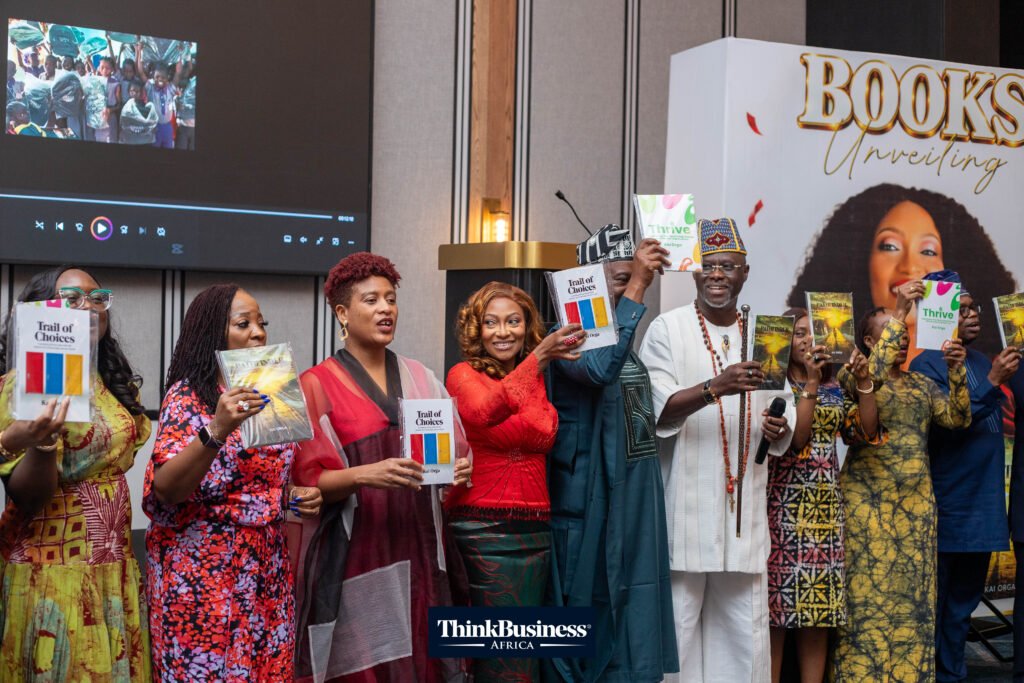
Third is Thrive and it’s about financial literacy. This book is more than a guide; it’s a companion empowering you to retire rich, live richer.
Offering a comprehensive roadmap to financial freedom and fulfillment, it presents innovative strategies that extend to wealth beyond retirement.
“People need to learn money very early. Don’t wait until you’re 60 or 70 years old and start wondering what happened, because money passed through your hands and there were many things you could have done.” She said.
Chair’s remarks
In his opening remarks, Aare Labode spoke about the value of putting ideas on record.
“I understand the power of being able to document the things we think about,” he said. “The moment you document them, you’ve documented them for history, and you never know where they’re going to get to.”
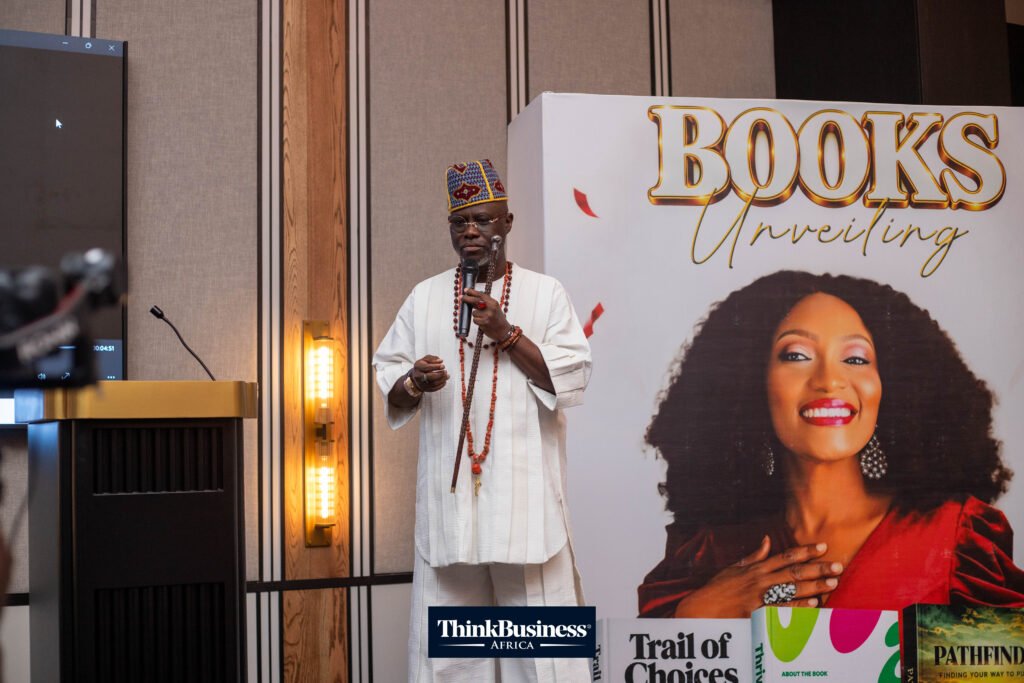
He described philanthropy as a form of “positive selfishness”: an interest in a better society and in leaving a record of work behind. Of the three titles, he said Pathfinder made the strongest impression.
Other speakers treated the evening as both a book launch and a working session on education, skills, and livelihoods.
CORE’s track record and the Lagos expansion
CORE — Creating Opportunities Reinventing Expertise — reports that it has reached more than 30,000 people in communities across Abia, Plateau, Niger, and the FCT since 2012. The initiative is now extending that model to Lagos.
Organisers said CORE plans to partner with the Lagos State government in 20 schools across four local government areas.
They described an audited operating structure, kept separate from personal oversight, with three main lines of work: keeping vulnerable children in school, training women in climate-smart agriculture, and providing vocational skills.
Mrs Orga said programme performance is monitored through community-level counts and seasonal production data.
“We’re tracking because we have a structure. When we go to a community, we have the numbers: women, youth involved in farming. With every farming season, we have the data, so we integrate them. We know how many women farmers in a community are coming out to farm. We know how much produce they make per season, and how much of that turns into income. Their children are able to go to school from that. That is economic liberty.
“Then for the schools: as we support the children, they stay in education, they learn, and they are able to stand on their own. We’re teaching them life skills, and we can track it.”
She also referred to her own background, including postgraduate study in Manchester in 2002 and earlier mentoring work at Standard Chartered and ARM.
On access to education, she was direct.
“I want to believe every child should go to school. Every child who did not have the opportunity should go to school and become better. They should be able to move their lives, and their stories, to a different level. Every young person should have this opportunity.”
School-level health support
CORE’s school work includes WASH and basic welfare. Ten children received school uniforms, sandals, socks, and detergent. Twenty adolescent girls received sanitary pads to mark the International Day of the Girl Child, a measure aimed at reducing attendance losses linked to menstrual hygiene.