LAGOS — The United States has slapped new Section 301 tariffs of 10% and 12.5% on dozens of global trading partners over alleged forced-labor enforcement failures, effective Friday.
The duties, announced by the Office of the U.S. Trade Representative, take effect Friday. They replace temporary emergency tariffs set to expire following recent U.S. court rulings.
It follows a five-month investigation by the Office of the U.S. Trade Representative into 60 primary trade partners, reviewing 2,100 public comments and consulting over 45 foreign governments.
Eight African economies face the maximum 12.5% duty after U.S. officials determined they lacked domestic legal prohibitions or effective enforcement mechanisms against importing forced-labor goods into their own markets.
These affected African nations are Algeria, Angola, Egypt, Libya, Mauritania, Morocco, Nigeria, and South Africa, joining major global exporters like China and Brazil in the highest tariff bracket.
Seventeen other economies including Canada, Mexico, India, and the United Kingdom secured a lower 10% rate by implementing partial import bans or committing to reciprocal trade agreements regarding forced labor.
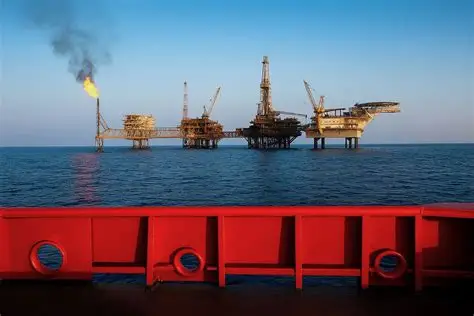
Key exemptions significantly cushion the blow, as crude oil, natural gas, pharmaceuticals, and fertilizers are excluded from the new duties.
This carveout buffers energy-dependent African exporters, particularly Nigeria and Angola, whose trade with Washington consists almost entirely of crude oil and natural gas shipments.
The action replaces temporary tariffs after U.S. courts invalidated earlier emergency measures, forcing the administration to pivot to Section 301 statutes to establish a permanent trade foundation.