

Ruto Targets Middle East Oil Shock: Kenya Slashes Diesel Prices to Defuse Cost-of-Living Crisis
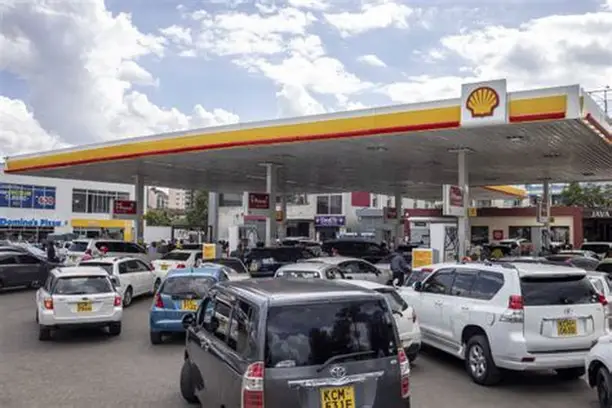
LAGOS – President William Ruto of Kenya has directed a further 10 Kenyan Shillings ($0.0772) reduction in diesel prices for the upcoming June–July cycle to cushion consumers against surging global oil prices and stabilize transport costs. The intervention aims to lower retail diesel costs to Sh222.86 per litre in Nairobi, building directly upon a mid-May emergency price slash executed by the Energy and Petroleum Regulatory Authority. Speaking from State House on Friday, Ruto highlighted that severe international supply chain disruptions, triggered by escalating Middle East geopolitical conflicts involving Iran, forced heavy domestic reliance on government fiscal stabilization funds. “I have directed that in the next pricing cycle, we’re going to further reduce the price of Diesel by a further Ksh.10 for the June/July cycle to help stabilize pump prices and provide additional relief to consumers,” Ruto stated. The administration disclosed it has deployed Sh28.19 billion across consecutive pricing reviews to fund direct fuel subsidies, offsetting a reported 118 percent international surge in global diesel import benchmarks. This policy shift comes immediately after a tense nationwide transport strike by matatu commuter operators and cargo haulers paralyzed urban logistical networks, generating intense political pressure regarding the high cost of living. To fund these ongoing market interventions, the National Treasury has simultaneously cut petroleum Value Added Tax by half and initiated legislative amendments to reduce the country’s statutory road maintenance levy. The state continues to defend its bilateral Government-to-Government fuel import framework, asserting that the model secures critical national inventory volumes despite heightened maritime risks currently impacting regional energy import structures.
South Africa’s Power Company Eyes World Bank Funding for New Multi-Billion-Dollar Nuclear Programme

South Africa’s state power utility Eskom is in exploratory talks with the World Bank to fund a new multi-billion-dollar nuclear build programme designed to launch within 12 months, officials confirmed Wednesday. The state-owned utility plans to issue a Request for Information for up to 5,200 megawatts of nuclear capacity to secure long-term energy security and accelerate its transition away from coal reliance. The strategic procurement will split capacity between 4,800 megawatts of conventional pressurized water reactors and 400 megawatts of small modular reactors, according to Eskom Group Executive for Generation Bheki Nxumalo. Bheki Nxumalo, Eskom’s group executive for generation, confirmed the global funding push at a Cape Town energy summit, stating, “We are engaging development finance institutions, including the World Bank, to structure a sustainable multi-vendor financing framework.” At least 200 megawatts of the small modular reactor capacity will be directly deployed for Eskom’s coal-to-nuclear strategy, repurposing aging coal-fired stations scheduled for mandatory decommissioning over the next decade. The financing discussions mark a significant shift for global lenders like the World Bank, which historically prioritized funding for solar, wind, and battery storage over highly complex nuclear generation infrastructure. South Africa recently designated Thyspunt in the Eastern Cape as the preferred site for the conventional reactors, though the decision faces immediate environmental and legal challenges from local community coalitions. The nuclear expansion builds upon recent structural gains, following Electricity Minister Kgosientsho Ramokgopa’s announcement that Eskom achieved a consecutive 400-day streak without national rolling blackouts due to improved plant maintenance.
South Africa Raised Steel Import Duties To 30% Amid China Import Surge
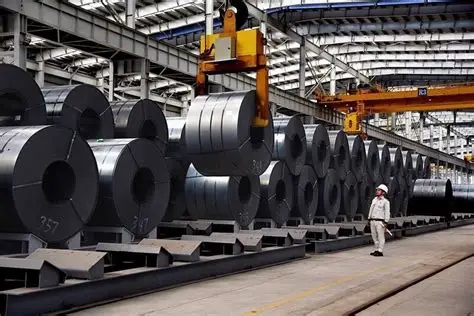
South Africa has increased import duties on several steel products to between 10% and 30% via a government notice to protect its struggling domestic manufacturing sector from weak demand and foreign competition. The updated tariffs target essential upstream and downstream products like flat-rolled iron, non-alloy steel, bars, rods, tubes, and pipes. Previously, the nation applied import duties ranging from zero to 15%. Cheap foreign shipments heavily pressure the local market, where imports constitute roughly 36% of total steel consumption. China alone drives the vast majority of these inflows, accounting for 73% of those imports. The continuous influx of low-priced steel has forced major regional manufacturers, including ArcelorMittal South Africa, to idle various mills and downsize operations over the past year to mitigate severe financial losses. “We are hoping that this decision will provide the local industry necessary space to adjust in a manner that allows them to invest in their capability,” ITAC Chief Commissioner Ayabonga Cawe stated. The broad intervention aligns with the maximum legally permitted import tariff rates under World Trade Organisation rules. Finance Minister Enoch Godongwana signed the emergency adjustment to prevent further widespread industrial job losses. This policy follows separate emergency trade actions executed in March, when South Africa enacted harsh, five-year anti-dumping duties reaching 74.98% on Chinese structural steel and up to 47.92% on coated flat steel.
Dangote Boosts Ethiopia Fertilizer Outlay to $4B in Expanded Continental Push

LAGOS— Nigerian billionaire Aliko Dangote has increased his conglomerate’s investment in a landmark Ethiopian fertilizer plant to more than $4 billion, up from an initial $2.5 billion commitment announced last year. The capital bump follows a site visit by Dangote and Ethiopian Prime Minister Abiy Ahmed to Gode in the southeastern Somali region to review construction progress on the massive industrial agriculture facility. “Our declared and signed investments in Ethiopia now exceed $4 billion,” Dangote stated. “This makes Ethiopia the second-largest recipient of our investments in Africa, accounting for nearly nine per cent of our continental outlay through 2030.” The expanded budget covers a broadened infrastructure scope, including a 110-kilometer natural gas pipeline, an on-site 120-megawatt power plant, a polypropylene packaging facility, and a 2-million-ton NPK blending plant. The core urea plant will maintain a production capacity of 3 million metric tons annually, positioned to fully substitute Ethiopia’s foreign imports and supply neighboring agricultural corridors across the Horn of Africa. “Africa has the capacity to feed itself and even export to the rest of the world,” Dangote added. “Our fertilizer investments across the continent are designed to unlock that potential.” Under the joint venture framework signed last August, the anchor investor Dangote Group retains a 60% equity stake in the project, while state-backed Ethiopian Investment Holdings controls the remaining 40%. Prime Minister Abiy Ahmed welcomed the expansion, noting, “This initiative represents far more than infrastructure. It is a strategic investment in Ethiopia’s agricultural transformation, food security, industrial growth, and economic self-reliance.” The development follows a critical $4.2 billion, 25-year upstream gas supply agreement secured by Dangote Group in March with China’s GCL Group to tap regional reserves from the nearby Calub field. Ethiopia remains heavily exposed to global market shocks, having imported roughly 2.32 million tons of fertilizer in recent cycles without any domestic primary production capabilities of inorganic inputs. Construction on the Gode complex officially commenced in October 2025, with full operational commissioning targeted to hit milestones ahead of the 2027 and 2029 regional trade rollouts.
Nigeria Sovereign Rating Upgraded to ‘B’ as FX Reforms Drive $50 Billion Reserve Cushion
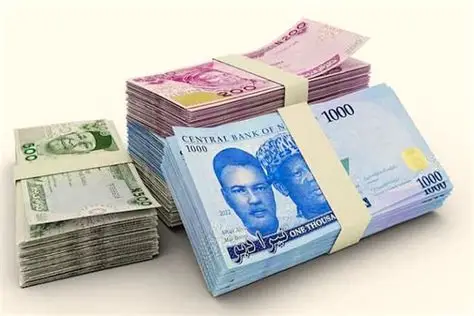
S&P Global Ratings upgraded Nigeria’s sovereign credit rating to B from B- with a stable outlook, marking the nation’s first upgrade from the agency in 14 years following aggressive economic reforms. The agency cited a fundamentally stronger Naira narrative underpinned by a sharp rise in market liquidity, with foreign exchange market turnover hitting a record $10 billion in April 2026 alone. This liquidity surge follows the successful dismantling of multiple exchange rate regimes, which restored external investor confidence and helped propel Nigeria’s gross foreign exchange reserves to $50 billion by March 2026. The structural floor under the currency has been further reinforced by the full-capacity rollout of the 650,000 bpd Dangote Refinery, which has significantly reduced the historical import drain from refined petroleum products. Global energy market dynamics also favor the oil producer, as S&P upwardly revised its Brent crude oil price assumption to $100 per barrel due to ongoing shipping constraints in the Middle East. On the fiscal front, Executive Order 9 has centralized petroleum revenue remissions, pushing projected government revenues to 12.4% of GDP and cutting the debt-to-revenue ratio down to 338% from 500% in 2023. This unified endorsement by S&P follows similar upward adjustments by Fitch and Moody’s, signaling a broad institutional validation that the administration’s macroeconomic policies are successfully rebuilding international capital market credibility. However, the agency cautioned that translating these improved balance of payments, expanding current account surpluses, and structural currency dynamics into relief for domestic consumer inflation remains a critical near-term policy challenge.
Nigeria Inflation Hits 5-Month High as Middle East Crisis Pressures Food Prices
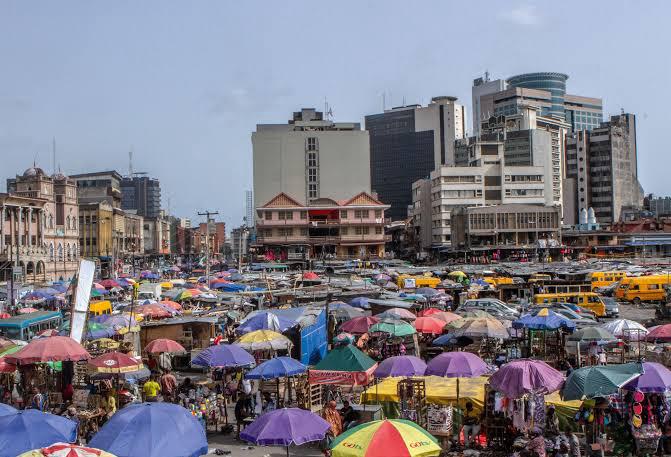
LAGOS — Nigeria’s headline inflation rose to 15.69% in April, marking a second consecutive monthly increase as the National Bureau of Statistics (NBS) reported a slight uptick on Friday from the 15.38% recorded in March. The current annual rate is substantially lower than the 26.82% seen in April 2025, yet the steady climb from February’s 15.06% low suggests a reversal of the disinflationary trend seen late last year. Month-on-month figures provided a different perspective, with price growth slowing to 2.13% in April. This is a significant deceleration from the 4.18% monthly spike observed just one month earlier in March. According to NBS Food inflation remains the primary pressure point, accelerating to 16.06% year-on-year. Analysts attribute this momentum to the pass-through effects of recent global fuel price shocks linked to ongoing Middle East conflicts. Core inflation, which excludes volatile energy and agricultural products, stood at 15.86% annually. Its monthly momentum slowed dramatically to 1.03%, suggesting that underlying inflationary pressures outside of food are beginning to stabilize. Geographically, rural consumers faced higher annual costs at 16.36%, while urban centers saw an inflation rate of 15.40%. Both sectors saw a reduction in the speed of monthly price increases in April. The report comes as the Central Bank of Nigeria prepares for its May Monetary Policy Committee meeting. Policymakers are currently balancing a benchmark interest rate of 26.5% against these rising annual figures. Financial analysts expect the central bank to hold rates steady next week, as the deceleration in monthly momentum suggests previous aggressive tightening is still effectively curbing broader liquidity.
I Provided All Infrastructure Needed for Construction of Lekki Refinery, Oil Mafia Tried to Stop Me – Dangote
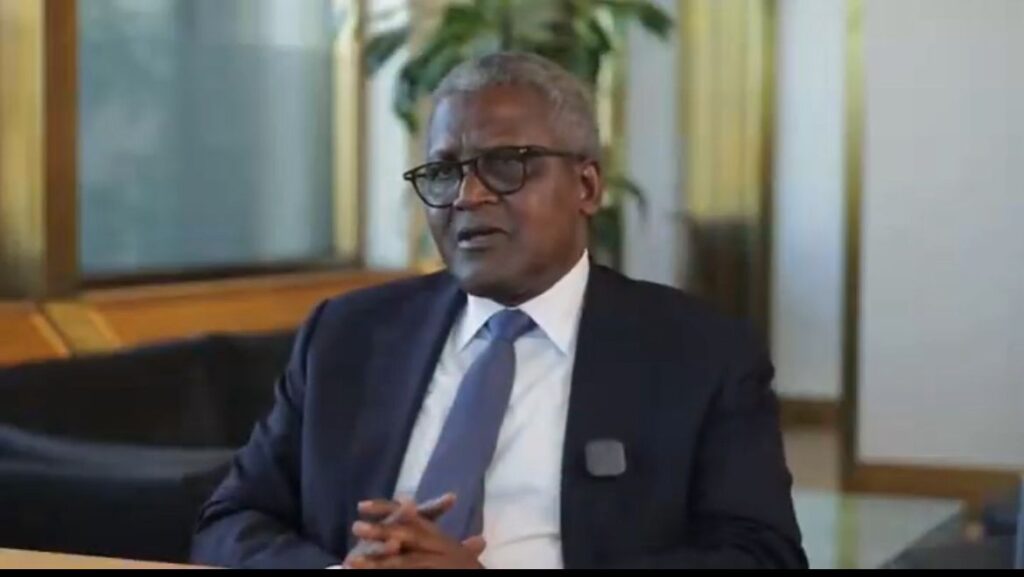
Africa’s foremost industrialist, Aliko Dangote, has revealed that he had to provide the seaport, roads, water facilities, and electricity needed for the construction of the world’s largest single-train refinery in Lekki. He noted that “oil mafias” attempted to stop him from building the 650,000-capacity refinery to ensure they continued to profit from petroleum imports. The Infrastructure Gap and Engineering Feats In a recent interview with Norges Bank Investment Management, the Billionaire explained that no port in Nigeria was capable of handling the heavy equipment required for the $20 billion refinery’s operations. This forced the group to build its own specialized jetty to receive modular components. “One piece was 3,000 tonnes… the crude distillation unit weighed 2,700 tonnes, and we have over 30 of these equipments which were mostly imported in modular forms,” Dangote said. This Crude Distillation Unit (CDU) is currently the largest of its kind in the world, and its installation required specialized “self-propelled modular transporters” just to move it from the jetty to the site. To sustain the project, Dangote also highlighted the massive scale of utility requirements. The refinery’s water department occupies over 30 hectares of land and provides over 440,000,000 liters of treated water. During its peak construction phase, the project employed 65,000 technical workers, supported by the world’s largest granite quarry and a massive on-site ready-mix concrete capacity built specifically for the project. Sabotage and the “Oil Mafia” Although the project was launched in 2013, land allocation disputes lingered for five years. Originally, the refinery was planned for the Olokola Free Trade Zone in Ogun State, but the shift to the current 2,635-hectare site in Lekki only happened after a prolonged regulatory deadlock. Dangote alleged that the “oil mafia” was behind these delays, trying to sabotage the project at its early stage to protect the lucrative importation business. “One part of the land [took] three and a half years, the other one and a half years… all this was being blocked by what we call the mafia in the oil business, to make sure we don’t come and address these issues… but we were determined,” Dangote said. He noted that these entities have long benefited from the complex “swap” deals and fuel subsidies that have historically drained Nigeria’s foreign exchange. Economic Hurdles and Financing The project’s financial landscape shifted dramatically over the decade. At the time the project started in 2013, the Naira was 156 per dollar. However, the currency later devalued significantly, reaching 1,900 per U.S. dollar by 2024 following the foreign exchange (FX) unification by the Central Bank of Nigeria (CBN). While the refinery was originally intended to be funded through the Dangote Group’s internally generated funds, the devaluation of the Naira forced the group to seek external support to bridge the gap and ensure the refinery could begin breaking the import monopoly. “We had to rely on African Export-Import Bank (Afreximbank), Africa Finance Corporation, Zenith Bank, Access Bank, UBA, and a couple of local banks,” Dangote stated. For foreign support, he mentioned Standard Bank of South Africa and Standard Chartered Bank of the United Kingdom (UK). By refining crude locally, the facility is now positioned to provide high-quality Euro-V spec fuels, significantly reducing the sulfur content in regional fuel and securing energy independence for West Africa.
Global Cocoa Prices Surge 24% As West African Supply Strains Trigger May Rally
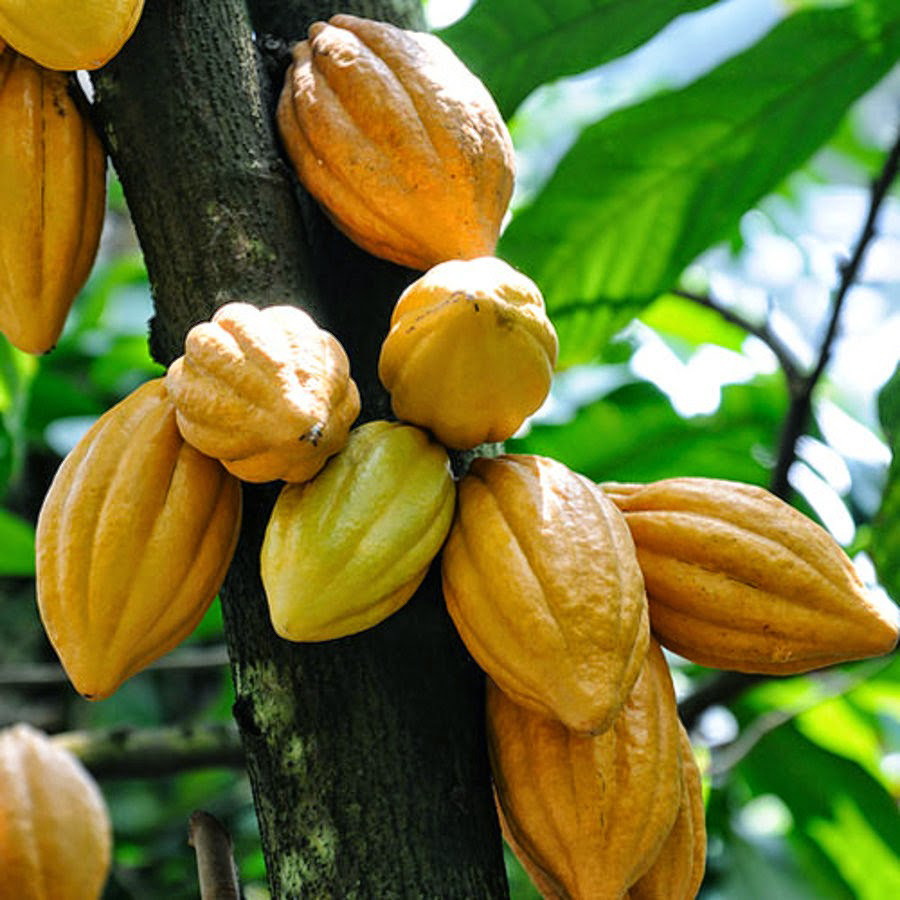
Cocoa futures surged 24% month-to-date in May, reclaiming the $4,400-per-tonne threshold. This rally effectively reverses the aggressive downturn recorded in January 2026, driven by renewed supply anxieties across West African corridors. The recovery marks a significant shift from the $2,888 lows seen earlier this year. Prices are now reacting to logistical bottlenecks in Ivory Coast and worsening weather forecasts threatening the mid-crop harvest stability. Supply chains are tightening as Ivorian farmer cooperatives stage protests over unpaid deliveries from the main-crop season. These blockades in key regions like Daloa have physically restricted bean movement to international export ports. Simultaneously, below-average rainfall in Ghana and Ivory Coast has fueled fears of a structural deficit. Analysts warn that dry conditions are undermining yield projections for the remainder of the 2025/26 cocoa cycle. Market volatility is further exacerbated by Ghana’s Cocobod seeking $1 billion in domestic financing. This move comes as debt restructuring continues to complicate the board’s traditional access to international credit for crop purchases. The $4,400 breach signals a technical breakout. After months of bearish sentiment following the January glut, speculators are returning to the market, viewing the current supply disruptions as a long-term price floor. This 24% jump highlights the fragility of global soft commodity markets in 2026. While early-year forecasts predicted a surplus, political and climatic variables in West Africa remain the primary arbiters of global pricing.
Billionaire Otedola Buys N43B shares in First HoldCo, Consolidates Bank Control

Billionaire investor Femi Otedola has tightened his control of First HoldCo Plc, acquiring additional shares worth N43.1 billion in a massive off-market transaction on the Nigerian Exchange on Wednesday, May 13, 2026. The acquisition involved approximately 546 million units at an average price of N79 per share, significantly increasing Otedola’s direct and indirect holdings in the financial services group to nearly 20%. Consequently, Olufemi Otedola’s stake in First HoldCo Plc has climbed from 8,055,314,486 units reported in 2025 audited accounts to 8,604,850,139 following the latest acquisition. First HoldCo plc is the parent company of First Bank Nigeria, a commercial bank with branches across Africa. Market data confirms the trade accounted for over 85 percent of the day’s total turnover on the NGX. This move reinforces Otedola’s position as the group’s largest individual shareholder following his 2023 chairmanship Otedola’s recent accumulation follows a similar N18.9 billion purchase in early 2026. This trend highlights a growing consolidation of ownership among Nigeria’s Tier-1 banks as regulatory pressures reshape the domestic financial landscape. In July 2025, two key stakeholders including a former chairman of First bank sold off their significant shares and exited the company in July 2025 after a series of boardroom disputes, thereby increasing Otedola’s influence in the company. First Bank had suffered a significant setback in 2025 fiscal year, forcing Otedola to admit that the company lost 92% of its 2025 profit to bad loans, which were only discovered in the 4th quarter of 2025. First HoldCo’s stock reacted positively to the news, gaining 3.5% to close at N81.80.
99% OPEC Target: Nigeria oil revenue hits $2.87b as Production increases
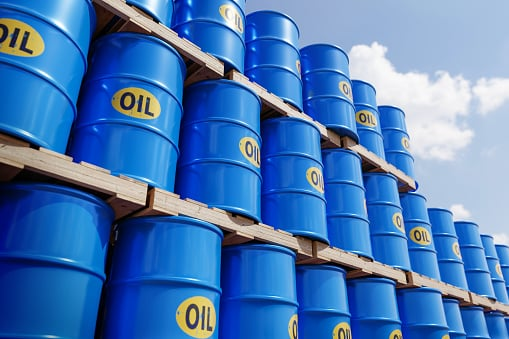
LAGOS — Nigeria generated N3.94 trillion ($2.87 billion) in excess oil revenue this April, driven by a rare combination of rebounding production and a geopolitical price spike. According to data released on Tuesday by the Nigerian Upstream Petroleum Regulatory Commission (NUPRC) crude production rose to 1,488,540 barrels per day (bpd), reaching 99.2% of Nigeria’s 1.5 million bpd OPEC quota. Total liquids output, including condensates, hit 1,663,413 bpd. The revenue windfall was largely fueled by global Brent prices averaging $127 per barrel following the U.S.-Iran crisis. This significantly exceeded the $64.85 price peg in the 2026 national budget. Analysts estimate the daily revenue surplus at N131.42 billion ($95.7 million). Over the 30 days of April, this provided a critical fiscal buffer for a government managing high debt-servicing costs. The Upstream Regulator attributed the output growth to efficiency gains at the Bonga offshore terminal and the introduction of the new Cawthorne export grade. “This implies that Nigeria met 99.2% of its 1.5mbpd OPEC quota of crude oil.The figure also represents a 7.58% increase when compared to the month of March.The peak production in April was 1.85mbpd while the lowest production for the month was 1.46mbpd.” NUPRC said in a post on X (Twitter). While production is the highest in 2026, it still lags behind the 1.8 million bpd national budget target. This volume gap remains a key concern for long-term fiscal stability. However, crude oil supply to domestic refineries also improved in the first quarter of 2026, with the 650,000 bpd Dangote Refinery receiving 10 Cargoes (double of its monthly 5 cargoes supply) in March. Meanwhile, high global crude costs have simultaneously pushed local petrol prices to N1,400 per litre. The combined two-month windfall for March and April has now reached N5.13 trillion ($3.74 billion). Observers say sustaining production above 1.6 million bpd is essential to capitalize on the current price rally