

Braking is Not an Option: Ogho Okiti Urges Nigeria to Accelerate Economic Reforms
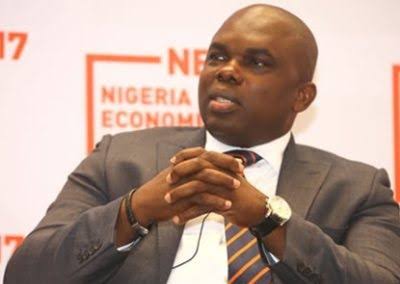
LAGOS— Despite political pressure from the?upcoming 2027 Nigerian general election, Economist and CEO of ThinkBusiness Africa, Dr. Ogho Okiti, has cautioned against reversing the federal government’s current macroeconomic reforms, asserting that Nigeria’s path to sustained economic growth lies in deepening, not abandoning, the current trajectory. Discussing with WebTV Nigeria on the Q1 2026 GDP report, which showed a growth of 3.89%, the strongest first-quarter performance in a decade-Dr. Okiti emphasized that the economy has seen a “nearly double” rate of growth compared to 2023, and these results validate the profound structural reforms undertaken over the last three years by the Bola Tinubu led administration. Key to this growth, Okiti noted, are the administration’s most significant policy actions: the removal of fuel subsidies and the liberalization/unification of the exchange rate. He categorized these as the most consequential economic reforms in Nigeria’s history, directly responsible for the current upward momentum in the GDP trajectory. “This is not the time to reverse any reform. This is the time to do more reforms because there are still structural weaknesses,” Dr. Okiti stated during a recent interview. He identified four critical structural bottlenecks: unreliable power infrastructure, an excessively large informal sector, significant skills gaps, and systemic income inequality. These factors hinder the translation of macro gains into micro-level benefits. Dr. Okiti emphasized the need to decentralize economic decision-making. He criticized the reliance on a “one-man” governance style, suggesting that faster, local-level decision-making is essential to catalyze true socio-economic development. Looking toward 2027, the economist maintains a positive outlook. He believes recent policies have built resilience, pointing to the lack of fuel supply disruptions despite price spikes as a sign of progress.
Nigeria Economic Reforms Deliver Market Stability But Fail To Relieve Public, Report Finds
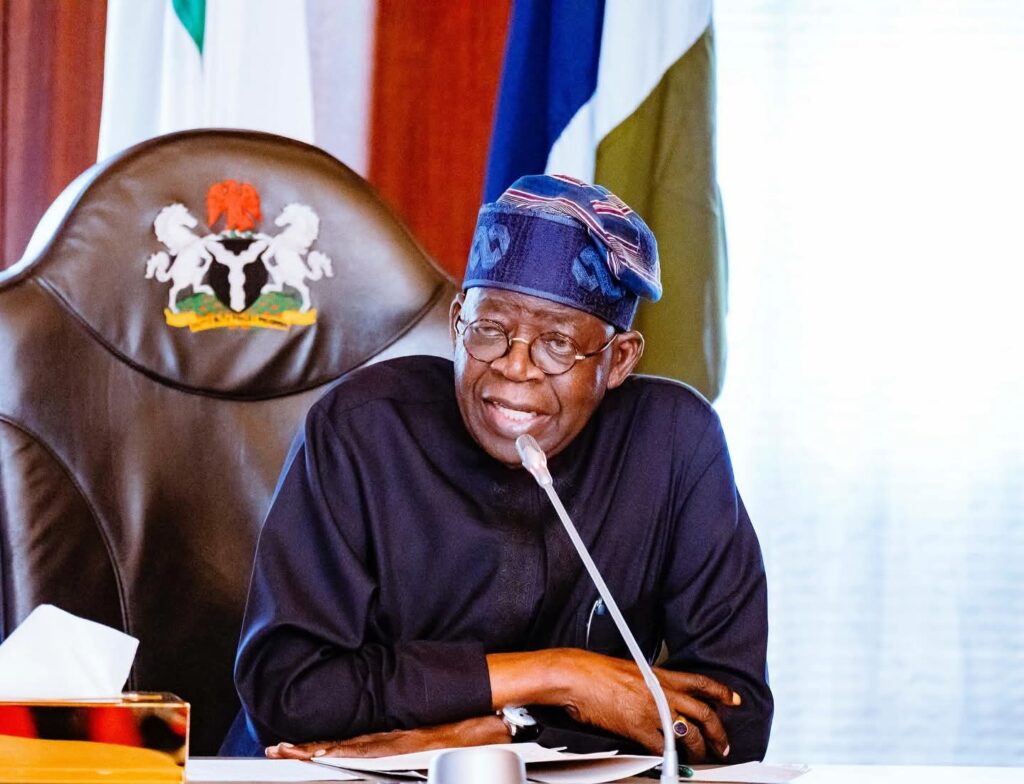
LAGOS – President Bola Tinubu’s first three years in office successfully averted a major macroeconomic meltdown through bold structural reforms, yet these policy victories have failed to yield meaningful welfare improvements for ordinary Nigerians. The Centre for the Promotion of Private Enterprise (CPPE) disclosed this in an economic assessment brief released Sunday. The report evaluated the administration’s performance between May 2023 and May 2026. According to CPPE, the administration’s aggressive monetary and fiscal interventions pulled the country back from the brink of total collapse, significantly boosting foreign investor confidence and stabilizing institutional markets. Data shows Nigeria’s external reserves climbed near the $50 billion mark, while the unification of foreign exchange windows helped stabilize the volatile Naira around N1,400 per dollar at the official window. Furthermore, domestic refining capacity improvements, largely led by the Dangote Refinery, drastically slashed foreign exchange demand for imported fuel, helping Nigeria maintain consecutive trade surpluses into the first half of 2026. National Bureau of Statistics data also shows real Gross Domestic Product grew by 3.89% year-on-year in the first quarter of 2026, up from 3.13% recorded in 2025. However, the think tank stressed that these positive macroeconomic indicators have not translated into prosperity for citizens, as severe inflation continues to decimate household incomes and consumer purchasing power. The CPPE revealed that the aggressive economic adjustment process bloated Nigeria’s public debt profile to a historic N159.3 trillion, heavily driven by currency depreciation and the securitization of Central Bank overdrafts. Additionally, critical production sectors remain severely constrained, with data showing a sharp 15.30% contraction in the electricity and gas sectors during the first quarter of 2026, crippling local manufacturing. “The administration faces the task of turning reform gains into job creation, increased incomes, reduced poverty levels, and improved quality of life for Nigerians,” stated CPPE Chief Executive Officer, Dr. Muda Yusuf. Yusuf added that persistent rural insecurity remains a massive structural bottleneck, crippling agricultural hubs, driving food scarcity, and keeping structural inflation painfully high for the vulnerable population. To bridge this severe welfare gap, the CPPE urged the federal government to urgently transition its policy focus away from mere economic stabilization toward inclusive, productivity-driven shared prosperity. The body recommended enforcing concessional tariffs on industrial inputs, tackling public sector fiscal leakages, and prioritizing the safety of farming communities to permanently bring down food costs.
African Airlines Buck Global Decline as April Seat Occupancy Rises to 77.9%

African airlines raised international seat occupancy to 77.9% in April 2026, gaining 0.7 percentage points from last year as regional passenger demand steadily outpaced capacity expansions. The International Air Transport Association data showed African passenger demand climbed 2.2% year-on-year. Regional capacity grew by 1.2%, proving the continent’s aviation sector remains highly resilient despite severe global headwinds. The positive performance occurred as global passenger demand fell 3.4% overall. Geopolitical tensions and intense fighting in the Middle East severely dragged down international flight traffic metrics across major travel corridors. Aviation markets remain unstable, with jet fuel prices more than doubling in April. This specific surge severely inflated baseline airline operating costs and triggered upward pressure on international ticket pricing. “The 46.6% fall in demand for carriers in the Middle East due to war was so acute that it dragged overall demand down,” said Willie Walsh, IATA Director General. Walsh noted that airlines are trimming forward schedules to balance skyrocketing fuel expenses with weakening consumer demand. Middle Eastern carriers saw demand plunge 48.1%, leaving their load factors at 70.1%. Conversely, European direct traffic to Asia surged 15.3% as travelers actively bypassed disrupted transit hubs in the Gulf. Other global regions posted mixed results. Latin American carriers led international growth at 8.9%, while Asia-Pacific airlines climbed 3.0%, achieving a record regional April load factor of 87.5%. Meanwhile, North American international demand flattened. Global domestic travel also stalled completely, with noticeable traffic declines across India and the United States canceling out marginal growth recorded in Japan and China.
Kenya Headline Inflation Hits 29-Month High of 6.7% as Fuel Shocks Bite

Kenya’s headline inflation accelerated sharply to 6.7% in May 2026 from 5.6% in April, driven by domestic fuel price hikes linked to the ongoing Middle East conflict, the statistics office reported Friday. The Kenya National Bureau of Statistics (KNBS) confirmed that consumer prices reached their highest level since January 2024, pushing inflation dangerously close to the government’s upper target ceiling of 7.5%. Aggressive price surges across key non-discretionary sectors fueled the spike. Transport costs led the momentum with a 16.5% jump, while food and non-alcoholic beverages increased by 9.4% over the 12-month period. Housing, water, electricity, gas, and other fuels also ticked up by 3.4%. Collectively, these three heavy-weight categories comprise over 57% of the total national consumer inflation basket. The rapid cost-of-living acceleration comes despite aggressive state interventions. The government previously cut petroleum VAT from 16% to 8% and deployed 6.2 billion shillings ($40 million) via the fuel stabilization fund. This persistent, supply-side inflationary pressure now leaves the Central Bank of Kenya (CBK) in a complex position ahead of its upcoming Monetary Policy Committee interest rate review scheduled for June 9. Monetary policymakers previously held the benchmark Central Bank Rate steady at 8.75% during their April meeting, but this two-month inflationary surge heavily tables the prospect of a hawkish policy turnaround.
Stronger Dollar, Oil Surge Pull Gold Prices to Two-Month Low Amid U.S.-Iran Clashes

LAGOS — Gold prices tumbled to a two-month low Thursday as fresh U.S. military strikes on Iran propelled the dollar higher and triggered a sharp surge in global crude oil prices. Spot gold fell 1.5% to $4,389 per ounce, its lowest level since late March, wiped out by a rallying U.S. dollar that made greenback-priced commodities more expensive for international buyers. The geopolitical escalation near the Strait of Hormuz simultaneously drove Brent crude futures up 3.6% toward $97 a barrel, stoking intense global fears of an energy-driven structural inflation spiral. These compounding supply-side inflation risks have heavily clouded the Federal Reserve’s interest rate outlook, forcing policymakers to signal potential rate hikes to curb rising energy costs. Because bullion yields no interest, the prospect of prolonged high interest rates dramatically increases the asset’s opportunity cost, prompting investors to liquidate gold positions for rising Treasury yields. The market reaction highlights a sharp reversal from early 2026 trends, where safe-haven demand amidst Middle East tensions initially pushed gold prices to historic, record-breaking highs. Silver prices also plummeted in tandem, dropping over 2.5% to $72.37 per ounce, reflecting a broader, systemic liquidation across precious metals as liquidity shifted rapidly into the dollar. Market participants are now closely watching upcoming U.S. inflation data to gauge whether the Federal Reserve will officially pivot toward tighter monetary policy following the oil shock.
Defying Easing Signals, Nigerian Bank Reserves Surge as Informal Cash Drops 2%
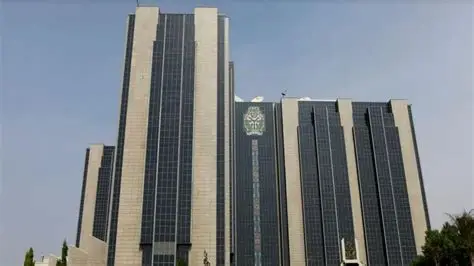
LAGOS – Cash held outside Nigeria’s banking system declined by N104.76 billion between February and April 2026, defying expectations following the Central Bank of Nigeria’s decision to cut interest rates at its first annual policy meeting in February. Latest data from the apex bank reveals that currency outside bank vaults dropped 2.02% from N5.19 trillion in February—when the Monetary Policy Rate was reduced to 26.5%—down to N5.08 trillion in April. The contraction indicates a surprise tightening of cash liquidity within the formal economy, moving away from informal channels despite a lower benchmark interest rate that traditionally encourages spending over saving. Concurrently, total currency in circulation fell by N63.46 billion to N5.65 trillion in April, meaning currency held outside banks now accounts for 90.03% of total cash, down from 94.33% in December 2025. The Central Bank did not publish money and credit statistics for March 2026, preventing a month-on-month comparison, but the two-month aggregate trend underscores a clear structural shift. Meanwhile, commercial bank reserves held at the central bank spiked 5.68% during the review period, expanding by N1.86 trillion to hit N34.60 trillion by April 2026. This liquidity shift aligns with broader macroeconomic realities, as recent data puts Nigeria’s headline inflation rate at 15.69% for April 2026, keeping real interest rates firmly positive. Market analysts note that aggressive open market operations by the apex bank alongside stricter digital transaction compliance frameworks have continuously forced informal capital back into the formal banking system. However, cash dominance persists long-term; currency outside banks is up 11.29% year-on-year from the N4.57 trillion recorded in April 2025, showing the informal sector’s enduring grip.
Zero Tariff: Nigerian Agribusiness Taps China Market with 747-Ton Bone Pellet Shipment to Dalian

A 747-ton batch of Nigerian cattle bone pellets recently arrived at Dalian Port, China, signaling a major breakthrough for local agribusiness under Beijing’s newly expanded trade frameworks. The bulk cargo cleared customs at the major northeastern Chinese logistics hub as one of the earliest processed agricultural derivative shipments from West Africa to benefit from fresh, duty-free market access. This arrival follows the official launch of China’s comprehensive zero-tariff policy on May 1, 2026, which granted unilateral duty-free access to 53 African nations, including Nigeria, covering 100% of tariff lines. However, the non-oil shipment represents a structural departure from traditional bilateral trade dynamics, which have long been dominated by raw Nigerian crude oil exports counterbalanced by inflows of finished Chinese manufactured goods. Cattle bone pellets serve as high-value industrial inputs in China’s domestic manufacturing sectors, where specialized chemical and biomedical factories process the raw material into pharmaceutical gelatins, collagen casings, and premium bone china. The zero-tariff treatment eliminates previous import duties ranging from 8% to 30%, drastically lowering entry barriers for African agro-processors trying to compete inside the world’s largest consumer trading market. “Exporting raw commodities keeps Africa trapped in low-value trade,” said international trade specialist Mr. Tesman Irabor. “China could import raw materials, process them, and re-export finished goods—even back to Africa.” He told ThinkBusiness Africa on Tuesday. Irabor noted that the current zero-tariff window provides an unprecedented structural opportunity for continental agribusinesses to aggressively scale up local factory operations and transition toward value-added export processing. Chinese demand for agricultural imports remains strong, with bilateral trade between China and Africa growing 23.7% year-on-year during the first quarter of 2026, outperforming general global trade averages. While the zero-tariff policy eliminates financial duties, Nigerian exporters face stringent biosecurity and quarantine standards enforced by the General Administration of Customs of China regarding moisture, pests, and chemical residues. Industry experts are urging public-private collaboration to set up digital traceability tools and robust food processing facilities, ensuring local products consistently satisfy rigid international health and safety protocols. Proponents also highlight the need to balance aggressive commodity exporting with domestic supplies, warning that uncontrolled agro-industrial outflows could trigger localized food shortages and price spikes within domestic markets. “The zero tariff policy is not just a trade incentive—it is a structural opportunity for Africa to industrialize its agriculture, deepen value chains, and access a massive, stable market. “But the real winners will be agribusinesses that move beyond raw commodity exports into value addition, quality assurance, and strategic market positioning.” Mr. Irabor said. By integrating regional supply lines through the African Continental Free Trade Area, Nigerian firms can source raw agricultural materials regionally, process them locally, and ship finished products toward East Asian ports.
Nigeria’s Q1 2026 GDP Expands to 3.89% on Services Sector Strength
LAGOS – Nigeria’s Gross Domestic Product grew by 3.89% year-on-year in real terms in the first quarter of 2026, driven by a dominant services sector, the National Bureau of Statistics (NBS) reported on Monday. The economic expansion reflects a significant acceleration from the 3.13% growth recorded in the corresponding quarter of 2025, though it shows a marginal deceleration from the 4.07% performance in the preceding quarter. According to the bureau’s data, the aggregate nominal value of the economy reached ₦110.79 trillion ($80.69 billion) during the three-month period under review, while real GDP stood at ₦51.26 trillion. The services sector sustained its status as the primary engine of national economic output, contributing a commanding 57.73% share to the total aggregate GDP in the first quarter of the year. The strong quarterly start builds directly onto the positive growth trajectory observed throughout last year, where full-year economic growth concluded at a resilient 3.87%, up from 3.38% recorded in 2024. However, the quarter’s positive growth trajectory collided with a severe global energy price shock triggered by the escalation of the U.S.–Iran conflict, which severely disrupted domestic price stability. The geopolitical confrontation pushed global Brent crude prices to average an elevated $100 per barrel for 11 consecutive weeks, triggering a sharp domestic fuel price shock across Nigeria. “The growth numbers demonstrate structural resilience in the non-oil economy, particularly telecommunications and financial services,” an NBS official stated during the report’s presentation in Abuja. The sudden energy crisis effectively ended an 11-month streak of declining inflation, forcing a sharp trend reversal as domestic transportation and logistics costs surged by 16.9% in March alone. Economic analysts maintain that sustaining this momentum requires stronger non-oil productivity and structural fiscal interventions, particularly as high consumer prices and foreign exchange volatility continue to test domestic purchasing power.
IMF Veteran Takes the Helm of Benin’s Finance Ministry

LAGOS — Newly inaugurated Beninese President Romuald Wadagni has appointed Aristide Medenou, a former International Monetary Fund economist and finance ministry veteran, as the country’s new minister of economy, finance, and cooperation. The strategic appointment was confirmed in an official statement broadcast on state television, signaling a strong commitment to institutional continuity and fiscal discipline under the newly formed administration. Medenou brings deep institutional knowledge to the post, having served within the finance ministry between 2014 and 2022 before transitioning to his role at the IMF. He later returned from the fund in 2023 to serve as the director-general of the economy at the ministry, positioned directly beneath Wadagni during the latter’s highly praised tenure as finance chief. “I will serve Benin with integrity, courage, and commitment,” President Wadagni stated during his inaugural address in Cotonou, emphasizing that economic growth must directly translate into tangible opportunities for the population. The structural transition occurs as Benin’s economy demonstrates significant resilience. Real gross domestic product growth accelerated to 8.0% during the first three quarters of last year, heavily driven by agriculture and construction. Concurrently, a major 35% recovery in merchandise traffic at the Port of Cotonou has successfully offset previous regional border disruptions, providing a strong financial foundation for the incoming cabinet. Maintaining international investor confidence remains paramount. Under Wadagni’s previous tenure as finance minister, aggressive fiscal consolidation successfully narrowed Benin’s overall budget deficit down to 3.1% of gross domestic product. The incoming finance chief faces the immediate challenge of sustaining this performance. The approved 2026 budget strictly mandates adherence to the West African Economic and Monetary Union’s regional deficit ceiling of 3%. Furthermore, the new treasury leadership must carefully balance these stringent domestic revenue mobilization efforts against expanding capital expenditure requirements for critical infrastructure, social safety nets, and rising border security operations.
UN Allocates $60 Million to Contain Deadly Ebola Outbreak in Congo

LAGOS — The United Nations is releasing approximately $60 million from its emergency fund to combat a rapidly escalating Ebola outbreak in the Democratic Republic of Congo (DRC), the UN aid chief announced Friday. UN humanitarian chief Tom Fletcher confirmed the funding surge, adding that additional emergency staff are being deployed immediately to reinforce frontline operations in the country’s volatile northeastern territory. The intervention targets the eastern Ituri province, where the World Health Organization recently declared the crisis a public health emergency of international concern due to severe regional transmission risks. “We need to get ahead of this Ebola outbreak,” Fletcher stated. “These are tough operating environments for lifesaving work. We face conflict and high population movement.” Medical experts revealed the outbreak is driven by the rare Bundibugyo strain. Because there is no approved vaccine or specific treatment for this variant, containment depends entirely on isolation and tracking. Compounding the crisis, health officials believe the virus circulated undetected for two months before its official confirmation on May 15, allowing it to spread widely across mobile border populations. The undetected spread has resulted in 160 suspected deaths out of 670 suspected cases. Health teams have already identified cross-border cases moving into intensive care units in neighbouring Uganda. However, in Uganda authorities have quarantined over 100 persons following spread of the deadly Bundibugyo strain. Uganda President Yoweri K Museveni, said on Thursday that everything is under control and no “cause for alarm,” with hope to keep the economy alive. “Regarding Ebola, there is no cause for alarm. We are applying targeted measures and continuing to work scientifically to keep people safe while keeping our economy open.” President Museveni said in post on X (Twitter) Logistics are severely hampered by local militia conflicts and a massive humanitarian crisis, with over 26 million Congolese facing acute food insecurity and compromised immune systems. The UN allocation will finance an emergency logistics air bridge managed by the World Food Programme and MONUSCO to transport critical protective gear, water purification kits, and medical tents. International partners are moving to bolster the response, with Norway contributing an additional 50 million kroner to the World Health Organization’s health contingencies fund on Friday.