

Nigeria Bets $50 Billion on Deepwater Revival with New Tax Incentives

Nigerian President, Bola Tinubu has signed a landmark order offering tax credits to unlock up to $50 billion in deep offshore oil and gas investment, targeting long-stalled projects. The announcement came in a statement posted by the president on X and detailed by the State House on Tuesday, following the Deep Offshore Oil and Gas Projects Incentives (Tax Remission) Order. The framework begins with Shell’s approximately $10 billion Bonga South West project and sets a December 31, 2029 deadline for final investment decisions on existing leases to secure full incentives. “We cannot afford to leave that opportunity beneath our waters for another decade,” Tinubu said, stressing the need for investor certainty amid global competition for capital. Production tax credits start at $3 to $4.50 per barrel, or 20% of the fiscal oil price, depending on reserve size, according to the official order. Nigeria’s oil output has recovered to around 1.6–1.7 million barrels per day in 2026, yet deepwater developments have languished for nearly two decades due to fiscal uncertainty and high costs. This marks the tenth major oil and gas policy under Tinubu’s administration, aimed at restoring competitiveness after years of declining investment. The order grew from Tinubu’s earlier engagement with Shell CEO Wael Sawan, shifting from project-specific deals to a transparent, rules-based system applicable across qualifying assets. “Projects qualifying under the framework will maximise execution within Nigeria wherever commercially and technically feasible,” said special adviser Olu Arowolo-Verheijen, highlighting gains for local engineering, fabrication and jobs. State firm NNPC Limited can now amend production-sharing contracts to implement the incentives while protecting national value. Tinubu framed success in concrete terms: more jobs, stronger Nigerian firms, higher production, increased federation revenues and domestic industrial capacity. “The countries that attract long-term investment are not necessarily those with the greatest natural resources. They are the ones that provide the greatest certainty,” he stated. Analysts note the move addresses investor complaints that Nigeria’s shifting terms had deterred multi-billion-dollar commitments, even as other African producers competed aggressively for capital. If realised, the pipeline could position Nigeria as Africa’s deepwater project hub, turning stranded reserves into sustained output and skills for a new generation of workers.
Oil Extends Rally to Multi-Week Highs Amid Geopolitical Tensions Ahead of U.S. Inflation Data
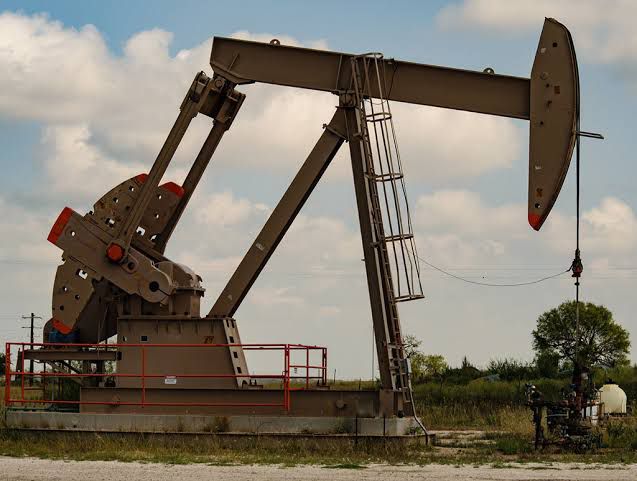
Global oil prices surged on Wednesday as escalating geopolitical risks and impending U.S. inflation data drove Brent crude up 0.78% to $89.60 per barrel and U.S. WTI crude 0.89% higher to $83.94. According to market data, the gains extend a strong multi-day rally following a 5% surge on Monday and a $1-plus rise on Tuesday, pushing both benchmarks to their highest closing levels since July 31. The commodity rally remains underpinned by mounting Middle East security risks and supply chain friction. Energy traders continue to price in heightened risk premiums while monitoring output discipline from major global producers. Market participants are simultaneously bracing for crucial U.S. Consumer Price Index figures. A hotter-than-expected inflation reading could prompt the Federal Reserve to maintain elevated interest rates, posing potential headwinds for future global energy demand. Reflecting this macroeconomic uncertainty, regional equity indices traded with cautious volatility, edging nervously higher as investors balanced energy sector momentum against potential policy tightening across major capital markets.
Oil Holds Near One-Week Highs as U.S.-Iran Negotiations Stall
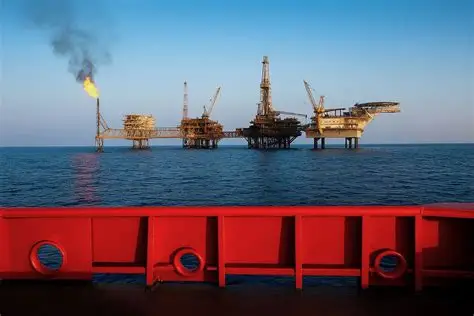
Global oil prices held firm near multi-week highs Tuesday as fading diplomatic progress between Washington and Tehran kept supply risks elevated across energy markets. International benchmark Brent crude slipped 10 cents, or 0.11%, to $87.62 a barrel, while U.S. West Texas Intermediate dropped 5 cents, or 0.06%, to $82.08. The minor pause follows a sharp 5% rally in the previous session after U.S. President Donald Trump demanded full war compensation from Tehran, retaliating against similar reparation demands issued by Iranian officials. The rhetoric has derailed delicate negotiations mediated by Oman, dashing investor hopes for an immediate deal to reopen the Strait of Hormuz and lift the ongoing U.S. naval blockade. The strategic maritime passage previously carried nearly one-fifth of global crude petroleum and liquefied natural gas shipments before military clashes erupted earlier this year. Crude benchmarks had tumbled over 7% last week amid reports that shipping lane protocols were nearing completion, but talks hit an impasse over prerequisite demands. Iranian Foreign Ministry officials reiterated that the transit corridor will remain closed to commercial traffic until Washington ends military operations, lifts economic sanctions, and compensates the Islamic Republic. Traders are now pricing in a prolonged geopolitical risk premium, with analysts projecting crude could remain range-bound between $75 and $95 per barrel until diplomatic momentum resumes.
Oil Rallies as Hormuz Reopening Hangs on Iranian Demands
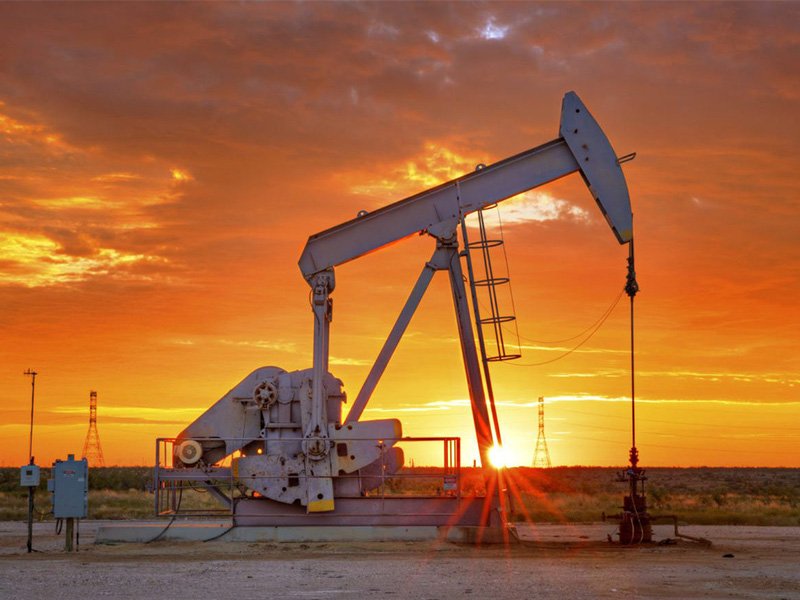
Global oil prices surged Monday amid growing market anxiety that the crucial Strait of Hormuz will remain blocked despite diplomatic talks. Brent crude futures gained 91 cents, or 1.09%, to hit $84.46 a barrel, while U.S. West Texas Intermediate (WTI) rose 61 cents, or 0.78%, to $78.79. The rebound follows a sharp weekly plunge of over 7%. Traders initially priced in optimism over a potential resolution before Tehran issued strict caveats regarding transit access. Although Iran stated its maritime agreement with Oman is in final stages, Tehran insists the U.S. must meet additional conditions—including compensation demands—before unrestricted commercial passage resumes. The strategic chokepoint historically handles nearly 20% of global petroleum consumption. Energy analysts warn prices will remain volatile until tankers physically transit safely without geopolitical friction.
Oil Prices Rebound as U.S.-Iran Peace Talks Hit Diplomatic Stalemate
Oil benchmarks rebounded Tuesday, regaining lost ground as diplomatic friction between Washington and Tehran raised fresh concerns over persistent Middle East supply risks. Brent crude futures rose $1.12, or 1.3%, to $84.89 per barrel, following a steep 7% plunge to a three-week low in the previous session, according to market data. Simultaneously, U.S. West Texas Intermediate (WTI) crude advanced 77 cents, or 1%, to $81.11 per barrel, stabilizing after dropping more than 5% to its lowest level in nearly a week. The previous session’s selloff was triggered by comments from U.S. President Donald Trump indicating a temporary pause on military strikes against Iran to facilitate ongoing negotiations. However, market optimism proved short-lived after Iranian Foreign Ministry spokesperson Esmail Baghaei denied that any direct talks or scheduled meetings were taking place with Washington. The conflict continues to disrupt maritime transit through the Strait of Hormuz, a critical bottleneck that handled roughly 20% of global daily crude consumption prior to the war. Washington asserts that a June memorandum requires Tehran to fully reopen the channel, while Iranian officials maintain the accord preserves their domestic sovereign authority over the waterway. Despite ongoing transit risks, recent tracking data indicates that combined crude and product exports passing through the strategic strait briefly rose to 4.2 million barrels per day. That figure marks a notable increase from the 3.2 million barrels per day recorded during the previous week, though major shipping operators still face heightened security risks.
Crude Plunges 5% as Trump Pauses Iran Attacks to Secure Hormuz Deal
Global crude oil prices crashed over 5% on Monday after U.S. President Donald Trump suspended planned military strikes on Iran, opting to negotiate a deal to open the Strait of Hormuz. Brent crude futures plunged $4.49, or 5.11%, to $83.44 per barrel. Concurrently, U.S. West Texas Intermediate dropped $4.90, or 5.79%, to settle at $79.77 per barrel. The sudden market retreat follows a sharp rally last month when both benchmarks surged over 20% due to escalating strikes on Middle Eastern oil tankers and energy facilities. Trump announced via Truth Social that Washington agreed to hold off on fresh attacks after Middle Eastern allies requested time to finalize negotiations addressing Tehran’s nuclear capabilities. A primary condition for the truce requires the immediate, complete reopening of the Strait of Hormuz, a critical maritime transit point handling roughly 20% of global daily petroleum flows. “We have just been asked by Iran, and other Middle Eastern Countries, to hold off any attack in that the perimeters of a deal has been agreed to.” Trump said. Despite early market relief, analysts warn that supply risks remain elevated, as shipping operators require firm security guarantees before resuming normal traffic through the volatile waterway.
Oil Prices Drop on Easing Chokepoint Supply Friction, Maintain 20% Monthly Gain
Crude oil prices fell early Friday as increased tanker flows through crucial maritime chokepoints relieved immediate supply worries. However, both global benchmarks remained on track for a monthly surge of roughly 20%. According to market trading data, Brent crude futures fell $1.03, or 1.2$, to $88.00 a barrel by 0215 GMT. U.S. West Texas Intermediate slipped $1.50, or 1.8%, to $82.09 a barrel. The downward session pressure comes despite a lack of major diplomatic breakthroughs in ongoing negotiations between Washington and Tehran over regional security, leaving an underlying geopolitical risk premium firmly embedded in energy prices. Improving vessel transit through strategic waterways like the Strait of Hormuz helped temper immediate supply disruption fears, balancing elevated geopolitical risks that have driven market volatility throughout the month. Further supporting the broader monthly rally, U.S. commercial crude inventories plunged by 7.2 million barrels to 404.5 million barrels in late July, touching their lowest operational levels since 2018, government data showed.
Crude Oil Surges Over 4% as U.S. Stockpiles Shrink
Global crude oil prices rose by more than $2 a barrel on Wednesday morning. Brent crude surged 4.3% to $87.70 per barrel, while U.S. West Texas Intermediate climbed 4.2% to $82.60 per barrel. According to data released by the American Petroleum Institute, U.S. crude inventories registered an unexpected drawdown. The sharp rebound followed a major decline in commercial stockpiles, reversing the previous session’s losses. The drawdown defied market expectations of steady supply levels. Tighter domestic inventories signaled stronger consumer demand and constrained regional storage, prompting aggressive buying across global commodity exchanges during early Asian trade. The recovery follows a volatile week for energy benchmarks. Prices dropped over 4% on Tuesday as traders reacted to a temporary pause in fighting between Washington and Tehran, which temporarily eased supply fears. However, ongoing risks along key shipping lanes around the Strait of Hormuz, combined with potential OPEC+ production pauses, quickly restored the geopolitical risk premium to global crude markets.
Oil Advances Above $92 as U.S. Attacks Iranian Targets and Houthis Threaten Shipping
LAGOS – Global oil prices extended gains Wednesday as Brent crude rose 1.1% to $92.01 a barrel and West Texas Intermediate climbed 1.0% to $85.16 amid escalating Middle East supply concerns. The rally came after U.S. forces struck Iranian military installations, including drone facilities and operational centers, for an 11th consecutive night to counter threats against commercial maritime vessels. Shipping friction worsened as multiple oil tankers executed U-turns in the Red Sea following warnings from Yemen’s Iran-backed Houthi militia, opening a new disruption front targeting regional crude traffic. The price action extends momentum from a recent 15% weekly surge, as escalating regional blockades threaten flows through maritime chokepoints that normally carry roughly 20% of global oil supplies. Energy markets are ignoring preliminary figures showing a build in U.S. crude inventories, as traders remain focused on potential seaborne supply losses ahead of official government inventory data.
Oil Prices Surge Past $90 Amid Escalating US-Iran Conflict
LAGOS – Global oil prices jumped over 3% on Monday, with benchmark Brent crude breaching $90 a barrel as intensifying military exchanges between the United States and Iran severely restricted energy shipments through the strategic Strait of Hormuz. Brent crude futures climbed 3.05% to $90.79 a barrel, while U.S. West Texas Intermediate rose 2.65% to $84.68. The surge extends a massive rally from last week, where Brent gained 15.9%. The price spike followed a ninth consecutive night of U.S. airstrikes against Iran. Tensions exploded after Tehran declared the collapse of a brief, month-old provisional ceasefire agreement. Compounding market fears, the United Kingdom Maritime Trade Operations reported a commercial vessel caught fire northwest of Oman. Meanwhile, Kuwaiti authorities confirmed an Iranian strike damaged a domestic oil facility over the weekend. The escalating theater has directly choked the Strait of Hormuz, a choke point handling 20% of global petroleum trade. Ship transits plummeted to just four vessels on Sunday, down from eight the prior day. A newly reinstated U.S. naval blockade on Iranian ports faces a counter-offensive from Tehran, which has begun intercepting commercial tankers. This dual-blockade dynamic has triggered an aggressive pricing of risk by energy traders. Analysts warn the market is highly vulnerable to supply shocks. Barclays reported that global crude inventories outside China have hit a five-year low, leaving virtually no structural buffer if Middle East infrastructure suffers permanent damage.