

Ruto Ties UN Seat Push to Africa’s $2 Trillion Capital Pool
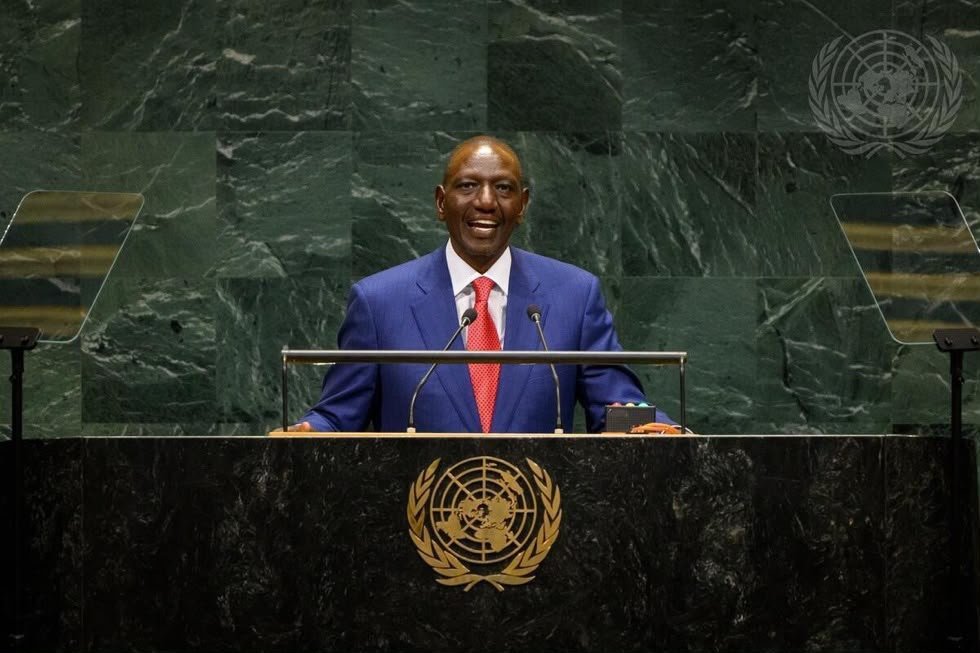
President William Ruto of Kenya told the 81st UN General Assembly that Africa’s exclusion from the Security Council now threatens the body’s credibility and the world’s ability to finance growth. Africa has 54 UN members, more than a quarter of the 193-state Assembly, and about 1.5 billion people. It has no permanent Council seat. Five states hold veto power the other 188 lack. Ruto said that bargain fitted 1945, when most of Africa was still colonised and only four African states sat at San Francisco. “We are frequently the subject of its decisions, permanently discussed but permanently excluded,” he said, arguing the gap now undercuts trust in collective security. Reform talks have run since 2009. The Pact for the Future named redress of Africa’s “historical injustice” a priority. Seventeen years on, membership, the veto and regional seats remain unresolved. Ruto linked that political deadlock to money. Developing countries held less than a third of a record $102 trillion in global public debt in 2024, yet paid about $1 trillion in interest. African non-bank capital pools now exceed $2 trillion. Pension and insurance assets have crossed $1 trillion. External flows into Africa from 2014 to 2024 totalled about $1.7 trillion. The bottleneck, he said on the UNGA margins, is rules and risk pricing, not a shortage of savings. Pension funds sit next to unfunded power plants and railways. Kenya used the week to pitch industrial projects, including a planned East Africa refinery at Lamu, cited at about $17 billion, and talks with Aliko Dangote and the Africa Finance Corporation. Ruto said Africa “does not come to plead” but to propose: minerals, farms, renewables, a young workforce and the African Continental Free Trade Area as a platform to process more of what it now exports raw. The Assembly theme is “Restoring trust, managing transformation.” Ruto argued neither goal is possible if institutions built for another map refuse to change. UNSC expansion still needs agreement among the permanent five and a two-thirds General Assembly vote. Africa’s common position seeks permanent seats with full rights, including the veto.
Kenya sets Sept. 30 groundbreaking for $15bn Lamu oil refinery
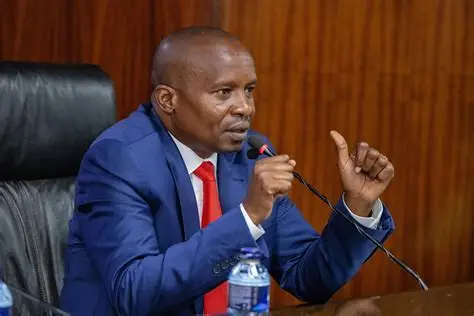
Kenyan Deputy President Kithure Kindiki said construction of the East Africa Refinery in Lamu will begin next Wednesday, 30 September 2026, with President William Ruto leading the ceremony. The announcement, from Kindiki’s briefing, said invited East African and other heads of state will attend the launch. Kindiki called the Dangote-backed plant a landmark project that would unlock Lamu and Coast economies, create more than 50,000 jobs and advance Kenya’s industrialisation. The facility is planned at about 700,000 barrels a day, among the largest single-train refineries in Africa, with crude expected from Kenya, Uganda, South Sudan and the DRC. Project cost estimates range from $15 billion to $17 billion, or roughly KSh 1.9 trillion to KSh 2.2 trillion, according to government and investor briefings this year. East African states have been offered a combined 30% equity stake. Kenya has indicated a 10% holding, while Rwanda and Ethiopia have shown interest. Kindiki said the refinery should ease foreign-exchange pressure from fuel imports and support Kenya’s expected start of commercial oil production later this year. The date follows talks on 21 September in New York, where Ruto met Aliko Dangote and Africa Finance Corporation chief Samaila Zubairu on financing and final preparations. Ruto said Kenya was ready to break ground on a project meant to deepen regional value addition, energy security and industrial supply chains. Lamu was chosen after earlier speculation about Tanzania or Mombasa, partly because of LAPSSET corridor links and the new Lamu Port. Local leaders have welcomed the investment but demanded priority for Lamu youth in jobs and contracts. Environmental groups warn of risks to marine habitats and nearby Lamu Old Town. Construction is expected to take several years if financing, land, pipelines and marine terminals stay on schedule. The government has already assigned Kindiki to coordinate state agencies with private investors.
Ruto pushes African AI ownership as Kenya courts middle-power partners in New York
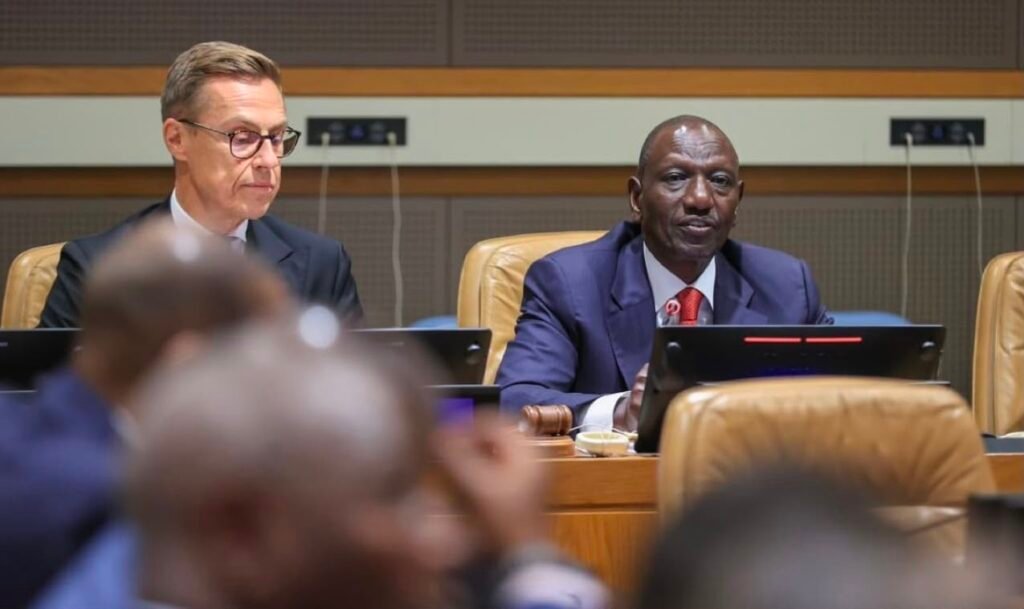
Kenyan President William Ruto said Africa must capture more of the value created by artificial intelligence or risk a new era of technological dependence. The remarks were posted Tuesday on his official X account after he co-chaired a High-Level AI Middle Powers Coalition meeting with Finland’s President Alexander Stubb at UNGA 81 in New York. “The AI era must expand the ability of nations to shape their own future, not create new forms of technological dependency,” Ruto wrote. He said no country can alone secure the infrastructure, skills, research and governance that advanced AI now requires. Kenya is pairing that diplomacy with a National Artificial Intelligence Strategy 2025–2030, publicly costed at about KSh 152 billion, or $1.17 billion. The plan targets digital infrastructure, data governance, research, innovation and commercialisation, including AI-ready data centres and 1,450 digital hubs. “For Africa, the priority is to capture more of the value created by AI through harnessing our energy, resources, data and talent,” Ruto said. At the New York meeting, themed “Shared Sovereignty in the AI Era,” he warned that political independence can hollow out if computing, models and standards sit elsewhere. “Political sovereignty without technological agency risks becoming sovereignty in law but dependency in practice,” he said on the sidelines of the assembly. He added: “Africa cannot provide the minerals, energy, data, content, and talent of the AI revolution, only to import the resulting intelligence at a premium.” The AI Middle Powers, or AIM, Initiative is framed as a voluntary pool of finance, computing, data and talent among countries that cannot control the full AI stack alone. Ruto said the first focus would be finance, trusted infrastructure and the capacity to build, evaluate and govern systems. The pitch lands as Kenya also joined Canada, Brazil and the European Union in a separate “Partners for Multilateralism” grouping covering climate, supply chains and AI. Power is the binding constraint. Peak demand hit a record 2,549 MW on 15 July 2026. Installed capacity was 3,868.6 MW at December 2025, with geothermal the largest slice at 943.7 MW. Kenyan Electricity Generator KenGen, with 1,786 MW installed, has pledged another 1,500 MW of green power over a decade as officials court data-centre load. That gap between ambition and electrons is already political. Critics asked who will own African data, clouds, patents and language models if foreign firms still control the stack. Ruto’s answer is coalition-building plus local strategy. Whether KSh 152 billion, scarce water and a tight grid can turn “mine to model” into operating capacity is the test after UNGA week ends.
Just Like South Africa, Kenya Cracks Down on Immigrant Businesses —And Regional Trade is Paying the Price

Clutching heavy brown envelopes and plastic bags piled high against the concrete walls of Denis Pritt Road, hundreds of Burundian nationals crowded outside their country’s embassy in Nairobi on Monday, desperate for emergency travel documents. Following President William Ruto’s sweeping executive directive ordering the immediate shutdown of small-scale businesses operated by foreign nationals, a wave of panic rippled through migrant communities. Echoing the harrowing scenes of displacement seen thousands of miles away in South Africa, the sudden crackdown has exposed deep structural fissures in East Africa’s integration project. Just like South Africa, Kenya’s latest policy pivot targets the most vulnerable layer of the informal economy: micro-traders, street vendors, and small shop owners. Kenya’s vast Micro, Small, and Medium-Sized Enterprise (MSME) sector accounts for over 80% of total employment and serves as the primary absorber of a rapidly growing urban workforce facing soaring living costs and persistent youth unemployment. When macroeconomic pressures mount, foreign migrant traders—including an estimated community of thousands of Burundians leveraging East African Community (EAC) protocols—become a convenient political lightning rod. President Ruto’s decree, which fast-tracks the restrictive Local Content Bill through Parliament, insists that low-capital retail and hawking must be exclusively reserved for Kenyan citizens. The economic data underpinning this political calculus reveals a familiar narrative of scarcity. In South Africa, the systemic targeting of foreign-owned “spaza” shops is routinely justified as a defense of indigenous livelihoods amid sluggish GDP growth and a stubbornly high unemployment rate hovering above 30%. Similarly, Kenya’s fiscal tightening, heavy sovereign debt servicing obligations, and biting tax reforms have shrunk domestic consumer purchasing power. By framing foreign micro-traders as structural competitors rather than regional partners, Nairobi risks undermining the very framework of the Common Market Protocol that underpins the EAC. While senior Kenyan diplomats have scrambled to clarify that fully documented major investors and compliant migrant workers remain legally protected, the chilling effect on regional trade is already tangible. Ambassador Evelyne Habonimana’s urgent appeal to EAC chairperson Yoweri Museveni for an emergency regional summit underscores how quickly localized populist protectionism can metastasize into diplomatic friction. “The Embassy of Burundi in Kenya is with much concerns on how Burundians are being mistreated, harassed and thrown out like chickens. We call upon the chairperson of East African Heads of State, H.E. @KagutaMuseveni, to immediately call for a summit to tame @WilliamsRuto,” the notice, signed by Ambassador Habonimana, read. When national economic policies fail to generate immediate domestic relief, governments across the continent increasingly reach for the same restrictive playbook, proving that economic nationalism spares no region—and that regional integration remains dangerously fragile when put to the test.
Kenya Ousts Tata Chemicals in High-Stakes Resource Clash
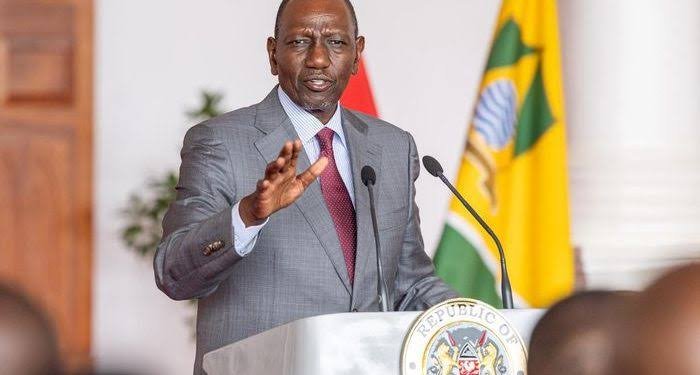
Kenyan President William Ruto has ordered India’s Tata Chemicals to immediately halt operations at Lake Magadi, escalating a high-stakes resource dispute over local industrialization and raw material exports. The drastic directive follows a century of extraction by the multinational, with Nairobi demanding downstream manufacturing facilities rather than simple raw mineral exports. “Come what may, because they have been unable to do what is required, I have told them to pack and go,” President Ruto declared during a regional rally. The facility produces over 350,000 tons of natural soda ash annually. However, tensions peaked after Kenya’s mining ministry suspended the plant on July 28 over alleged regulatory non-compliance. Although Tata Chemicals submitted comprehensive compliance documentation on August 11, President Ruto rejected the effort, arguing the firm failed to construct local glass or chemical processing factories. The sudden shutdown threatens roughly 500 direct jobs, regional suppliers, and community development projects. Meanwhile, parent company shares have fallen 15% globally amid broader financial pressures this year. The Kenyan government plans to license new investors committed to domestic value addition, signaling an aggressive stance on foreign resource concessions across the East African manufacturing sector.
Kenya’s Private Sector Activity Contracts as Rising Costs and Supply Bottlenecks Bite
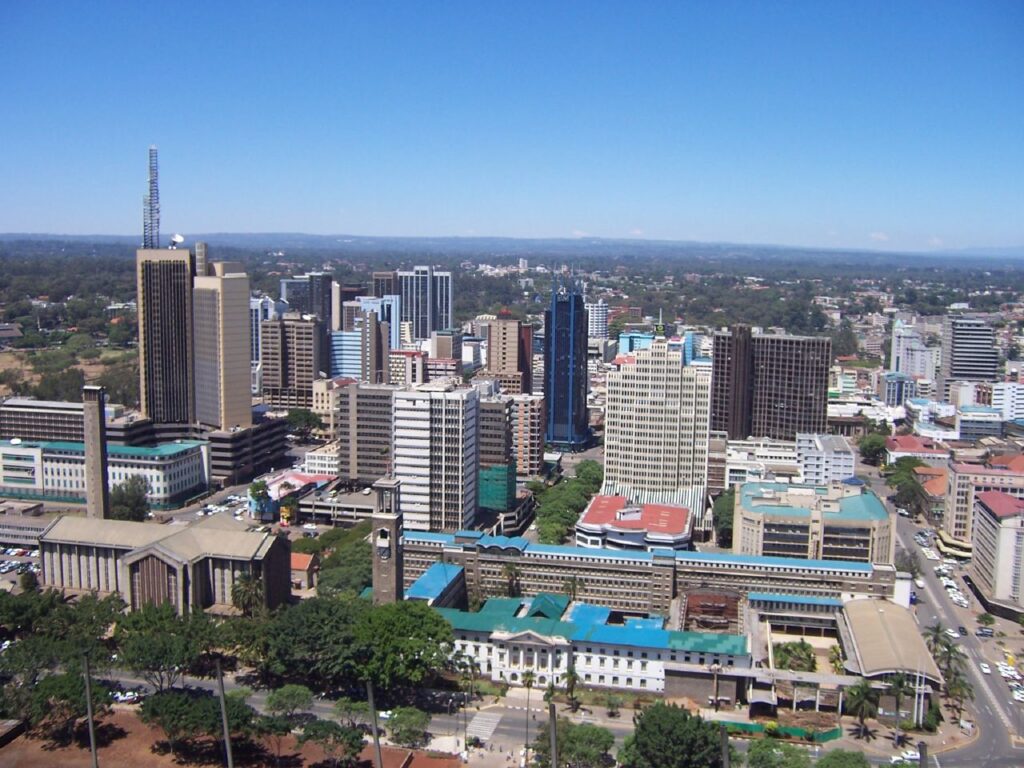
Business activity in Kenya’s private sector contracted in August for the first time in three months, as acute supply bottlenecks and mounting cost pressures forced firms to curb output and purchasing. The Stanbic Bank Kenya Purchasing Managers’ Index fell to 49.7 in August from 51.3 in July, crossing below the 50.0 neutral mark that separates monthly economic expansion from contraction, survey data showed on Thursday. While customer demand showed modest resilience with new order volumes growing for a third consecutive month, companies struggled to translate sales into production due to severe cash flow constraints and input shortages. Rising fuel and raw material bills pushed input costs higher during the month. However, intense market competition limited the ability of businesses to pass increased costs onto consumers, squeezing corporate profit margins. The downturn aligns with broader macroeconomic headwinds. Kenya’s headline inflation edged up to 6.6% in August from 6.5% in July, driven by increased food and energy costs, according to official statistics agency data. To tame persistent inflationary pressures and stabilize the Kenyan shilling, the Central Bank of Kenya has maintained a cautious monetary policy stance, keeping borrowing costs elevated and further weighing on private investment. Despite the August retreat, the National Treasury maintains a medium-term growth forecast of 5.0%, relying on expected agricultural recovery and public infrastructure execution to offset near-term private sector weakness.
Kenya Aviation Workers Call Off Strike Following Widespread Flight Disruptions
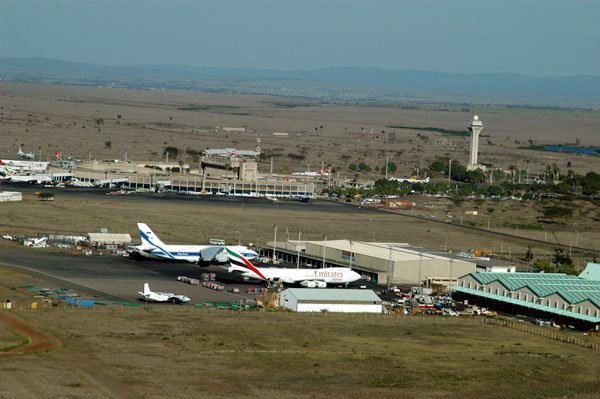
Kenya’s aviation workers called off a two-day strike on Tuesday that grounded flights and caused severe disruptions across major airports, including Nairobi’s Jomo Kenyatta International Airport. According to statements by Transport Minister Davis Chirchir and union leader Moss Ndiema, the Kenya Aviation Workers Union agreed to suspend industrial action and instruct air traffic controllers to resume duties immediately. The walkout, initiated over Sunday and Monday, caused widespread cancellations and delays exceeding 12 hours, stranding thousands of travellers across East Africa and interrupting key regional flight schedules. The dispute stems from unresolved labor grievances, including non-implementation of backdated collective bargaining agreements dating back to 2015, alongside conflicts regarding union recognition at regional carriers like Jambojet. Under the terms brokered during government-led talks, aviation authorities and union officials established structured guidelines to address pending collective bargaining agreements without subjecting returning workers to disciplinary victimization. The walkout followed the collapse of a July framework agreement that had temporarily suspended a previous strike notice across the Kenya Civil Aviation Authority, Kenya Airports Authority, and national carriers. The rapid resolution averts prolonged economic fallout for East Africa’s primary transport hub, though persistent labor friction underscores lingering operational vulnerabilities within Kenya’s aviation sector.
Kenya Airport Strike Enters Second Day as Flight Delays Mount
A nationwide go-slow strike by Kenyan aviation workers entered its second day on Monday, causing severe flight delays and leaving thousands of international and domestic passengers stranded at Jomo Kenyatta International Airport. According to statements from union officials and local aviation reports, national carrier Kenya Airways warned passengers of departure delays exceeding six hours as ground handling and air traffic control operations slowed dramatically. Regional carriers including Jambojet and RwandAir reported cancellations and schedule adjustments, while hundreds of frustrated travelers spent the night inside terminals awaiting updates on rescheduled flights across major hub connections. The Kenya Aviation Workers Union initiated the industrial action over stalled negotiations regarding collective bargaining agreements, remuneration disputes, and job security concerns with the Kenya Civil Aviation Authority and airport management. The disruption marks a renewed escalation in Kenya’s troubled aviation sector, following months of friction over proposed airport public-private partnerships, persistent labor grievances, and previous government interventions that failed to yield permanent solutions. Union officials met with government representatives on Sunday but failed to reach an agreement, leaving the strike active while airport authorities advised all passengers to confirm flight status before traveling.
Global Oil Holds Steady Near $79 as Demand Signals Counter Supply Shifts

Global oil benchmark prices held steady in the $70-a-barrel range on Thursday, as market participants balanced lingering demand concerns against diplomatic developments around key Middle Eastern shipping routes. Brent crude futures fell 0.18 percent, dropping 14 cents to settle at $79.31 per barrel. U.S. West Texas Intermediate futures slipped 0.35 percent, shedding 26 cents to trade at $74.96 per barrel. The decline maintained the Brent-WTI price spread at $4.35 per barrel. Traders remained cautious ahead of upcoming official U.S. energy inventory reports and global central bank policy updates. Crude futures extended recent losses as progress on negotiations to restore traffic through the Strait of Hormuz eased geopolitical risk premiums. Additionally, demand pullbacks in major Asian economies continue to weigh on market sentiment. OPEC+ production targets and macroeconomic interest rate expectations remain central to the price trajectory. Analysts note expanding supply outside conflict zones is helping balance seasonal demand draws, keeping prices tightly bound.
Kenya’s July Inflation Edges Up to 6.5% on Fuel and Transport Costs
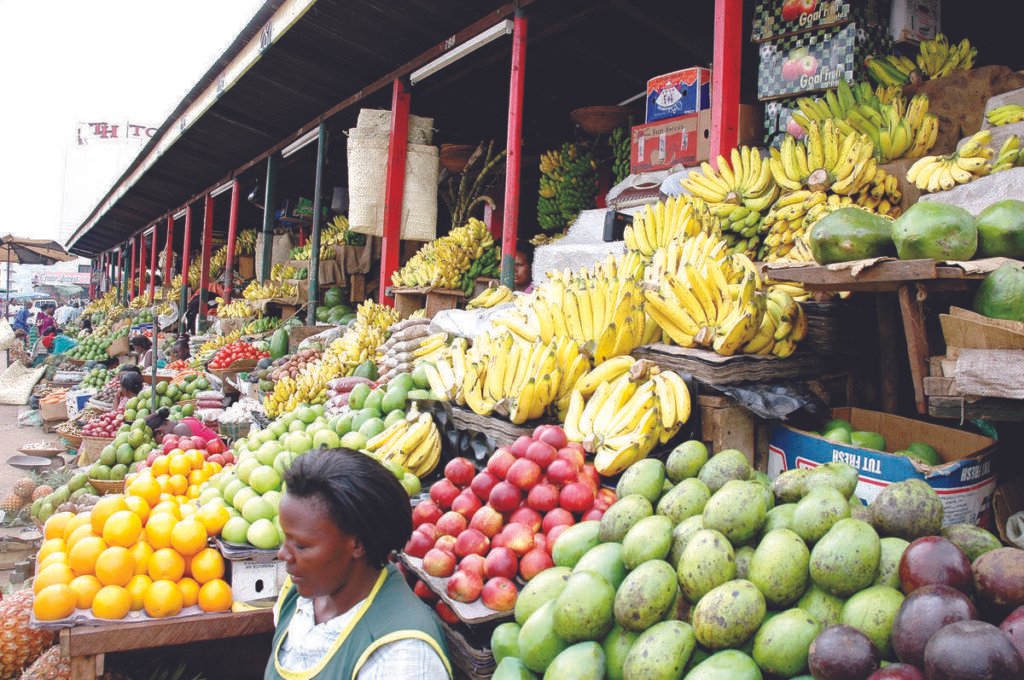
Kenya’s annual headline inflation rate climbed slightly to 6.5% in July from 6.4% in June, as energy, transport, and food costs continued to fuel price pressures across the country. Data released Friday by the Kenya National Bureau of Statistics (KNBS) showed consumer prices exceeded the Central Bank of Kenya’s 5.0% target midpoint for the third consecutive month. Transport prices remained the primary inflation driver, rising 15.6% year-on-year due to lagged effects from earlier fuel price adjustments, while food and non-alcoholic beverage prices climbed 9.0%. The housing, water, electricity, gas, and other fuels category also rose 3.4% over the twelve-month period, reflecting elevated utility charges and sustained energy cost pressures on household budgets. Core inflation, which excludes volatile food and energy items, edged upward to 3.2% from 3.1% in June, indicating broader price increases across non-volatile consumer categories. July’s figures leave headline inflation comfortably within the central bank’s broader target band of 2.5% to 7.5%, though remaining consistently above the preferred 5.0% midpoint. The acceleration follows a brief moderation in June and comes after the Central Bank of Kenya kept its benchmark lending rate unchanged at 8.75% for a second consecutive policy meeting. Policymakers maintain a cautious stance to balance economic growth with price stability, as the Monetary Policy Committee prepares to review interest rates again in August amid global fuel market volatility.